
 英语
英语 俄语
俄语Content
The global CBD market is projected to reach $20.34 billion in 2026, growing at a CAGR of 31.7% — and the extraction machine you choose will determine whether your operation captures that growth or gets left behind. Most buyers focus on price. The ones who scale focus on process fit.
How a CBD Extraction Machine Actually Works
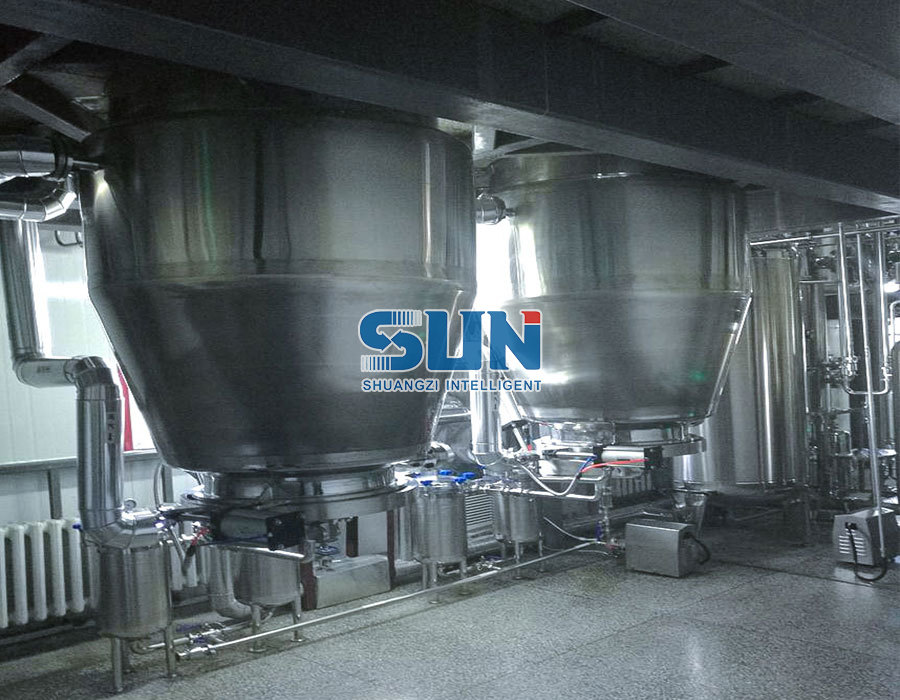
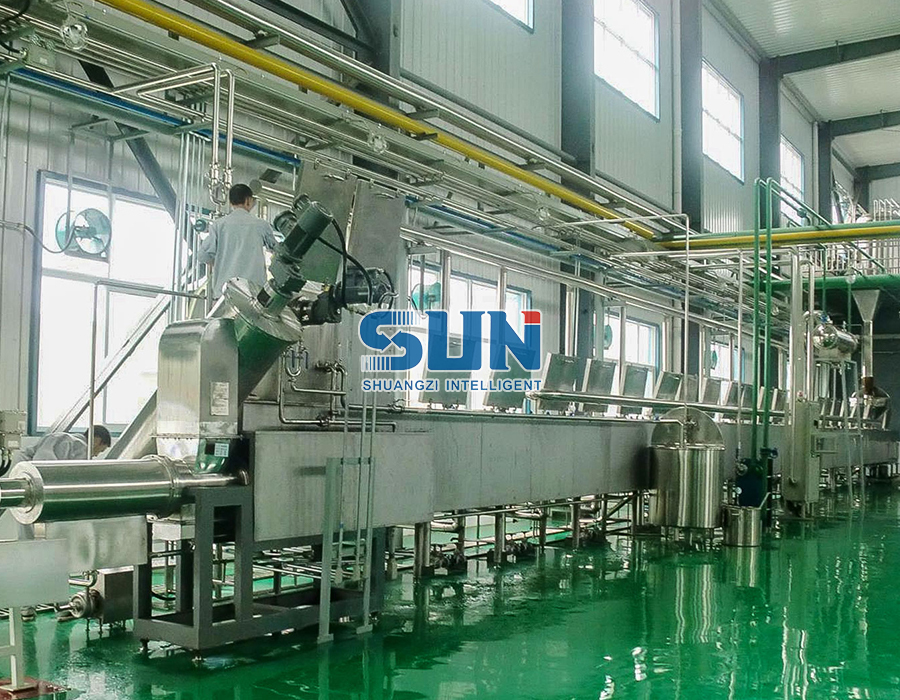
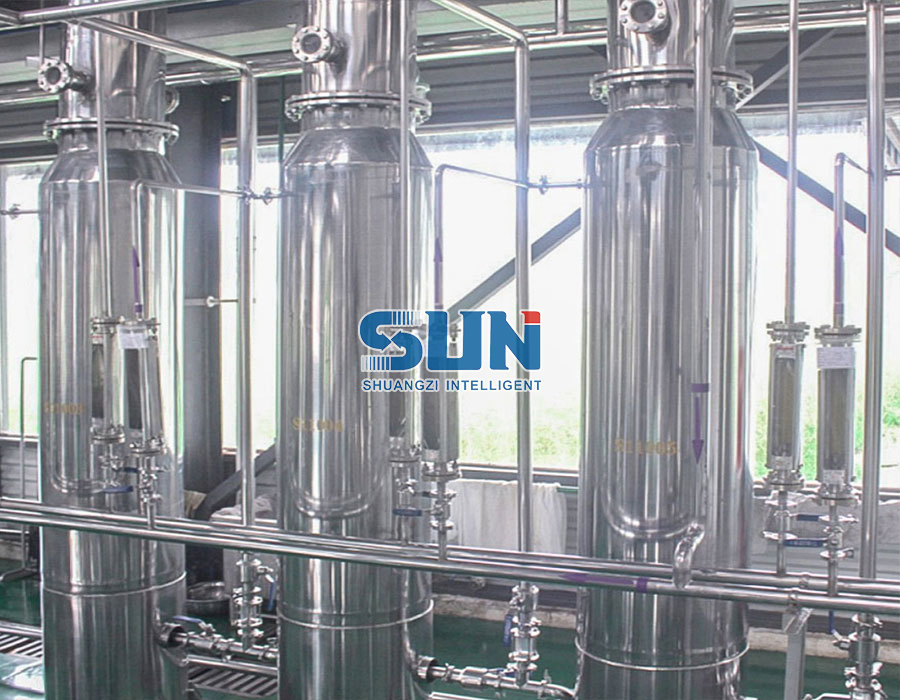
A CBD extraction machine separates cannabidiol from hemp biomass through solvent-based or mechanical separation. The most common industrial approach is ethanol-based countercurrent extraction: dried hemp biomass flows in one direction while ethanol solvent flows in the opposite direction, creating continuous contact that maximizes yield with minimal solvent volume.
The full production workflow looks like this:
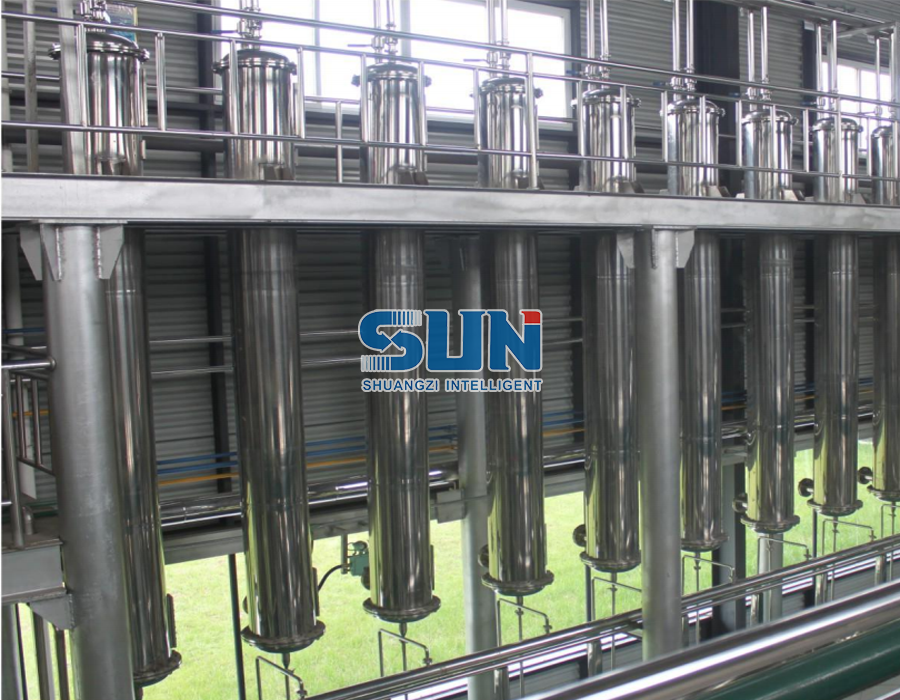
- Dried hemp biomass enters a CBD oil countercurrent extraction machine for continuous liquid-liquid separation
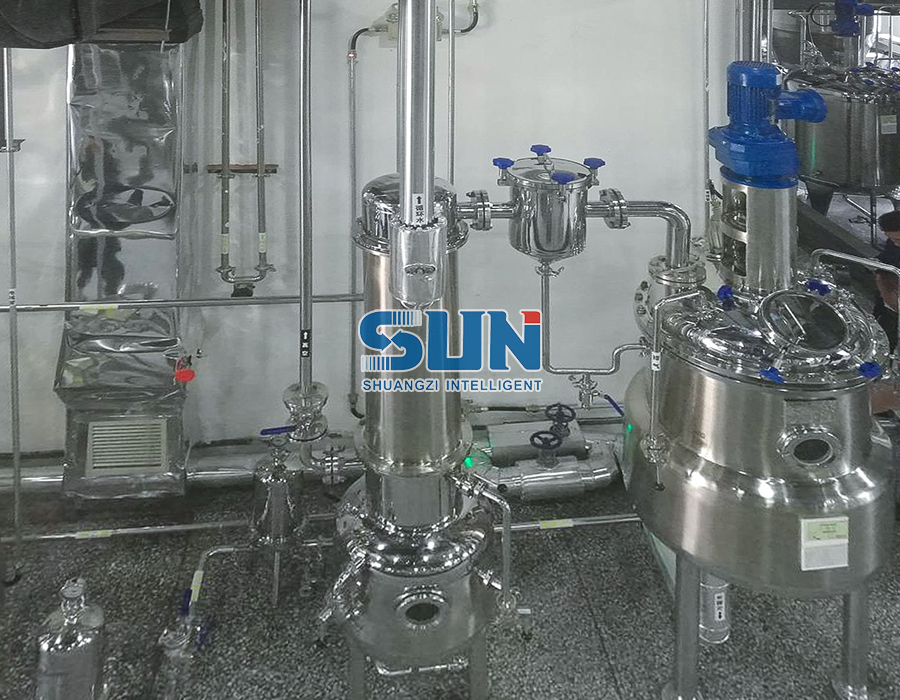
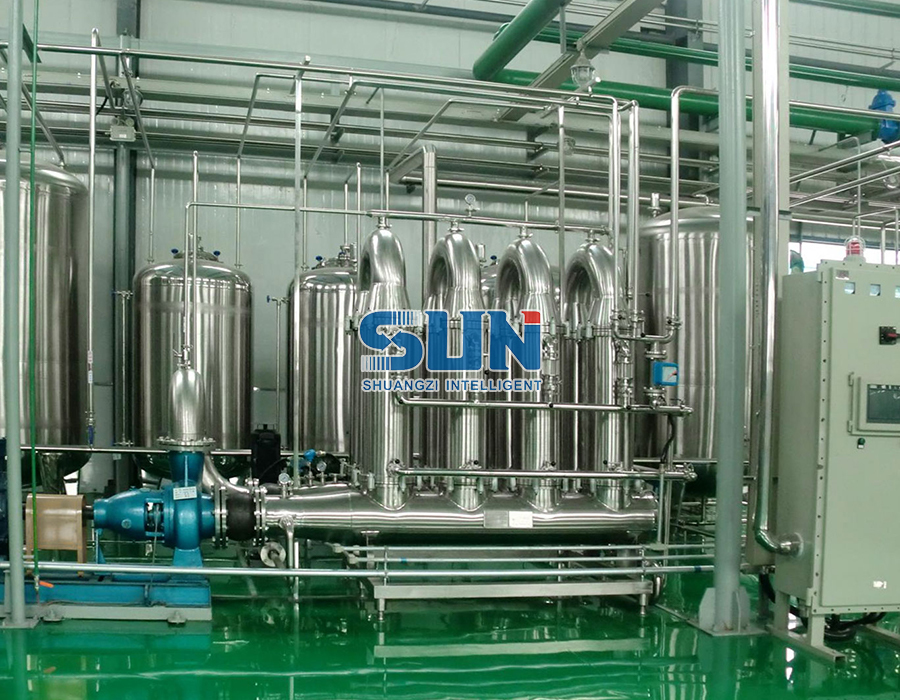
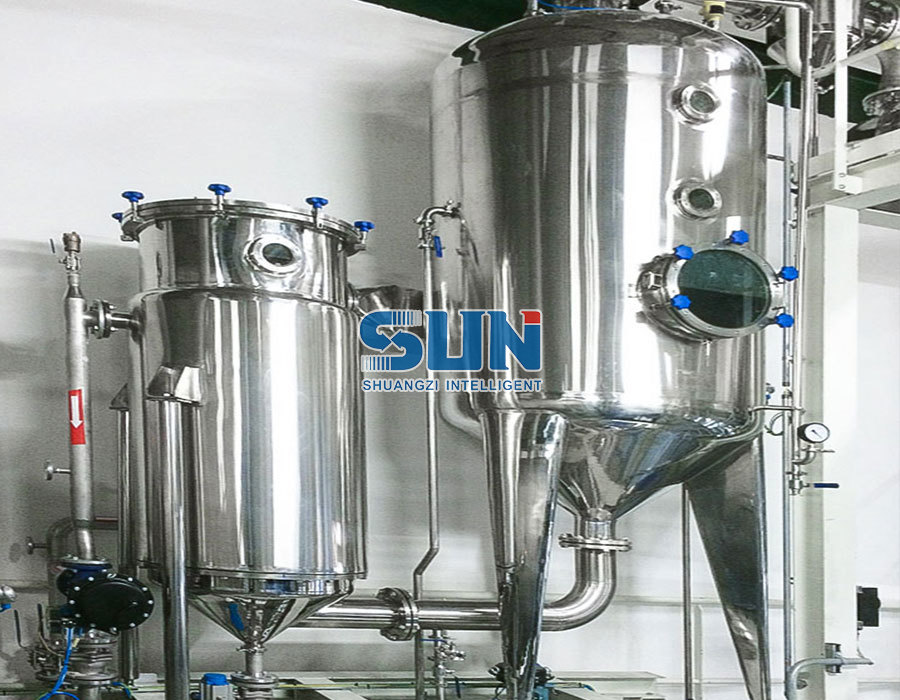
- Crude extract passes through a falling film evaporator for solvent recovery
- Winterization removes wax and lipids at low temperature
- Decarboxylation activates cannabinoids
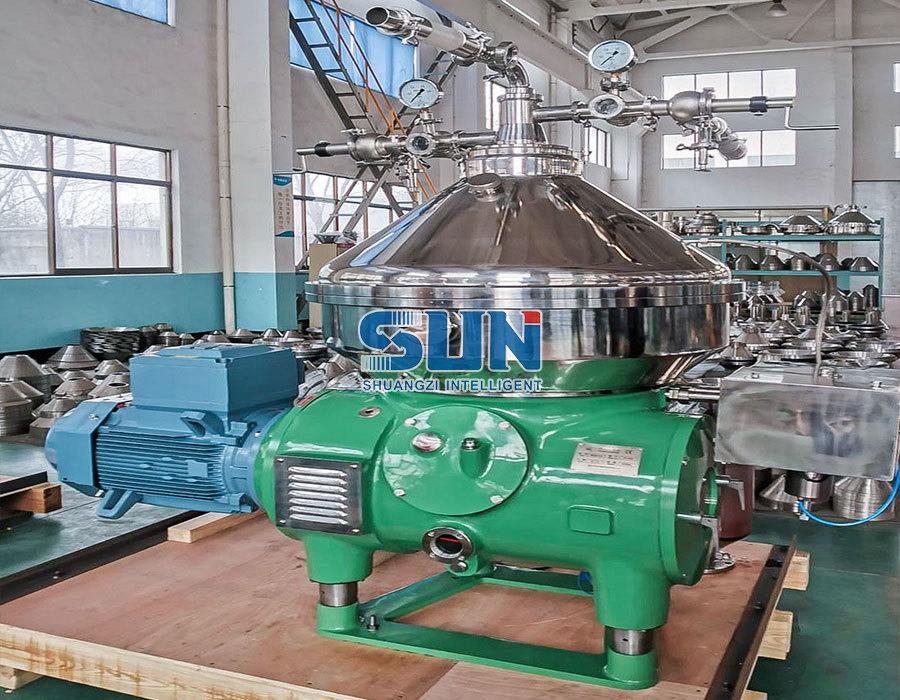
- Short-path distillation refines the oil to broad-spectrum or isolate grade
- Chromatography columns strip unwanted compounds for final purity
Each stage is interdependent. An extraction machine that handles 1,000 L/h paired with an undersized evaporator creates a bottleneck that cuts effective output by 40% or more.
Three Extraction Methods Compared
| Method | Yield | Purity | Throughput | Best For |
|---|---|---|---|---|
| Ethanol Countercurrent | High | Good | 600–2000 L/h | Large-scale production lines |
| Supercritical CO₂ | Medium | Very High | Low | Premium isolate / specialty products |
| Hydrocarbon | High | Good | Medium | Full-spectrum oils, terpene preservation |
For industrial-scale hemp processing, ethanol-based countercurrent systems dominate because they balance throughput, solvent recovery efficiency, and capital cost. CO₂ systems deliver cleaner output but at significantly higher equipment cost and lower hourly capacity — practical for labs or premium product lines, less so for commodity CBD production.
What to Evaluate Before Buying
1. Daily biomass volume. Work backward from your target output. If you process 1 ton of dried hemp biomass per day with a typical CBD content of 8–12%, you need an extraction system capable of handling that load continuously — not in batch runs that interrupt your downstream concentration and drying stages. Industrial countercurrent extractors are rated by liquid throughput (L/h), with configurations ranging from 600 L/h to 2,000 L/h.
2. Solvent recovery integration. Ethanol is your largest recurring operating cost. A falling film evaporator for solvent recovery should be sized to match your extractor output. Mismatched sizing forces operators to batch-process recovered solvent, which slows the line and drives up energy cost per kilogram of extract.
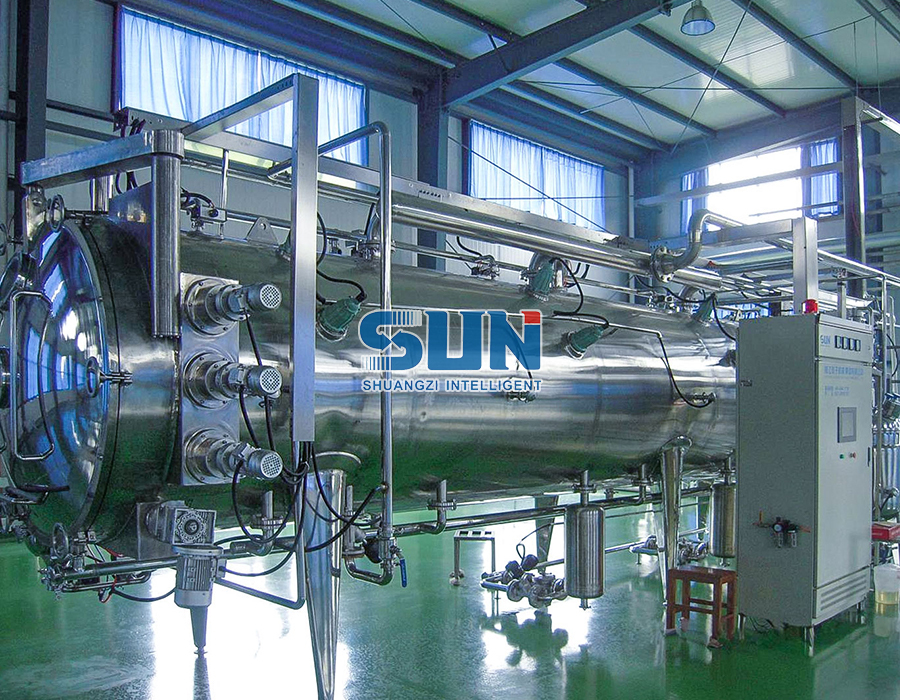
3. Final product form. Are you producing crude oil, broad-spectrum oil, or CBD isolate powder? Each requires different downstream equipment. Isolate production adds a chromatography column purification step and a drying stage — either spray drying or vacuum belt drying. Build your equipment list around the end product, not just the extraction front end.
4. Material certifications. Any equipment contacting hemp extract should be built from SUS304 or SUS316L stainless steel. Verify that the supplier holds ASME, CE, and ISO 9001 certifications — these aren't just compliance checkboxes; they indicate manufacturing precision that directly affects seal integrity and contamination risk over years of operation.
The Turnkey vs. Component-by-Component Decision
Sourcing individual machines from multiple suppliers looks cheaper on paper. In practice, integration gaps between a countercurrent extractor from one vendor and evaporators from another create weeks of commissioning delays and ongoing compatibility issues. A complete CBD production line from a single supplier — covering extraction through drying — eliminates interface risk and gives you a single point of accountability for system performance.
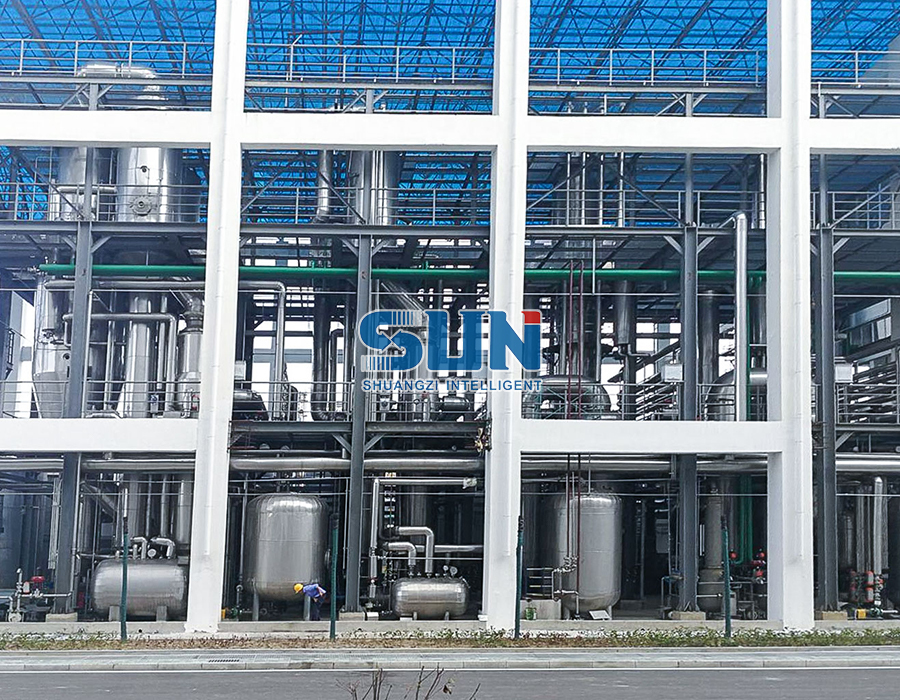
The calculation changes if you already operate a partial line. In that case, identifying the throughput bottleneck and sourcing targeted equipment to relieve it is the faster path to higher output. A completed CBD extraction project reference from your equipment supplier — showing a real production line at scale — is the most reliable indicator that their system will perform as specified.
Two Questions That Reveal a Supplier's Real Capability
First: can they show you a reference installation with documented throughput numbers? Any serious manufacturer of industrial CBD extraction machines can point to operating lines — in the US, Europe, or Asia — and provide verifiable capacity data. Second: do they provide EPC (engineering, procurement, construction) support, or do they ship equipment and leave commissioning to you? The answer tells you whether you're buying a machine or buying a production capability.
The CBD industry is moving fast. Separation and purification equipment that was adequate for a 500 kg/day operation two years ago may already be the bottleneck in a market demanding isolate-grade product at twice the volume. Choosing equipment with room to scale — both in throughput capacity and in process flexibility — is the decision that compounds over time.