
 英语
英语 俄语
俄语Content
- 1 What a Countercurrent Extraction Machine Does for CBD Oil
- 2 How the Countercurrent Process Works Step by Step
- 3 Countercurrent vs. Other CBD Extraction Methods
- 4 Key Machine Configurations in Commercial Use
- 5 Solvent Selection and Its Impact on Extract Quality
- 6 Critical Specifications to Evaluate Before Purchasing
- 7 Downstream Integration: What Comes After Extraction
- 8 Regulatory and Compliance Considerations
What a Countercurrent Extraction Machine Does for CBD Oil
A CBD oil countercurrent extraction machine separates cannabidiol from hemp biomass by flowing solvent and plant material in opposite directions — a design that consistently delivers higher extraction yields and cleaner extracts than single-pass systems. In countercurrent operation, fresh solvent always contacts the most concentrated plant material last, maximizing the concentration gradient across every stage. The result is a more complete transfer of CBD into the solvent with less total solvent consumed.
Industrial hemp processors running continuous countercurrent extractors routinely report extraction efficiencies above 95%, compared to 75–85% typical of batch ethanol or CO₂ systems working on the same feedstock. For operations processing several tonnes of biomass per day, that gap translates directly into recovered revenue per kilogram of raw material.
How the Countercurrent Process Works Step by Step
The core mechanism relies on a sustained concentration gradient maintained across multiple extraction stages:
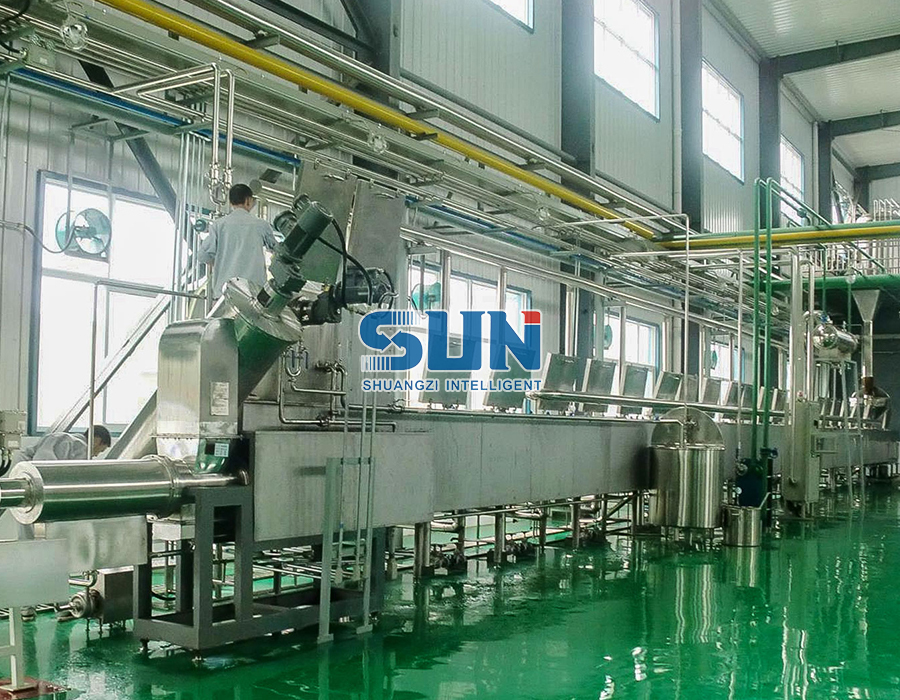
- Feed inlet: Milled hemp biomass (typically 2–5 mm particle size) enters one end of the extractor — a screw conveyor, rotating drum, or staged column depending on machine design.
- Solvent inlet: Fresh solvent (ethanol, hydrocarbon, or food-grade alcohol) enters from the opposite end, flowing counter to the biomass movement.
- Continuous contact: At each successive stage, partially depleted biomass meets progressively fresher solvent. The gradient is never allowed to collapse, so mass transfer continues efficiently throughout.
- Miscella discharge: The CBD-rich solvent solution (miscella) exits at the biomass inlet end, concentrated and ready for evaporation and winterization.
- Spent biomass discharge: Exhausted plant material exits at the solvent inlet end, typically containing less than 0.5% residual cannabinoids.
Continuous operation means no downtime between batches — a critical advantage for large-scale processors whose throughput targets cannot accommodate multi-hour batch cycles.
Countercurrent vs. Other CBD Extraction Methods
Selecting the right extraction platform depends on throughput targets, solvent preference, capital budget, and target extract purity. The table below compares the four most common industrial approaches:
| Method | Typical Yield Efficiency | Throughput Mode | Solvent Consumption | Best Fit |
|---|---|---|---|---|
| Countercurrent Extraction | 93–98% | Continuous | Low (recirculated) | High-volume industrial |
| Batch Ethanol | 75–88% | Batch | Moderate–High | Mid-scale processors |
| Supercritical CO₂ | 80–92% | Batch / Semi-continuous | None (no solvent) | Premium isolate, small batch |
| Hydrocarbon (Butane/Propane) | 85–93% | Batch / Closed loop | Low (recovered) | Full-spectrum concentrates |
Countercurrent systems lead on yield efficiency and solvent economy at scale. Their main trade-off is a higher upfront capital cost and greater mechanical complexity compared to a simple batch ethanol setup.
Key Machine Configurations in Commercial Use
Not all countercurrent extractors share the same mechanical architecture. The three dominant designs each suit different feedstock characteristics and facility layouts:
Screw-Conveyor (Auger) Extractors
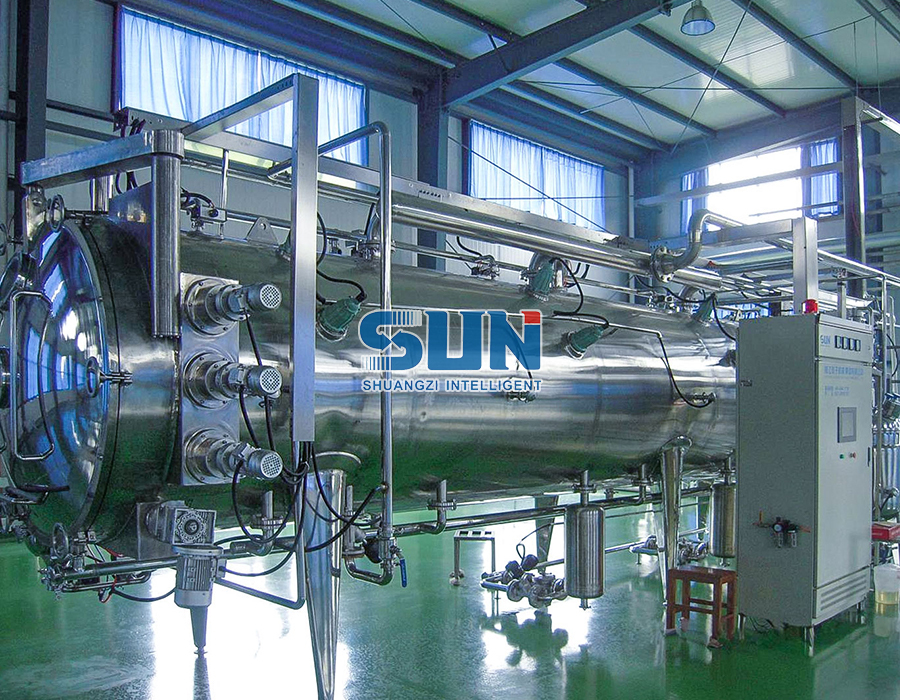
A rotating screw moves biomass horizontally or at a slight incline through a sealed tube flooded with solvent flowing in the opposite direction. Screw extractors handle wet or sticky material well and are compact relative to their throughput. Typical capacities range from 500 kg to 5,000 kg of dry biomass per hour in industrial units.
Rotary Drum Extractors
Biomass tumbles inside a perforated rotating drum while solvent sprays or flows through in the opposite direction. Drum extractors are gentler on fragile flower material and allow straightforward inspection and cleaning — an advantage in GMP-regulated CBD production. They are the preferred choice when preserving terpene profiles matters alongside cannabinoid yield.
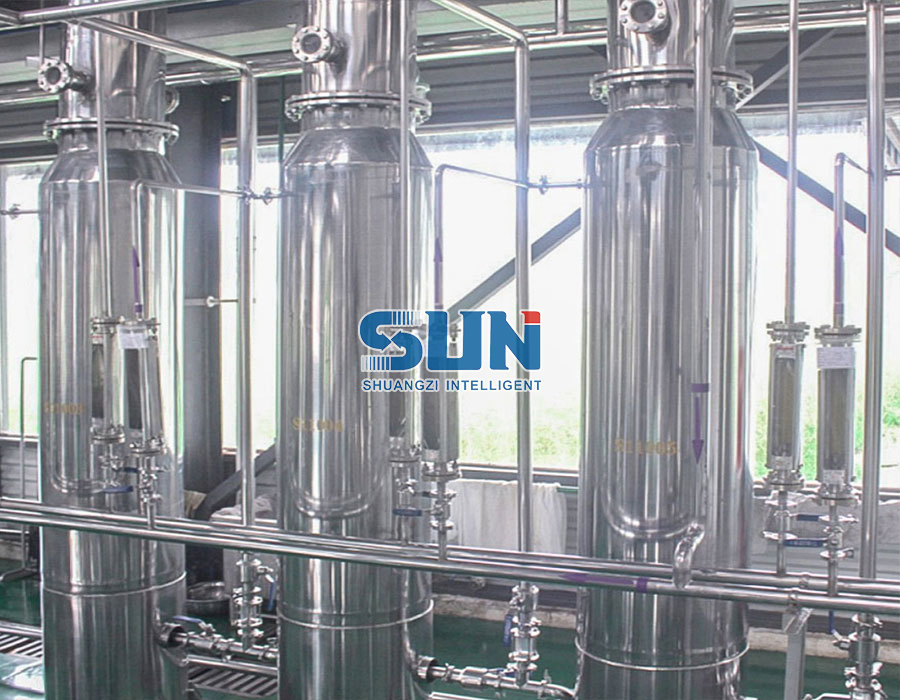
Multi-Stage Column Extractors
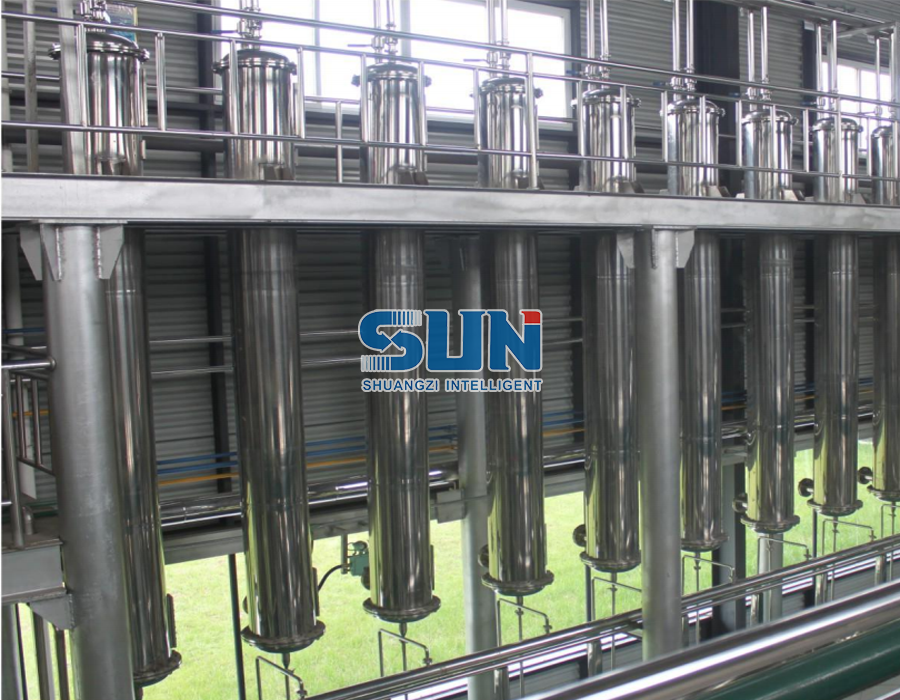
Multiple discrete extraction vessels are arranged in series. Biomass advances from column to column while solvent flows in reverse order through the series. This staged approach gives precise independent control over temperature and residence time at each stage, enabling processors to fine-tune selectivity — extracting CBD while limiting co-extraction of waxes and chlorophylls that complicate downstream refinement.
Solvent Selection and Its Impact on Extract Quality
Ethanol is the most widely used solvent in countercurrent CBD extraction for three practical reasons: it is GRAS (Generally Recognized As Safe) by the FDA, it dissolves CBD efficiently across a wide temperature range, and it is straightforward to recover and recycle through evaporation. Cold ethanol extraction (at −20°C to −40°C) selectively reduces co-extraction of fats and waxes, cutting winterization time and costs.
Hydrocarbon solvents — primarily food-grade butane and propane blends — produce extracts with an exceptionally rich terpene and minor cannabinoid profile. Their lower boiling points make solvent removal easier and faster, though flammability classification requires a C1D1/C1D2 hazardous location facility, adding to construction costs.
Some countercurrent machines are now engineered to operate with food-grade hexane or heptane as primary solvents when the target output is CBD isolate. These non-polar solvents strip cannabinoids with very high selectivity, yielding a miscella that requires fewer downstream purification steps before crystallization.
Critical Specifications to Evaluate Before Purchasing
Choosing the right CBD oil countercurrent extraction machine requires matching equipment specifications to your processing reality, not just your headline capacity target. Prioritize evaluation of the following:
- Biomass throughput rate (kg/hr): Verify this figure is for dry weight at your target moisture content — wet biomass numbers can be misleading.
- Solvent-to-biomass ratio: Lower ratios indicate better solvent economy. Best-in-class systems operate at ratios of 2:1 to 4:1 (solvent:biomass by weight).
- Number of extraction stages: More stages generally increase yield but add mechanical complexity. Three to six stages cover the majority of commercial hemp applications.
- Residual cannabinoid in spent biomass: Request third-party validated data; a figure below 0.5% residual CBD in the spent marc is a meaningful benchmark.
- Material of construction: 316L stainless steel contact surfaces are the standard for food and pharmaceutical compliance; verify seal and gasket materials are solvent-compatible.
- CIP (clean-in-place) capability: Automated cleaning cycles reduce labor costs and cross-contamination risk, especially when running multiple cultivars.
- ATEX / explosion-proof rating: Mandatory when operating with flammable solvents; confirm the full enclosure — not just the motor — is certified.
Downstream Integration: What Comes After Extraction
A countercurrent extractor is the front end of a processing train. Its economic contribution depends heavily on how well it integrates with downstream equipment:
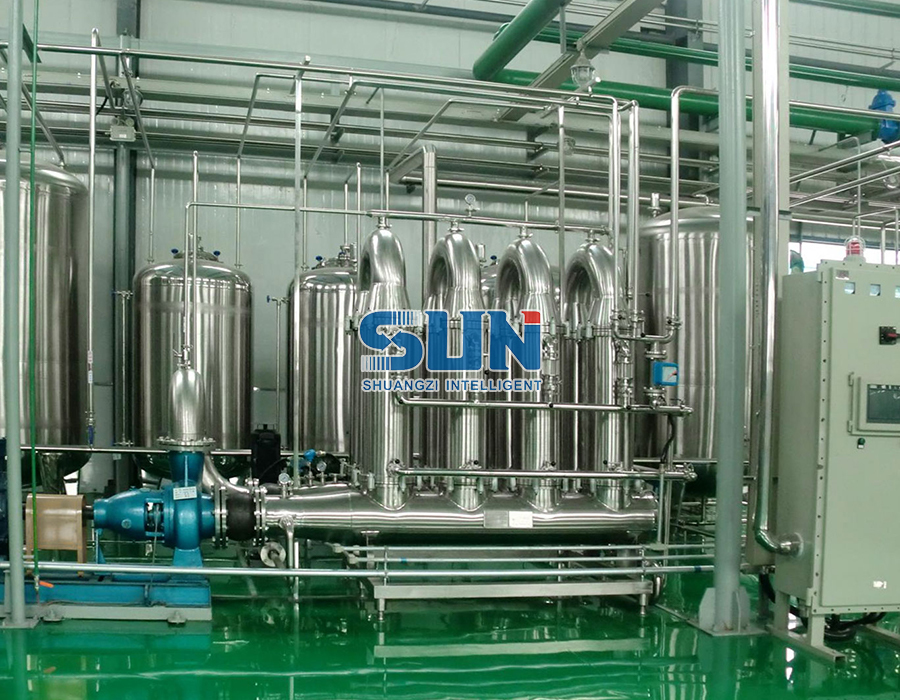
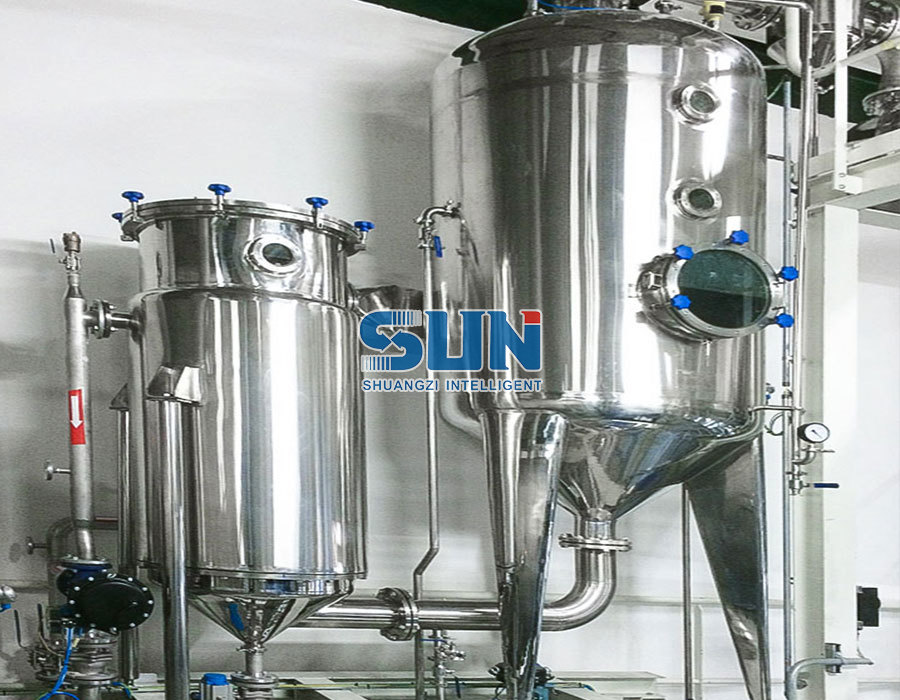
- Solvent recovery evaporators: Falling-film evaporators are the standard pairing; they handle large miscella volumes with low thermal damage to cannabinoids.
- Winterization tanks: Chilled agitated vessels precipitate waxes and lipids. Cold-ethanol countercurrent extraction can reduce winterization load by up to 40% versus room-temperature batch extraction.
- Decarboxylation reactors: Convert CBDa to CBD with controlled heat before or after distillation depending on target product spec.
- Short-path or wiped-film distillation: Upgrades crude extract to broad-spectrum distillate at 80–90% cannabinoid potency.
- Crystallization vessels: For CBD isolate, distillate undergoes controlled crystallization to reach 99%+ purity — the final step in a fully integrated processing line.
Operators who design the full train around the capacity and output quality of their countercurrent extractor consistently achieve lower cost-per-kilogram of finished extract than those who source each piece of equipment independently without accounting for flow rate matching and solvent compatibility.
Regulatory and Compliance Considerations
CBD processors operating in regulated markets must ensure their extraction equipment meets applicable standards before commissioning:
- GMP compliance: The EU's EC 1223/2009 cosmetics regulation and evolving FDA guidance increasingly expect CBD extract manufacturers to operate under GMP frameworks. Equipment documentation — including FAT (factory acceptance testing) records, material certificates, and cleaning validation data — is routinely required during audits.
- Solvent residue limits: ICH Q3C guidelines classify ethanol as a Class 3 solvent (low risk); residual solvent in finished extract must typically be demonstrated below 5,000 ppm for ingestible products.
- THC content control: Process parameters — particularly extraction temperature and stage residence time — influence co-extraction of THC alongside CBD. Machines with programmable multi-stage temperature control give processors the ability to dial in selective cannabinoid extraction profiles that keep distillate within the 0.3% THC federal threshold in the US or 0.2% in the EU.