
 英语
英语 俄语
俄语Content
- 1 The Extraction Bottleneck: Why Your Next Machine Matters
- 2 Supercritical CO₂ vs. Ethanol: The Extraction Method Decision
- 3 Machine Specifications That Define Production Reliability
- 4 Common Procurement Mistakes That Undermine ROI
- 5 Turnkey vs. Modular: Matching Capacity to Your Growth Trajectory
- 6 How Engineered Systems Address U.S. Compliance and Safety
- 7 Scaling from Pilot to Production Without Re-Engineering
The Extraction Bottleneck: Why Your Next Machine Matters
A mid-sized hemp processor recently discovered that a 10% variance in extraction temperature cost them $120,000 in lost terpenes over a single quarter. The equipment wasn't broken; it simply wasn't engineered to hold tight parameters at commercial throughput. This scenario repeats across the industry because the gap between pilot-scale optimism and production-grade reality is wider than most operators expect.
When you select a CBD oil extraction machine, you are deciding your facility’s ceiling for yield, purity, and regulatory compliance for the next five to ten years. The right system turns biomass into consistent, high-margin oil; the wrong one creates operational bottlenecks, solvent waste, and failed audits. This article focuses on the two dominant industrial technologies—supercritical CO₂ and ethanol extraction—and the machine characteristics that separate dependable production from constant troubleshooting.
Supercritical CO₂ vs. Ethanol: The Extraction Method Decision
Every extraction decision begins with a binary choice that shapes downstream economics. The conclusion is straightforward: if your product specification requires a full-spectrum, winterized oil with no post-processing solvent risk, supercritical CO₂ delivers the cleanest profile. If your priority is maximum crude throughput per dollar of capital equipment and you already operate a sophisticated distillation and winterization line, ethanol holds the edge.
Neither technology is universally superior. The machine’s engineering and automation level determine whether a CO₂ system keeps cycle times short enough for high-volume production or whether an ethanol system avoids chlorophyll pickup that degrades oil color and taste. A poorly configured ethanol machine can produce oil that costs more to remediate than the savings it was supposed to create.
| Parameter | Supercritical CO₂ Machine | Ethanol Extraction Machine |
|---|---|---|
| Throughput (kg biomass/h) | 30–200+ depending on vessel count | 100–1,000+ in continuous systems |
| Capital cost per kg capacity | Higher upfront; lower solvent cost | Lower upfront; solvent recovery cost adds up |
| Oil purity (post-primary) | 60–85% cannabinoids, minimal lipids | 40–70% cannabinoids, requires winterization |
| Residual solvent risk | None (CO₂ off-gasses completely) | Must be validated below 5,000 ppm ethanol |
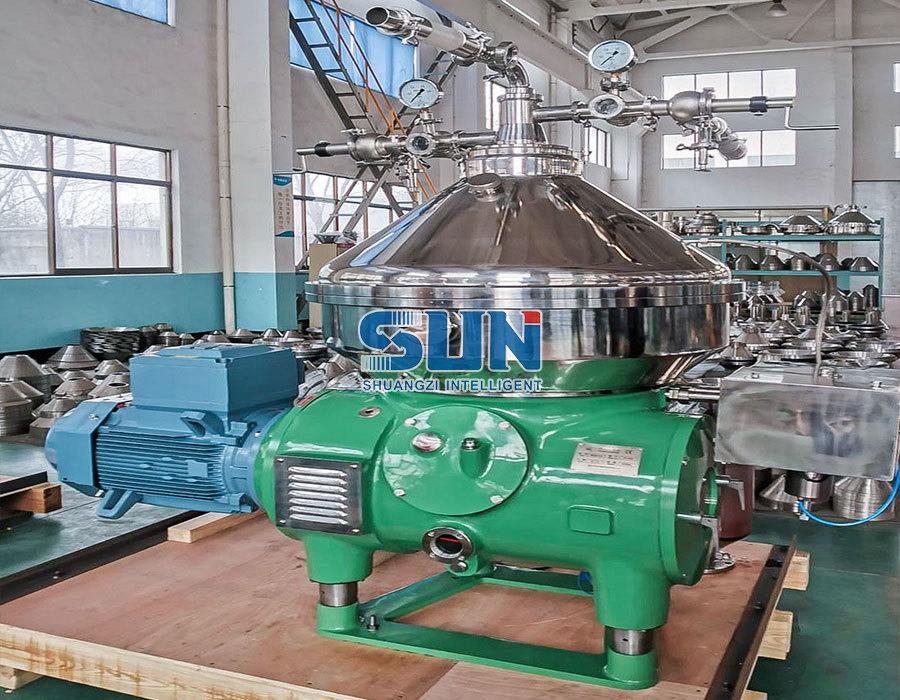
| Scalability | Add parallel extraction vessels | Increase flow rate or cascade centrifuge lines |
Machine Specifications That Define Production Reliability
Beyond the extraction method, the physical and control-system engineering of the machine determines whether it becomes an asset or a liability. Production managers who skip detailed spec comparisons often end up with equipment that cannot hold pressure, contaminates oil with metal fines, or fails to document batch history for an FDA audit.
Pressure and Temperature Control Precision
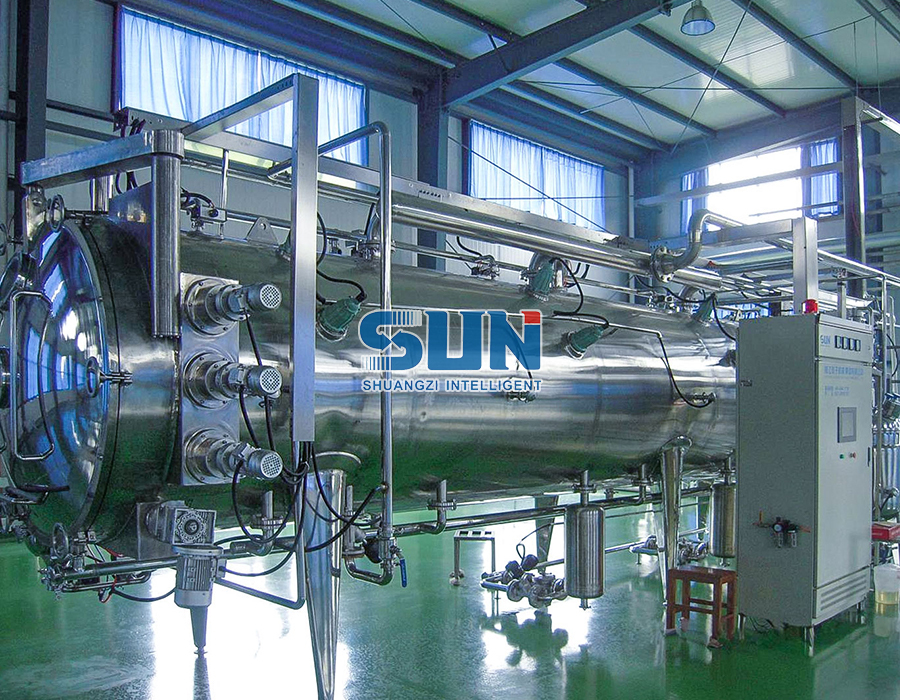
Supercritical CO₂ extraction demands pressure stability within ±0.5 MPa and temperature control within ±0.5°C to keep solubility windows reproducible. Machines that use simple on/off heating and single-stage pumping drift outside the supercritical zone, pulling undesirable waxes and chlorophyll. Look for multi-stage diaphragm or piston pumps with real-time PID feedback and jacketed extraction vessels with multiple independent heating zones.
Material Construction and GMP Compliance
All wetted parts—extraction vessels, separators, piping, and seals—must be 304 or 316L stainless steel with documented surface finish (Ra ≤ 0.8 µm for product-contact surfaces). Machines that mix brass fittings or use PTFE seals of unverified grade introduce contamination risks that a Certificate of Analysis will catch. For pharmaceutical-grade production, insist on full 3-A or ASME BPE design principles, even if the machine operates under food-grade licensing.
Automation and Data Integrity
A modern CBD oil extraction machine should log every critical process parameter—pressure, temperature, flow rate, run time—into an audit-ready historian. Machines without 21 CFR Part 11 compliant data handling place the entire operation at regulatory risk. HMI-based recipe management reduces operator error and ensures that every batch meets the same profile, directly improving lab testing pass rates.
Common Procurement Mistakes That Undermine ROI
Three purchasing errors account for the majority of extraction line failures, and they all stem from focusing on list price instead of total cost of ownership.
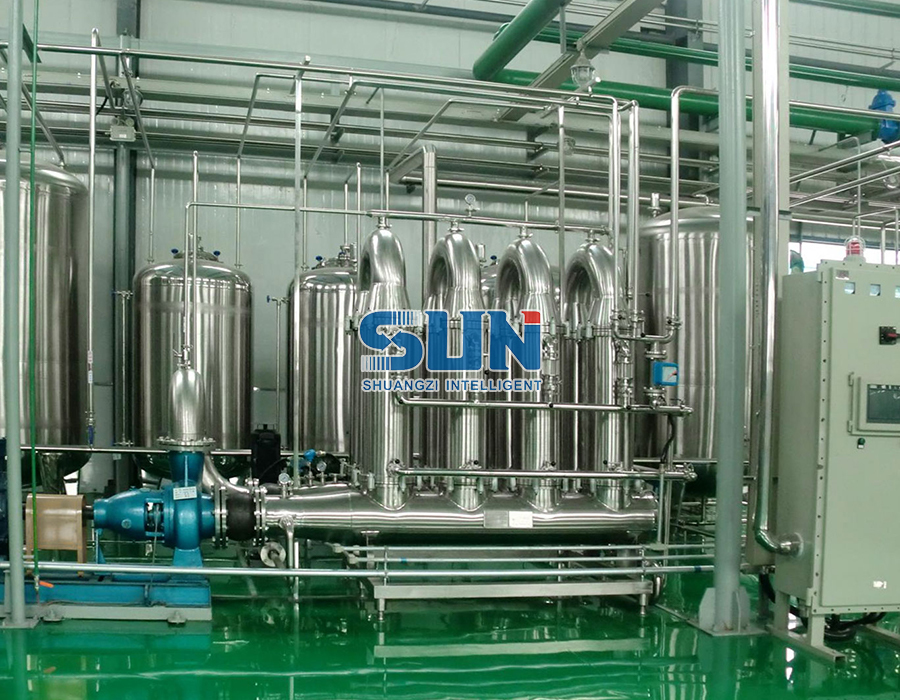
First, underestimating solvent recovery. An ethanol machine with inadequate evaporator capacity or a CO₂ system without a closed-loop recycle module turns solvent into a recurring operating expense instead of a one-time fill. Solvent loss above 2% per run quickly erases any advantage gained from a lower machine purchase price.
Second, ignoring post-processing integration. The extract leaving the primary machine is rarely the final product. If your winterization, decarboxylation, and distillation equipment cannot keep pace, the extraction machine sits idle or creates a backlog that forces overtime and rush cleaning cycles that compromise batch integrity.
Third, purchasing equipment without local engineering support. Even the most robust machine requires commissioning, spare parts, and troubleshooting. When evaluating manufacturers, validate that they offer documented installation protocols and either maintain a North American service partner or provide remote diagnostic access with guaranteed response times.
Turnkey vs. Modular: Matching Capacity to Your Growth Trajectory
A turnkey extraction system—pre-piped, pre-wired, and mounted on a common skid—shortens installation from weeks to days and reduces on-site engineering risk. This approach suits new facilities that need to reach commercial output rapidly. The trade-off is that capacity expansion often requires buying a second full line.
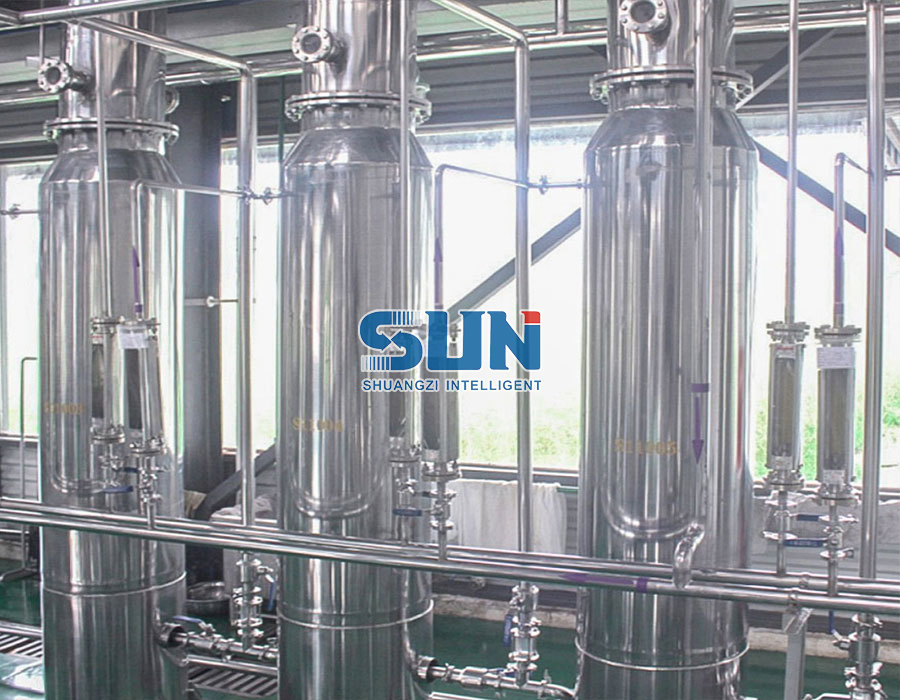
Modular systems, where individual extraction vessels, separators, and solvent loops are skid-mounted independently, let you add capacity incrementally. A three-vessel CO₂ system can start with one vessel processing 50 kg per day and scale to 150 kg by adding two more vessels without replacing the supporting chiller and pump infrastructure. This architecture works well for processors who expect to grow but whose initial biomass supply or sales contracts do not yet justify full capacity.
How Engineered Systems Address U.S. Compliance and Safety
Extraction machines installed in the United States must satisfy an overlapping set of requirements: local fire code (often NFPA 36 for ethanol), ASME pressure vessel code for CO₂ systems operating above 1,000 psi, and FDA current Good Manufacturing Practice for products destined for pharmaceutical or nutraceutical markets. Equipment that was not designed with these codes in mind will require costly field modifications.
Sun Intelligent extraction machines are built on a certified fabrication platform that starts with ASME- and PED-compliant pressure vessels and integrates safety instrumented systems as standard—burst discs, emergency depressurization circuits, and gas detection interlocks—rather than as optional add-ons. The control architecture supports automatic shutdown on high-pressure or high-temperature deviation, and the machine’s documentation package includes full material traceability and weld certifications, which shortens the regulator’s review time during facility licensing.
Scaling from Pilot to Production Without Re-Engineering
The most efficient path from lab-scale development to commercial-scale extraction uses geometrically similar vessel designs that keep residence time, solvent-to-biomass ratio, and pressure profiles identical. When a pilot machine’s vessel has a height-to-diameter ratio of 5:1 and the production model uses a different ratio, extraction kinetics change, forcing process development to start over. Ensure that the manufacturer offers a consistent design family from 5-liter pilot units through 200-liter production vessels so that the data you generate in R&D transfers directly to full-batch recipes.