
 英语
英语 俄语
俄语Content
- 1 Understanding External Circulation Evaporators in Industrial Processes
- 2 Core Components and Working Principle
- 3 Key Advantages Compared to Other Evaporator Types
- 4 Typical Industrial Applications
- 5 Design Considerations for Optimal Performance
- 6 Energy Efficiency and Cost Optimization
- 7 Operation, Maintenance, and Troubleshooting
- 8 Conclusion: When to Choose an External Circulation Evaporator
Understanding External Circulation Evaporators in Industrial Processes
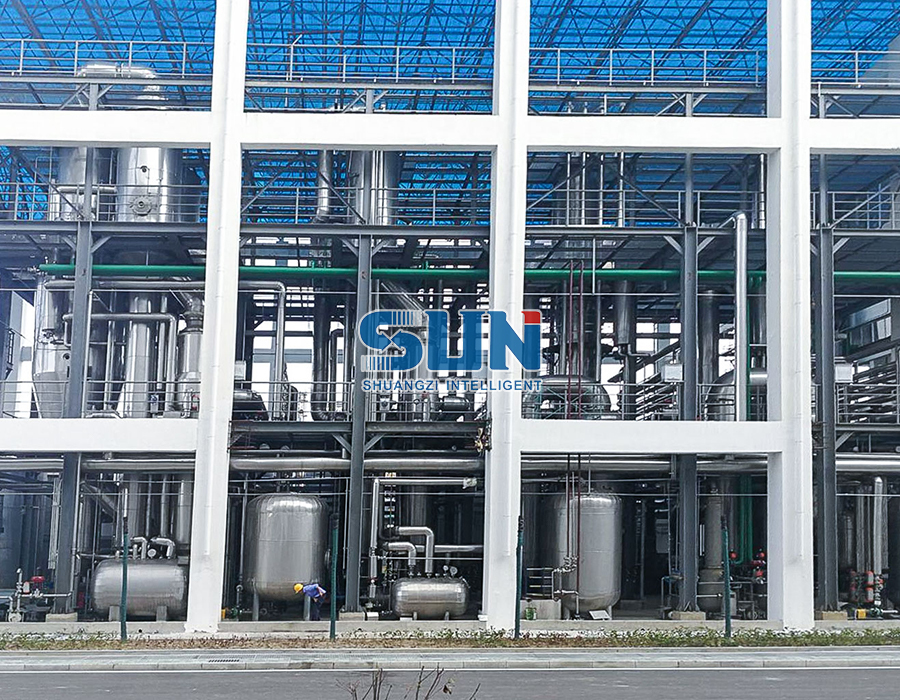
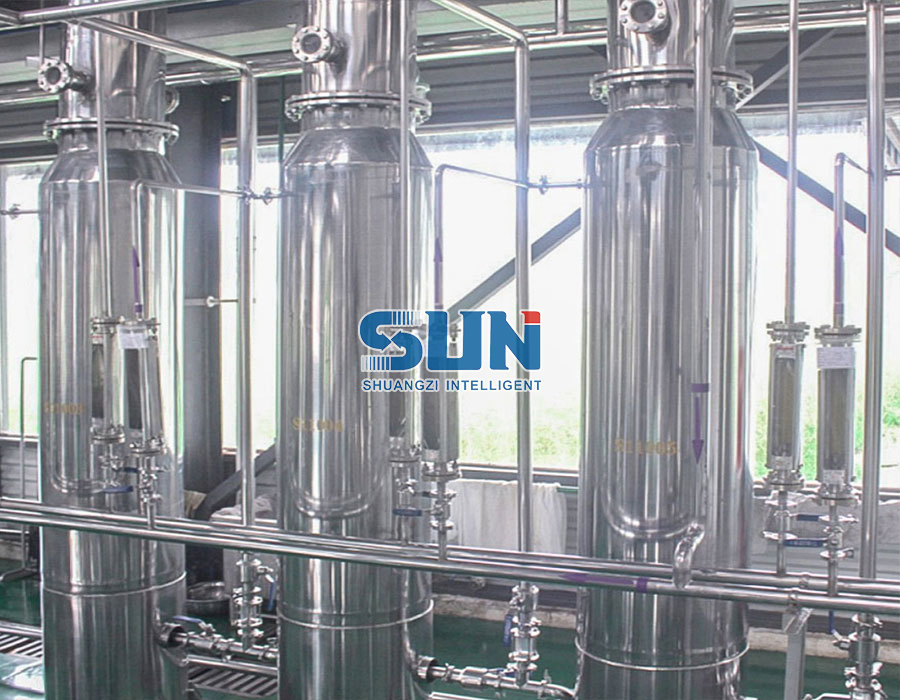
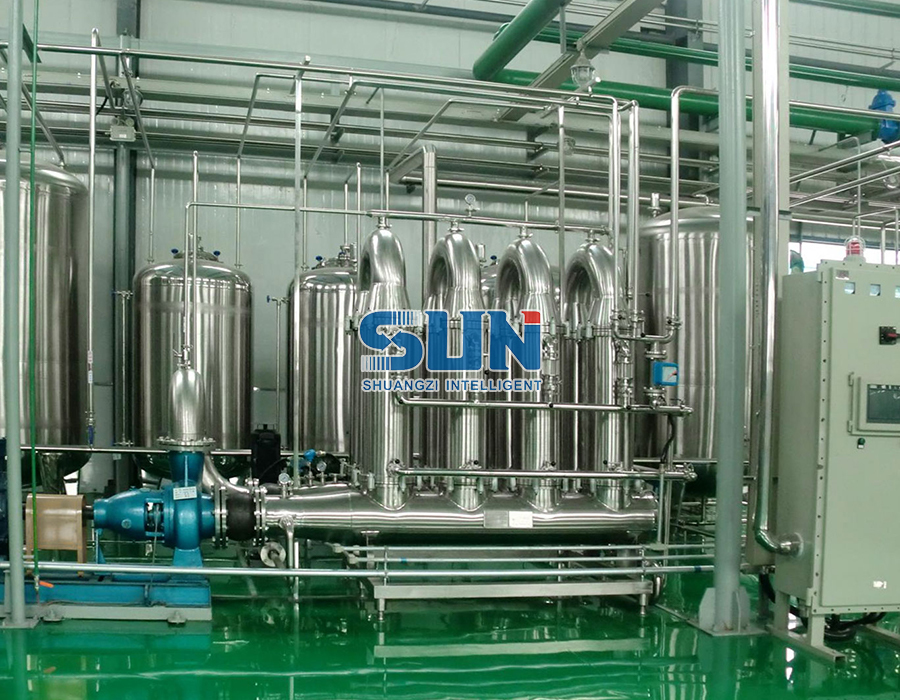
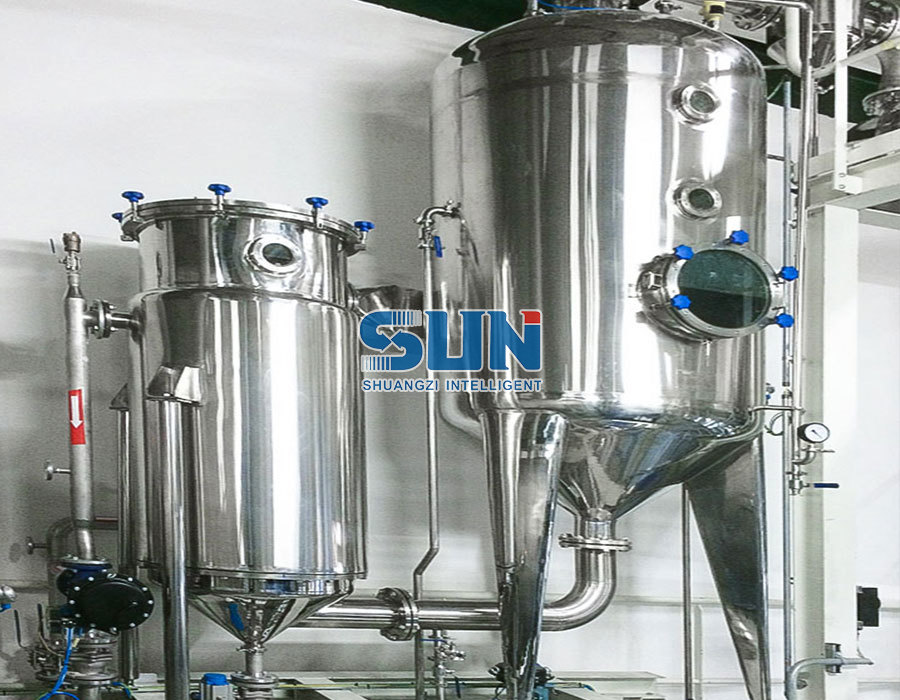
An external circulation evaporator is a widely used industrial evaporator designed to concentrate solutions, recover solvents, or reduce wastewater volume. Unlike natural circulation systems, this configuration uses a dedicated pump to move liquid between the heat exchanger and the separator. This controlled circulation improves heat transfer efficiency, minimizes fouling, and enables stable operation across a wide range of viscosities and solids content. External circulation evaporators are commonly applied in chemical processing, food and beverage production, pharmaceutical manufacturing, and wastewater evaporation systems.
By separating the heating and flashing zones, this evaporator design allows precise temperature control and flexible operation under atmospheric or vacuum evaporation conditions. This makes it especially suitable for heat-sensitive materials and processes that demand consistent product quality.
Core Components and Working Principle
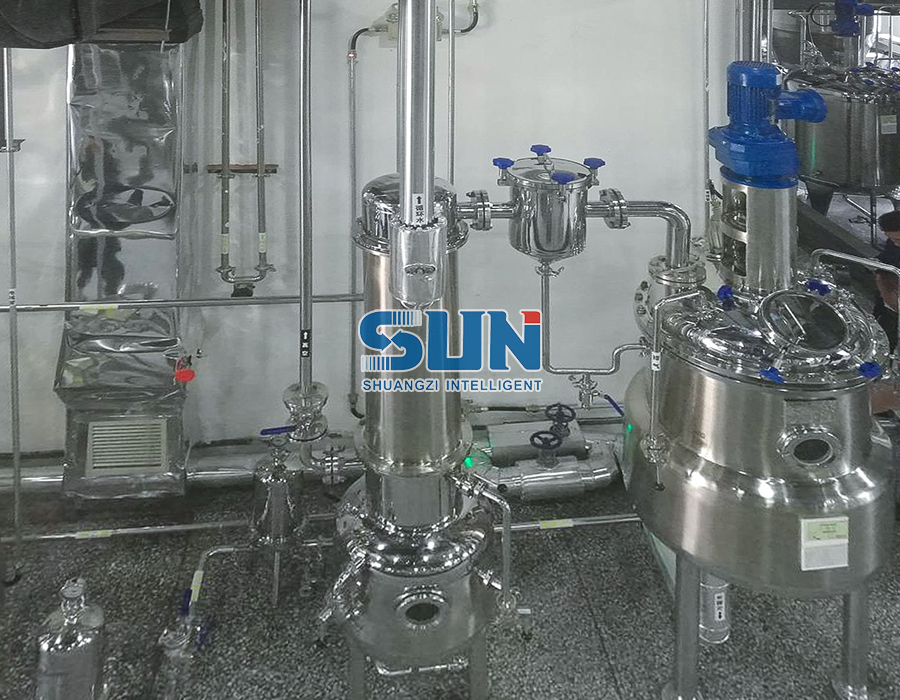
The performance of an external circulation evaporator depends on the coordinated operation of several core components. Each part plays a specific role in maintaining steady evaporation and efficient energy use.
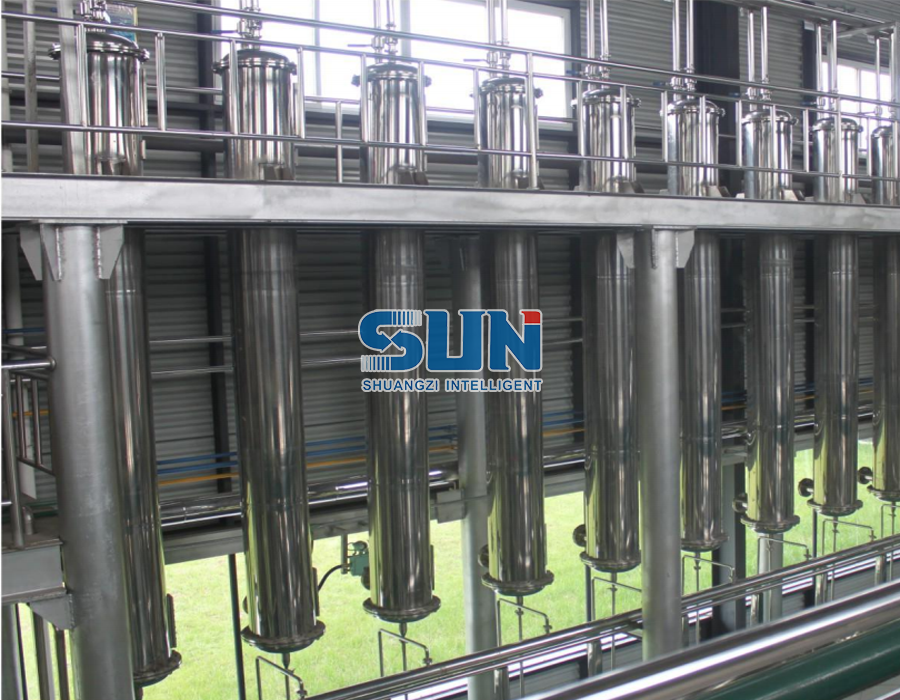
- Heat Exchanger: Typically a shell-and-tube heat exchanger where steam or thermal oil transfers heat to the process liquid.
- Circulation Pump: Forces the liquid through the heat exchanger at a controlled flow rate, ensuring high turbulence and reduced scaling.
- Separator Vessel: Allows vapor to disengage from the concentrated liquid after heating.
- Condenser: Cools and condenses the vapor, enabling solvent recovery or safe discharge.
In operation, the circulation pump continuously moves liquid from the separator through the heat exchanger. As the liquid absorbs heat, part of it vaporizes when entering the lower-pressure separator. The vapor exits for condensation, while the remaining liquid recirculates until the desired concentration is reached.
Key Advantages Compared to Other Evaporator Types
External circulation evaporators offer several advantages over falling film, rising film, or natural circulation evaporators, particularly in demanding industrial environments.
- Enhanced Heat Transfer: Forced circulation increases velocity inside tubes, improving heat transfer coefficients.
- Reduced Fouling: High flow rates help prevent scaling and deposits, extending cleaning intervals.
- Process Flexibility: Handles high-viscosity fluids, slurries, and liquids with suspended solids.
- Stable Vacuum Operation: Well-suited for vacuum evaporator systems used with heat-sensitive products.
These benefits make external circulation evaporators a preferred choice when reliability, product consistency, and operational control are priorities.
Typical Industrial Applications
External circulation evaporators are used across industries where controlled evaporation and concentration are essential. Their robust design supports both continuous and batch processing.
- Chemical industry for concentrating acids, alkalis, and process intermediates.
- Food and beverage processing for syrups, extracts, and flavor concentrates.
- Pharmaceutical manufacturing where precise temperature control protects active ingredients.
- Industrial wastewater evaporation to reduce disposal volumes and recover reusable water.
In wastewater treatment, these systems are often paired with vacuum evaporation to lower boiling points and reduce energy consumption.
Design Considerations for Optimal Performance
Proper design is critical to achieving long-term efficiency and reliability. Engineers must evaluate process requirements and fluid properties before selecting or customizing an external circulation evaporator.
Flow Rate and Pump Selection
The circulation pump must deliver sufficient flow to maintain turbulence without causing excessive energy consumption. Oversizing increases operating costs, while undersizing leads to fouling and poor heat transfer.
Heat Transfer Surface Area
Accurate sizing of the heat exchanger ensures stable evaporation under varying loads. Tube material selection should consider corrosion resistance and cleanability.
Energy Efficiency and Cost Optimization
Energy consumption is a major operating cost for industrial evaporators. External circulation systems can be optimized using several strategies.
| Optimization Method | Practical Benefit |
| Vacuum Operation | Lower boiling temperature and reduced steam usage |
| Heat Recovery | Reuse of condenser heat to preheat feed |
| Automated Controls | Stable operation and minimized energy waste |
Implementing these measures can significantly improve the energy efficiency of evaporation systems while maintaining throughput.
Operation, Maintenance, and Troubleshooting
Consistent operation and preventive maintenance are essential for maximizing equipment life. Operators should monitor key parameters such as circulation rate, temperature difference, and pressure.
- Regular inspection of heat exchanger tubes for scaling or corrosion.
- Verification of pump performance to maintain design flow rates.
- Cleaning-in-place procedures to minimize downtime.
Addressing small performance deviations early helps avoid unplanned shutdowns and maintains consistent evaporation capacity.
Conclusion: When to Choose an External Circulation Evaporator
An external circulation evaporator is an effective solution for industries requiring reliable, flexible, and energy-efficient evaporation. Its forced circulation design supports challenging fluids and variable operating conditions while delivering consistent results. When combined with proper design, energy optimization, and maintenance practices, this type of industrial evaporator provides long-term value for concentration, solvent recovery, and wastewater evaporation applications.