
 英语
英语 俄语
俄语Content
The purity of a CBD product is not decided at the lab bench — it is decided by the machines on the production floor. From the moment dried hemp biomass enters a processing facility to the point where a clear, high-concentration CBD oil or isolate leaves it, every piece of equipment in the chain either preserves quality or compromises it. Understanding how CBD extraction machines work at each stage is essential for any producer who wants to deliver consistent, compliant, and market-ready output.
Why Equipment Quality Determines CBD Purity
CBD extraction is a multi-step industrial process. Raw hemp contains hundreds of compounds — cannabinoids, terpenes, chlorophyll, waxes, lipids, and residual pesticides. The goal of extraction equipment is to selectively isolate CBD and its desired co-compounds while systematically eliminating everything else.
The challenge is that many of these unwanted compounds share similar chemical properties with CBD. Separating them demands precise control over temperature, pressure, solvent concentration, and contact time. A machine that cannot hold stable process parameters will produce an inconsistent extract — and inconsistency is the primary enemy of product quality at commercial scale.
Beyond consistency, equipment design directly affects safety. Residual solvents, heavy metals leached from substandard vessel materials, and microbial contamination from poor sealing are all equipment-related quality failures. Investing in properly engineered machinery is therefore not only a productivity decision — it is a compliance and consumer safety decision.
Starting Right: Hemp Biomass Preparation
Quality output begins before the extraction vessel is ever filled. Raw hemp flowers and biomass must be dried and milled to a consistent particle size before processing. These preparatory steps are often underestimated, yet they have a direct impact on extraction efficiency and final purity.
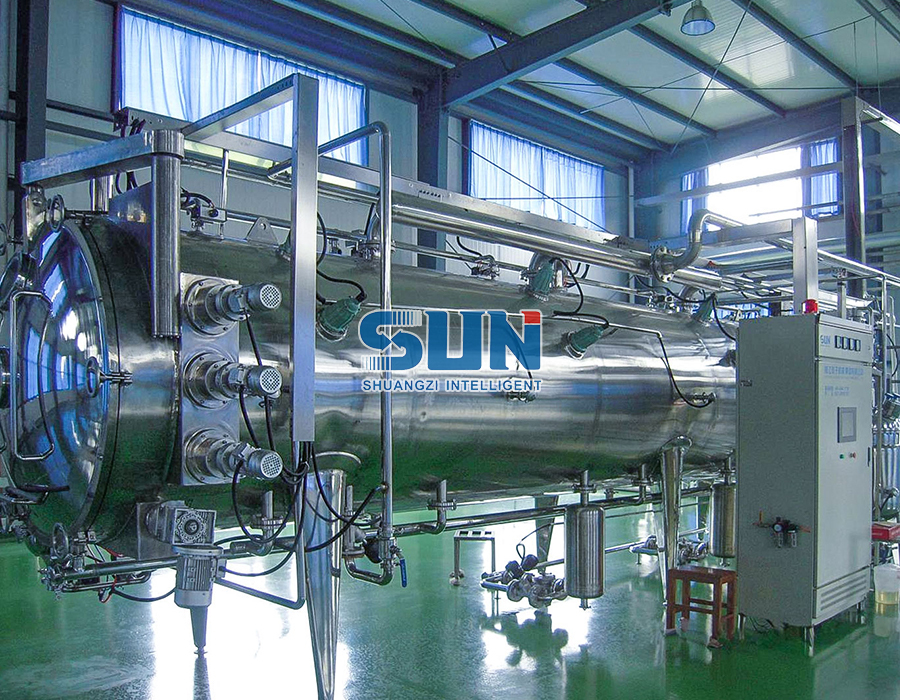
Industrial drying equipment removes moisture to a precisely controlled level — typically below 10% — without applying temperatures that would degrade cannabinoids or volatilize terpenes. Convection-based dryers with programmable heat zones are preferred over simple ambient drying because they deliver uniform moisture reduction across large batches.
Milling creates the surface area necessary for solvents or supercritical fluids to penetrate plant material effectively. Particle size that is too coarse leads to incomplete extraction and lower yields. Particle size that is too fine can create filtration difficulties downstream and increase the co-extraction of unwanted chlorophyll. A calibrated milling system, producing a consistent 2–4 mm grind, sets the foundation for every subsequent stage.
Core Extraction Methods and Their Machines
The extraction stage is where cannabinoids are physically separated from plant material. Three primary equipment categories dominate commercial CBD production, each offering a distinct combination of purity, throughput, and operating cost.
Supercritical CO₂ Extraction Systems
CO₂ extractors operate by pressurizing carbon dioxide beyond its supercritical point, where it behaves simultaneously as a gas and a liquid. In this state, CO₂ is an exceptionally selective solvent — capable of targeting specific cannabinoid fractions by adjusting temperature and pressure parameters mid-run. The result is a clean extract with no solvent residue and a precisely tunable cannabinoid profile. CO₂ systems represent the highest capital investment but deliver the cleanest output for pharmaceutical-grade and premium consumer applications.
Ethanol Extraction Machines
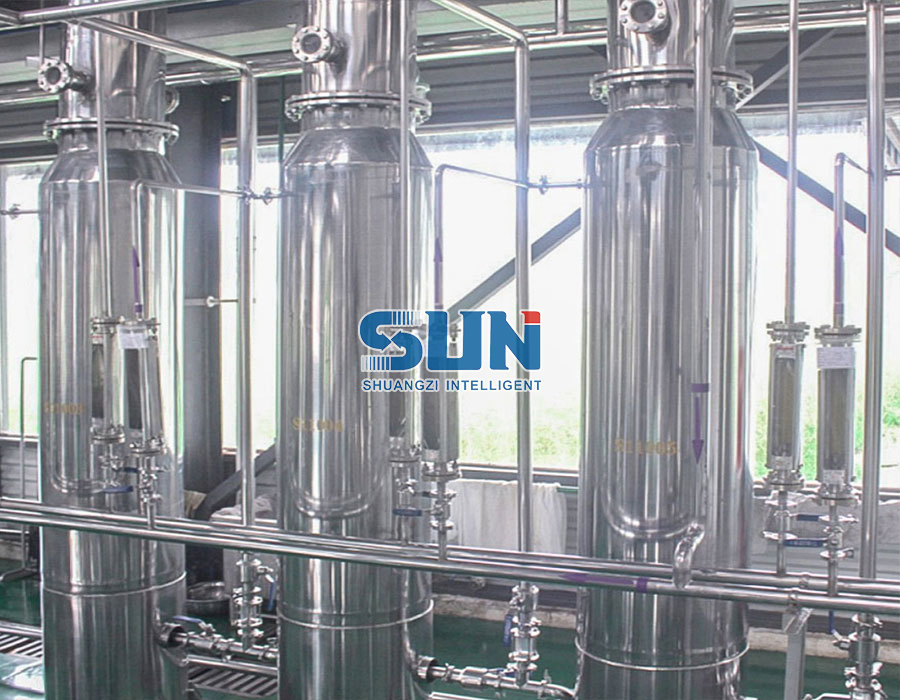
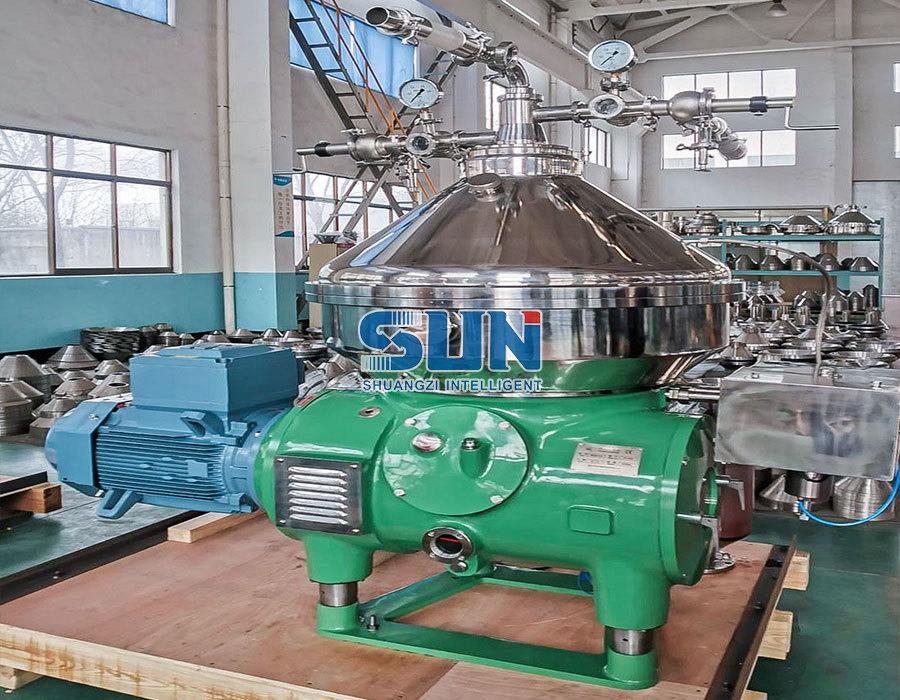
Ethanol is a broad-spectrum solvent that efficiently strips cannabinoids from biomass at high throughput. Cryogenic ethanol systems — operating at temperatures as low as -40°C — significantly reduce the co-extraction of chlorophyll and lipids, which simplifies downstream refinement. The extraction machine configurations used for ethanol processing typically include centrifugal separators and falling-film evaporators that recover and recycle solvent continuously, lowering operating costs at scale. Ethanol systems are the preferred choice for large-volume production where speed and cost efficiency are priorities.
Countercurrent Extraction Systems
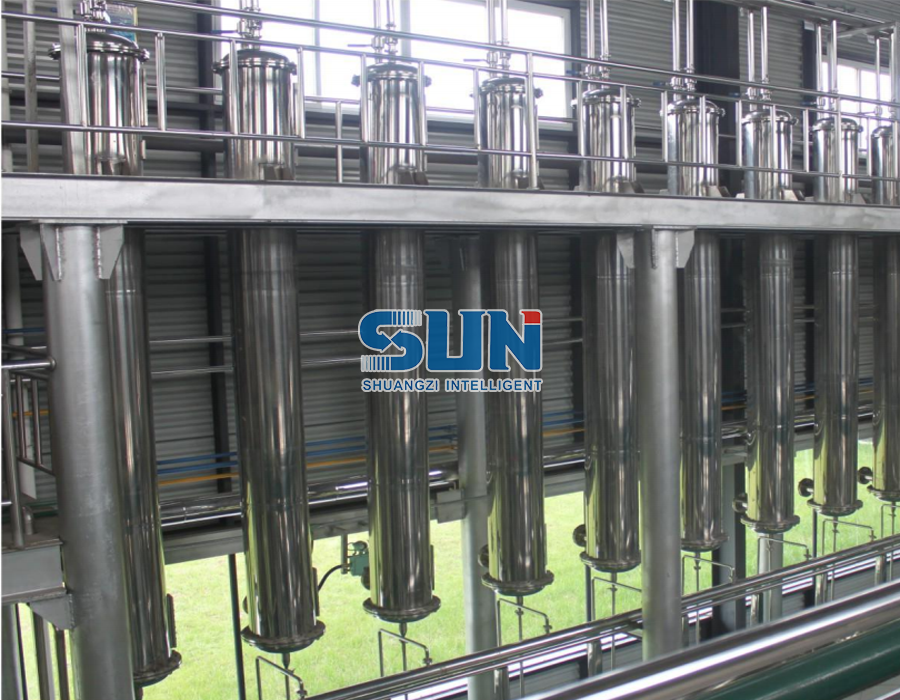
For producers running continuous processing lines, countercurrent extraction equipment offers a compelling advantage. By moving solvent and plant material in opposing directions through the extraction vessel, these systems maximize the concentration gradient between solvent and biomass at every point in the process. The CBD Oil Countercurrent Extraction Machine is particularly well suited to high-volume hemp processing, delivering consistent extraction efficiency with reduced solvent consumption per kilogram of input material. This approach is widely used in industrial-scale CBD production line configurations where batch interruptions must be minimized.
Post-Extraction Refinement: Where Purity Is Perfected
Crude extract leaving the primary extraction vessel is far from a finished product. It contains plant waxes, lipids, residual chlorophyll, and minor cannabinoids that must be removed before the oil meets quality specifications. The refinement train — a sequence of specialized machines — is responsible for elevating crude extract into a high-purity finished product.
Winterization and Filtration
Winterization involves chilling crude extract mixed with ethanol to temperatures between -20°C and -40°C. At these temperatures, waxes and lipids precipitate out of solution and can be removed by filtration. The equipment used must maintain stable cryogenic temperatures across the entire batch volume and support rapid, clean filtration without introducing contamination.
Evaporation and Solvent Recovery
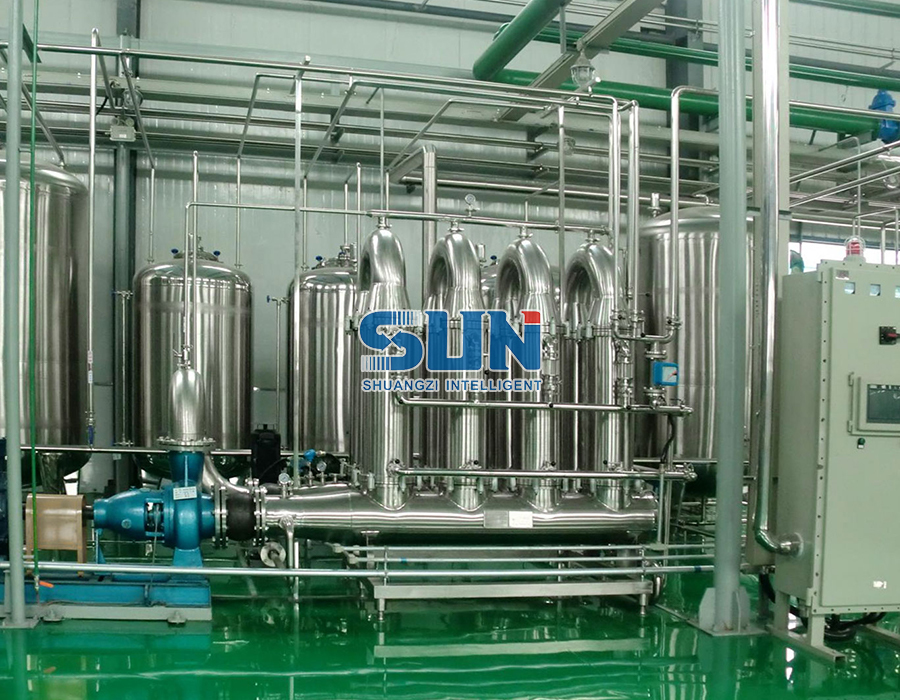
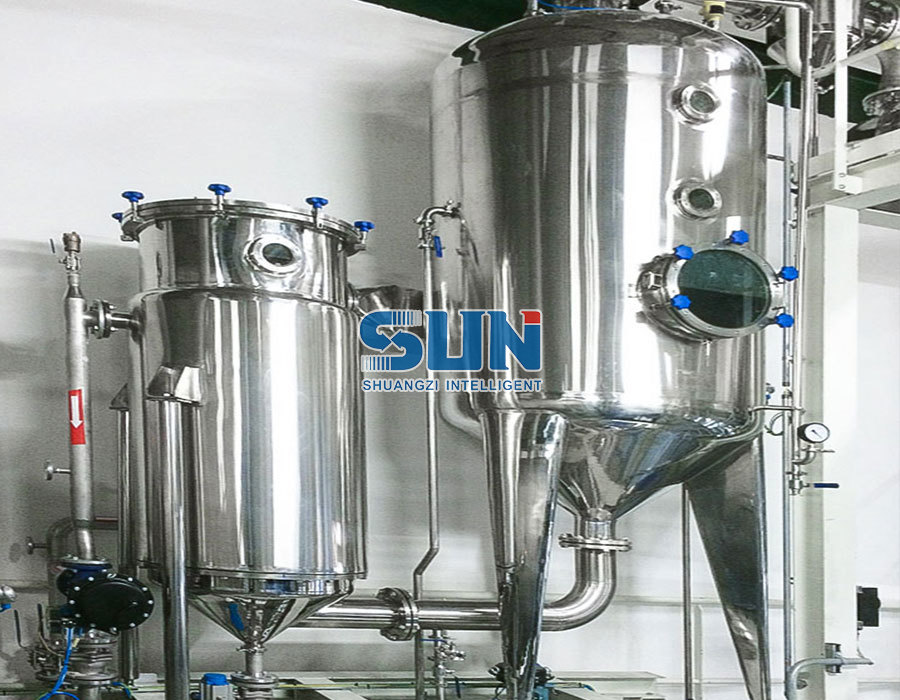
After winterization, residual ethanol must be removed from the extract. Falling-film evaporators and rotary evaporators are the primary equipment used at this stage. The concentration machine configurations used in professional facilities combine high evaporation efficiency with integrated solvent recovery systems, ensuring that ethanol is captured and recycled rather than vented — which is both an economic and environmental advantage.
Molecular Distillation
Molecular distillation is the refinement step that separates CBD from remaining minor cannabinoids, terpenes, and residual impurities based on differences in molecular weight and vapor pressure. Operating under high vacuum at carefully controlled temperatures, a molecular distillation unit can produce distillate with CBD concentrations typically exceeding 80–90%. This stage represents the final precision step before crystallization or formulation.
Crystallization for CBD Isolate
Producers targeting CBD isolate — a powder form with purity levels above 99% — use crystallization equipment as the terminal refinement step. Crystallizers create controlled supersaturation conditions that cause pure CBD to precipitate as crystals, leaving impurities in the mother liquor. The quality of the crystallizer's temperature control and agitation system directly determines the crystal size distribution and final purity of the isolate.
Built-In Quality Control: How Modern Machines Monitor Output
The best extraction equipment does not just process material — it monitors the process in real time. Modern CBD extraction systems incorporate programmable logic controllers (PLCs) and human-machine interfaces (HMIs) that allow operators to set precise operating parameters and receive continuous feedback on process variables including temperature, pressure, flow rate, and solvent concentration.
Automated systems reduce the variability introduced by manual operation. When a temperature deviation occurs mid-extraction, an automated system can adjust in seconds rather than the minutes it might take a human operator to notice and respond. This precision is directly reflected in batch-to-batch consistency — a critical requirement for brands supplying regulated markets or pharmaceutical customers.
At the facility level, in-line analytical tools such as near-infrared (NIR) sensors can provide real-time estimates of cannabinoid concentration at key points in the production line, allowing operators to make process adjustments before a full batch is committed to an out-of-specification result. Combined with final product testing using HPLC and GC-MS methods, a data-driven production process creates a traceable quality record from raw biomass to finished extract.
Choosing the Right CBD Extraction Equipment
Equipment selection should be driven by three primary factors: target product type, production scale, and regulatory environment. A producer targeting pharmaceutical-grade CBD isolate has different equipment requirements than one producing full-spectrum hemp oil for the food supplement market. Similarly, a facility processing 500 kg of biomass per day needs a fundamentally different configuration than a craft producer running 20 kg batches.
Key considerations when evaluating equipment include: material specifications (food-grade stainless steel is a baseline requirement), pressure vessel certifications (ASME, CE, or equivalent standards depending on market), GMP-compatible design features such as clean-in-place (CIP) systems, and the availability of validated process documentation from the manufacturer.
Turnkey solutions — where a single supplier designs, manufactures, and commissions the complete production line — offer a significant advantage for new facilities. They eliminate integration risk between equipment from different vendors and ensure that each machine in the refinement chain is matched in terms of throughput and operating parameters. Reviewing real-world CBD Extraction Project cases from your equipment supplier provides concrete evidence of their capacity to deliver production lines that perform at specification.
Finally, consider the total cost of ownership rather than the capital cost alone. Equipment with efficient solvent recovery, low maintenance requirements, and strong after-sales support will consistently outperform lower-cost alternatives over a three-to-five-year production horizon.
From pre-treatment through extraction, refinement, and quality verification, every stage of CBD production is shaped by the equipment running it. Choosing machines engineered for precision, durability, and compliance is not an overhead decision — it is the single most important investment a CBD producer can make in the quality of their output.