
 英语
英语 俄语
俄语Content
- 1 Understanding the Role of Sterilization Equipment in Infection Control
- 2 Common Types of Sterilization Equipment and Their Applications
- 3 Choosing the Right Sterilization Equipment for Your Facility
- 4 Best Practices for Operating Sterilization Equipment
- 5 Sterilization Monitoring and Quality Assurance
- 6 Maintenance and Safety Considerations
- 7 Future Trends in Sterilization Equipment Technology
- 8 Conclusion: Building a Reliable Sterilization Strategy
Understanding the Role of Sterilization Equipment in Infection Control
Sterilization equipment plays a critical role in preventing the spread of pathogens in healthcare facilities, laboratories, pharmaceutical plants, and food processing environments. By eliminating bacteria, viruses, fungi, and spores from tools and surfaces, medical sterilizers ensure patient safety and regulatory compliance. Modern sterilization systems are designed to handle everything from surgical instruments to laboratory glassware with consistent and verifiable results.
Hospitals rely heavily on hospital sterilization equipment such as autoclave machines and low-temperature sterilizers to maintain aseptic conditions. Without reliable sterilization processes, healthcare-associated infections (HAIs) would increase significantly, impacting both patient outcomes and operational costs.
Common Types of Sterilization Equipment and Their Applications
Different sterilization methods are used depending on the material being treated, temperature sensitivity, and contamination risk. Each system offers unique advantages in medical and laboratory environments.
Steam Sterilization (Autoclaves)
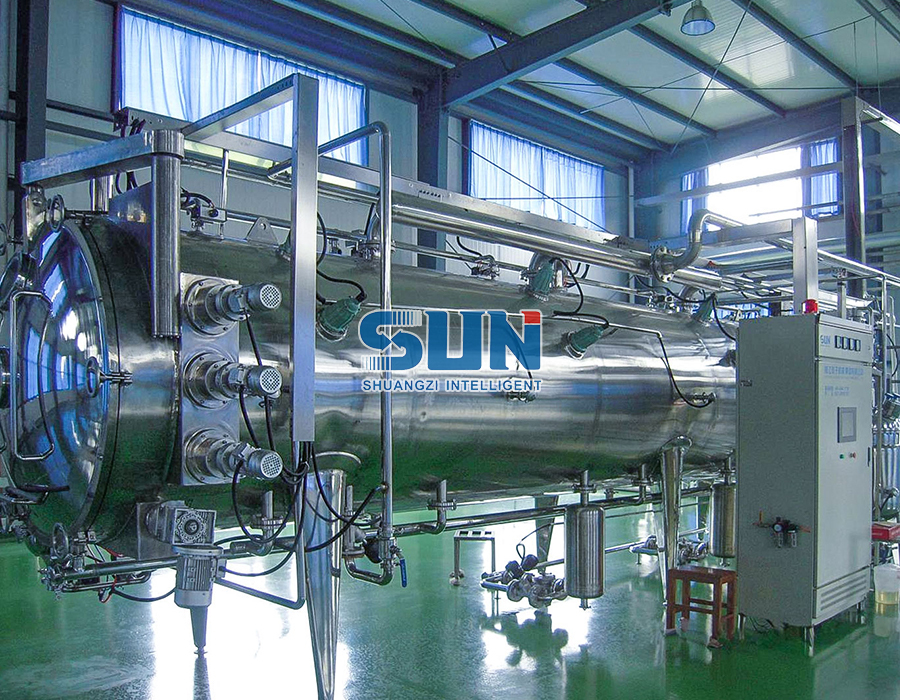
Autoclave machines use high-pressure saturated steam to destroy microorganisms. They are widely used in hospitals, dental clinics, and laboratories due to their efficiency and cost-effectiveness.
- Ideal for surgical instruments, linens, and glassware
- Short cycle times with high reliability
- Environmentally friendly process
Ethylene Oxide (EO) Sterilizers
EO sterilization is used for heat- and moisture-sensitive medical devices such as plastic syringes, catheters, and electronic components. This low-temperature process penetrates packaging materials effectively.
UV Sterilization Systems
Ultraviolet sterilization equipment uses UV-C light to disrupt microbial DNA. While not a replacement for full sterilization in critical instruments, it is highly effective for surface and air disinfection.
Choosing the Right Sterilization Equipment for Your Facility
Selecting appropriate sterilization equipment depends on workflow volume, material compatibility, and regulatory requirements. Medical facilities often use a combination of high-temperature and low-temperature systems for maximum flexibility.
| Equipment Type | Best For | Temperature Range | Common Use |
| Autoclave | Metal tools, linens | 121–134°C | Hospitals, labs |
| EO Sterilizer | Plastic devices | 37–55°C | Medical manufacturing |
| UV System | Air, surfaces | Ambient | Rooms, HVAC |
Best Practices for Operating Sterilization Equipment
Proper operation ensures consistent sterilization results and extends equipment lifespan. Training staff and following standardized protocols is essential for compliance and safety.
- Clean instruments thoroughly before sterilization
- Avoid overloading sterilization chambers
- Use correct packaging materials
- Allow proper drying and cooling time
Sterilization Monitoring and Quality Assurance
Monitoring sterilization cycles ensures that equipment performs as expected. Hospitals and laboratories typically use mechanical, chemical, and biological indicators for validation.
Biological Indicators
These contain highly resistant spores that confirm whether sterilization conditions were sufficient to kill microorganisms. They are considered the gold standard for sterilization verification.
Chemical Indicators
Color-changing strips and tapes provide immediate visual confirmation that exposure parameters were met during the sterilization cycle.
Maintenance and Safety Considerations
Routine maintenance is essential for consistent sterilization performance. Autoclave calibration, filter replacement, and chamber inspections prevent downtime and costly repairs.
- Schedule preventive maintenance checks
- Document all sterilization cycles
- Train staff on emergency procedures
Future Trends in Sterilization Equipment Technology
Advancements in sterilization equipment focus on automation, digital monitoring, and energy efficiency. Smart autoclaves now integrate data logging, remote diagnostics, and compliance reporting.
Low-temperature hydrogen peroxide plasma sterilizers are also gaining popularity for sensitive instruments, offering fast cycles with minimal environmental impact.
Conclusion: Building a Reliable Sterilization Strategy
Investing in the right sterilization equipment is fundamental for infection prevention and regulatory compliance. From steam autoclaves to advanced low-temperature sterilizers, each system serves a specific role in maintaining sterile environments.
By following best practices, implementing proper monitoring, and staying updated with technological innovations, healthcare and laboratory facilities can ensure consistent, safe, and effective sterilization outcomes.