
 英语
英语 俄语
俄语Content
- 1 1. Understanding the Sensitivity of Tea Polyphenols
- 2 2. Precise Control of Temperature During Extraction
- 3 3. Minimizing Oxidation Through Smart Equipment Design
- 4 4. Maintaining the Ideal pH Environment
- 5 5. Energy-Efficient and Gentle Extraction Methods
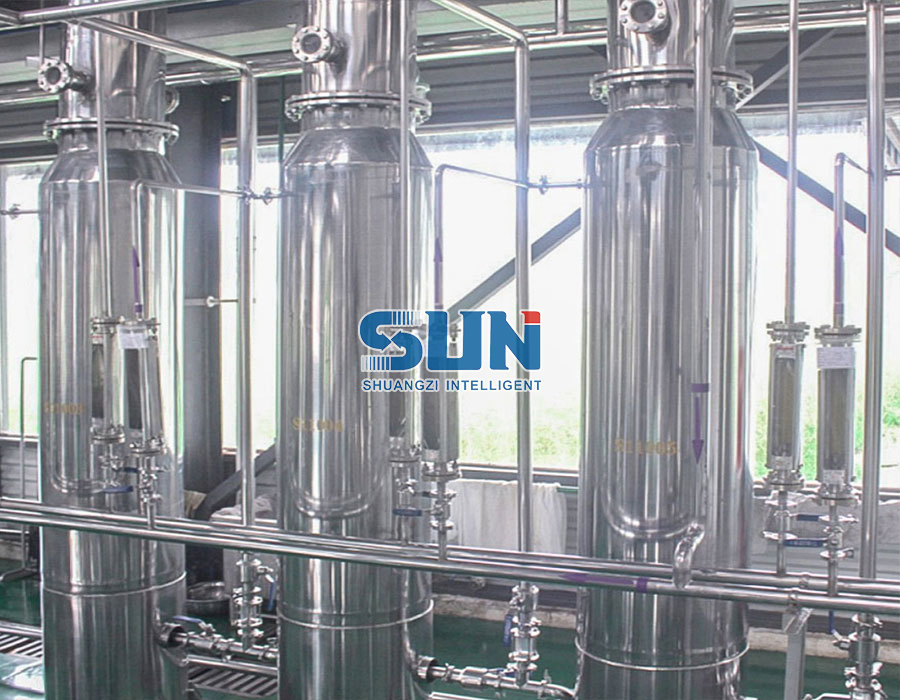
- 6 6. High-Quality Construction Materials Protect the Extract
- 7 7. Effective Filtration and Separation Systems
- 8 8. Maintaining Hygiene and Avoiding Contamination
- 9 9. Advanced Automation and Monitoring for Consistent Quality
- 10 10. Proper Solvent Recovery and Concentration Techniques
- 11 11. Operator Training and Proper Use of Equipment
- 12 Conclusion
Tea polyphenols are among the most valuable bioactive compounds found in tea leaves, known for their antioxidant properties and wide application in food, beverage, cosmetics, and health-related industries. Because these compounds are sensitive to temperature, oxidation, and processing conditions, manufacturers rely heavily on specialized Tea Polyphenols Extraction Equipment to keep the final extract as close as possible to its natural state. Maintaining quality is a complex process. It involves properly controlling extraction parameters, ensuring equipment hygiene, choosing the right materials, and using designs that minimize exposure to degrading factors.
1. Understanding the Sensitivity of Tea Polyphenols
To appreciate how Tea Polyphenols Extraction Equipment protects quality, it helps to understand what threatens that quality in the first place. Tea polyphenols—particularly catechins—are highly susceptible to:
1.1 Heat degradation
Excessive heat can alter their structure, reduce antioxidant capacity, and change flavor characteristics. While heat is necessary for extraction, uncontrolled high temperature is harmful.
1.2 Oxidation
When tea polyphenols are exposed to oxygen for prolonged periods, they can oxidize and transform into other compounds, affecting both purity and coloration.
1.3 Light exposure
Ultraviolet light can catalyze breakdown reactions, especially in liquid extract form.
1.4 Improper pH levels
Tea polyphenols generally remain stable in slightly acidic environments. If extraction conditions drift too far from this range, the compounds may degrade.
1.5 Microbial contamination
Although extraction occurs at elevated temperatures, poor cleaning or storage conditions can allow microbial colonies to develop, lowering product quality.
Tea Polyphenols Extraction Equipment is designed to address these threats at every step of the extraction process. The following sections explain how.
2. Precise Control of Temperature During Extraction
Temperature is one of the most important factors influencing polyphenol quality. Tea Polyphenols Extraction Equipment typically includes advanced temperature-control systems that help ensure the extraction stays within safe thresholds.
2.1 Adjustable Temperature Settings
Modern extraction systems allow operators to set and maintain specific extraction temperatures. This flexibility ensures polyphenols are released effectively without unnecessary thermal damage.
2.2 Uniform Heat Distribution
Quality equipment heats the extraction tank evenly to prevent “hot spots,” which can cause localized degradation or inconsistent extraction.
2.3 Multiple Heating Options
Some systems use steam heating, others use electric heating jackets. The key quality advantage is the ability to ramp temperature up and down gradually, avoiding thermal shock that might affect the extract.
2.4 Controlled Cooling
After extraction, rapid uncontrolled cooling can also affect polyphenol stability. Many Tea Polyphenols Extraction Equipment models include integrated cooling systems to bring the extract to a more stable temperature quickly but gently.
By maintaining optimal temperature ranges, the equipment reduces excessive breakdown of sensitive compounds and preserves their functional properties.
3. Minimizing Oxidation Through Smart Equipment Design
Oxidation is one of the most significant risks during polyphenol extraction. Tea Polyphenols Extraction Equipment addresses this problem in several ways:
3.1 Airtight Sealing
Extraction tanks and pipelines are designed to minimize air exposure. Good sealing prevents oxygen from entering the system during heating, stirring, or transfer.
3.2 Inert Gas Protection
Some systems allow nitrogen flushing, especially during solvent recovery or concentration steps. This displaces oxygen, offering additional protection for the extract.
3.3 Reduced Transfer Points
Every transfer increases the chance of oxygen exposure. Integrated equipment designs combine extraction, filtration, and concentration into a single closed system, preserving quality by reducing handling.
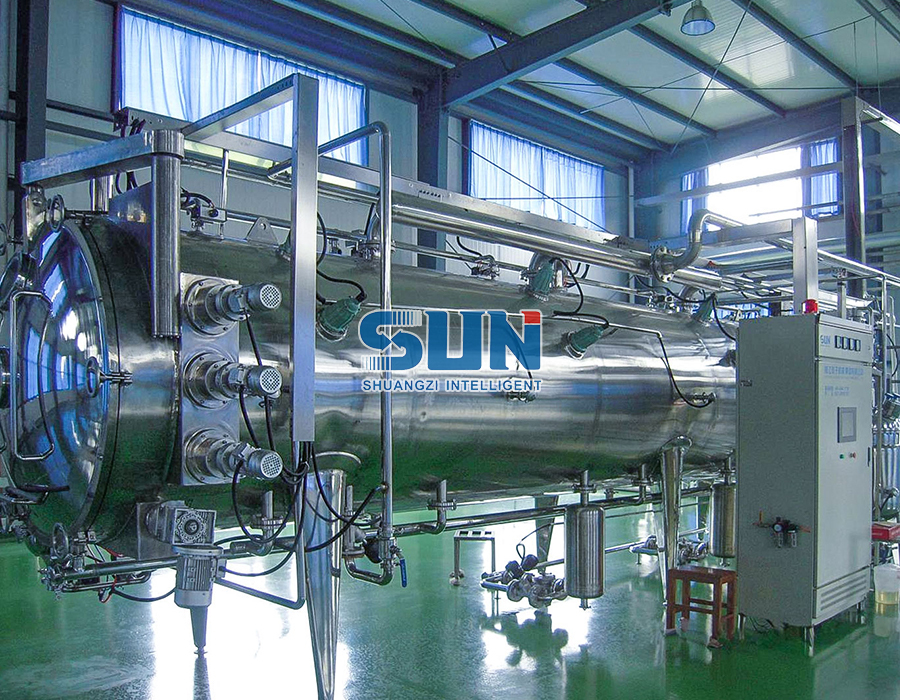
3.4 Vacuum Concentration Technology
Vacuum concentration lowers boiling points, protecting polyphenols from oxidation and thermal degradation simultaneously. Because the process occurs under reduced pressure, oxygen levels remain low.
By limiting oxygen contact, the equipment helps maintain the purity, color, and bioactivity of tea polyphenols.
4. Maintaining the Ideal pH Environment
Tea polyphenols remain more stable in a slightly acidic environment. Effective Tea Polyphenols Extraction Equipment allows operators to fine-tune extraction conditions.
4.1 pH Monitoring Systems
Some equipment includes real-time pH sensors so operators can adjust solvent ratios or additives when needed.
4.2 Using Mild Extraction Solvents
Common extraction solvents—such as water or water-ethanol mixtures—naturally maintain a safe pH range. Properly designed equipment helps ensure consistent solvent mixing and circulation.
4.3 Automated Dosing Controls
To maintain optimal pH levels, some systems feature automated dosing pumps that regulate acidity precisely, reducing the chance of human error.
Such controls help slow down degradation reactions and ensure a stable extract composition.
5. Energy-Efficient and Gentle Extraction Methods
The way Tea Polyphenols Extraction Equipment extracts compounds matters as much as the equipment itself. Gentle extraction methods can help maintain the natural structure of polyphenols.
5.1 Low-Temperature Extraction Technologies
Certain types of equipment use low-temperature extraction, such as vacuum extraction, which prevents heat damage.
5.2 Dynamic Extraction Approaches
Stirring mechanisms increase extraction efficiency without relying on extremely high temperatures.
5.3 Counter-Current Extraction
Some systems allow extraction solvents to flow counter to the direction of tea leaves. This increases efficiency while keeping extraction mild.
5.4 Multi-Stage Extraction
Sequential extraction stages prevent overexposure to heat and solvents, maintaining quality by balancing yield and preservation.
These engineering choices collectively reduce the risk of chemical alteration or loss of valuable components.
6. High-Quality Construction Materials Protect the Extract
The construction materials used in Tea Polyphenols Extraction Equipment directly influence extract purity and safety.
6.1 Food-Grade Stainless Steel
Most systems use stainless steel (often SUS304 or SUS316L) because it resists corrosion, does not leach chemicals, and is easy to sanitize.
6.2 Smooth Interior Surfaces
Well-polished surfaces prevent residue buildup that could harbor microbes or cause unwanted chemical reactions.
6.3 Heat-Resistant and Chemical-Resistant Seals
Seals and gaskets must withstand prolonged exposure to heat and solvent mixtures without breaking down.
6.4 Glass-Lined Options
Certain extraction tanks feature glass lining to offer even better chemical stability, especially when working with solvents.
Using durable, stable materials helps ensure that nothing unwanted enters the extract and that the equipment remains reliable for long-term use.
7. Effective Filtration and Separation Systems
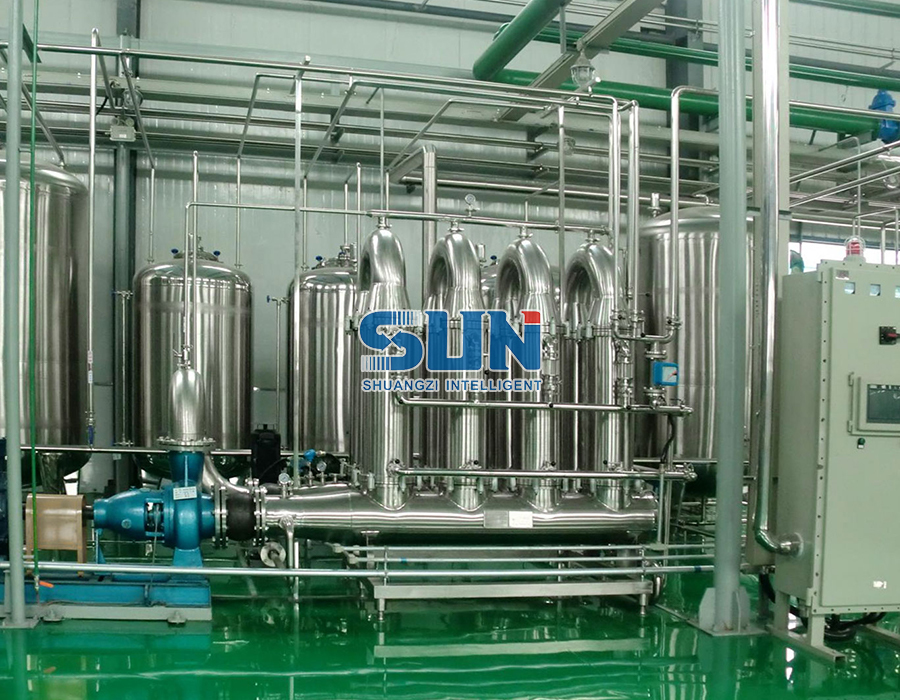
Quality Tea Polyphenols Extraction Equipment usually includes multi-stage filtration systems to ensure the extract remains pure.
7.1 Primary Filtration
This removes large particles from tea leaves, preventing them from over-extracting or degrading the final product.
7.2 Fine Filtration
Fine filters remove small particulates that may otherwise affect clarity, stability, or downstream concentration processes.
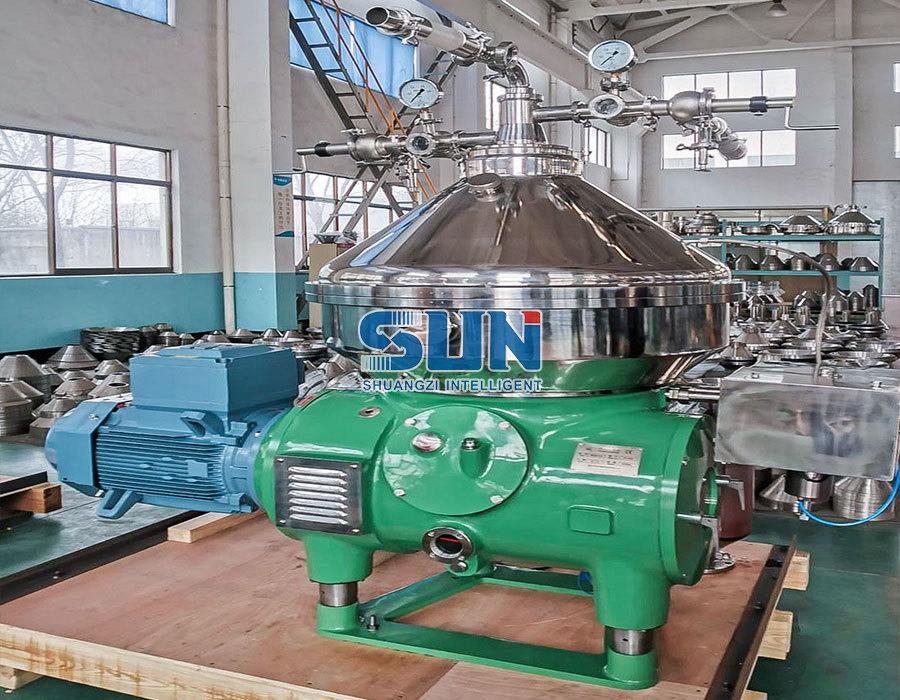
7.3 Centrifugal Separation
Some equipment uses centrifuges for efficient solid–liquid separation. This reduces the time the extract remains hot, preserving quality.
7.4 Inline Filtration
Inline filters reduce exposure to outside air by performing filtration within the closed system.
By removing impurities without introducing contamination or excessive heat, the equipment helps maintain extract quality from start to finish.
8. Maintaining Hygiene and Avoiding Contamination
Sanitation is a fundamental part of ensuring extract quality. Even well-designed Tea Polyphenols Extraction Equipment can produce poor results if not properly maintained.
8.1 Clean-in-Place (CIP) Systems
Many systems include CIP technology, which allows thorough automatic cleaning without disassembly. This ensures consistent cleanliness between batches.
8.2 Easy-to-Disassemble Components
When manual cleaning is needed, equipment designed for quick disassembly reduces downtime and helps operators maintain a proper hygiene schedule.
8.3 Anti-Microbial Design Choices
Smooth surfaces, simple pipelines, and limited dead corners help reduce microbial growth.
8.4 Regular Maintenance Schedules
Routine checks on seals, valves, pipes, and filters ensure the system operates without unintended contamination risks.
Hygiene directly affects the stability, safety, and purity of tea polyphenols, making these design features essential.
9. Advanced Automation and Monitoring for Consistent Quality
Automation is one of the most reliable ways to maintain consistent extraction quality. Tea Polyphenols Extraction Equipment often includes:
9.1 Programmable Logic Controllers (PLC)
These controllers help operators automate temperature, pressure, timing, solvent ratios, and concentration steps. Automation minimizes human error and contributes to consistent results.
9.2 Real-Time Sensors
Sensors monitor temperature, pressure, pH, liquid levels, and flow rates, ensuring precise control.
9.3 Data Logging Systems
Recorded data helps manufacturers trace issues, optimize processes, and maintain consistent quality over time.
9.4 Alarm and Safety Systems
If extraction conditions deviate from safe limits, alarms alert operators to take corrective action. This protects both product quality and equipment.
Automation not only improves consistency but also makes the extraction process more predictable and efficient.
10. Proper Solvent Recovery and Concentration Techniques
After extraction, the solvent must be separated and recovered, and the extract must be concentrated. Poor handling at this stage can degrade polyphenols.
10.1 Vacuum Evaporation
This method reduces thermal exposure by lowering boiling points.
10.2 Distillation Under Controlled Pressure
Distillation systems remove solvents gently and efficiently, preserving the chemical structure of sensitive compounds.
10.3 Efficient Solvent Recovery Systems
Good recovery systems prevent solvent residues and reduce contamination risks.
10.4 Low-Temperature Concentration Units
These protect the extract during final thickening stages.
By using gentle and controlled concentration methods, the equipment ensures that polyphenol quality remains intact until the final stages of processing.
11. Operator Training and Proper Use of Equipment
Even the most advanced Tea Polyphenols Extraction Equipment requires skilled operation to maintain product quality.
11.1 Understanding Extraction Parameters
Operators need training to recognize correct temperature, pressure, and solvent ratios.
11.2 Monitoring During the Extraction Process
Active monitoring helps catch issues early, reducing the risk of degraded batches.
11.3 Proper Maintenance Practices
Cleaning, routine inspections, and correct storage practices all help ensure long-term quality and reliability.
Human expertise remains an essential part of preserving tea polyphenol quality.
Conclusion
Maintaining the quality of tea polyphenols during extraction is a multifaceted challenge. Tea Polyphenols Extraction Equipment is engineered to address the main causes of degradation—heat, oxidation, pH changes, contamination, and handling errors. Through precise temperature control, airtight system design, gentle extraction methods, durable materials, effective filtration, automation, and hygienic features, the equipment helps ensure that the final extract retains its natural composition and functional properties.
While no equipment can guarantee perfect preservation without proper operation, high-quality Tea Polyphenols Extraction Equipment provides the foundation necessary for consistent, safe, and reliable production. For manufacturers aiming to produce high-purity tea polyphenols, investing in well-designed equipment and operating it correctly are equally important.