
 英语
英语 俄语
俄语Content
- 1 Core Extraction Methods and Their Performance Boundaries
- 2 Equipment Components That Dictate Extraction Efficiency
- 3 Selecting the Right Extraction Machine for Your Botanical Material
- 4 Process Optimization for Higher Yield and Purity
- 5 Maintenance Practices That Preserve Extraction Equipment Longevity
- 6 Safety Integration in Plant Extraction Equipment
- 7 Automation and Data Trends Reshaping Extraction Machinery
Modern plant extraction equipment directly determines the commercial viability of botanical processing. The right extraction machine raises target compound recovery to over 95% while cutting solvent consumption by 20–40% and reducing cycle times by a third. This performance depends on method selection, mechanical design, and precise process control, all of which must be aligned to the specific botanical input and desired extract profile.
Core Extraction Methods and Their Performance Boundaries
Each extraction technology offers a distinct balance of efficiency, selectivity, and capital cost. A clear understanding of these methods prevents mismatched equipment choices that lead to low yields or degraded compounds.
| Method | Typical Recovery | Solvent/Medium | Best Suited For |
|---|---|---|---|
| Solvent Extraction | 90–98% | Ethanol, Hexane | Oil‑soluble compounds, large‑scale production |
| Supercritical CO₂ | 85–97% | CO₂ (above 31.1 °C, 73.8 bar) | Heat‑sensitive actives, solvent‑free extracts |
| Cold Press/Expression | 70–85% | Mechanical force | Citrus oils, seeds with high oil content |
| Steam Distillation | 80–95% | Water vapor | Volatile essential oils, aromatic herbs |
| Ultrasonic‑Assisted | 90–96% | Ethanol, water | Polyphenols, high‑value phytochemicals |
Supercritical CO₂ equipment, for example, achieved a 96.3% cannabinoid recovery in controlled trials at 350 bar and 50 °C, outperforming ethanol soaking at atmospheric pressure by 12 percentage points. However, the same CO₂ system requires a three to five times higher initial investment, making it suitable only when the extract’s premium justifies the cost.
Equipment Components That Dictate Extraction Efficiency
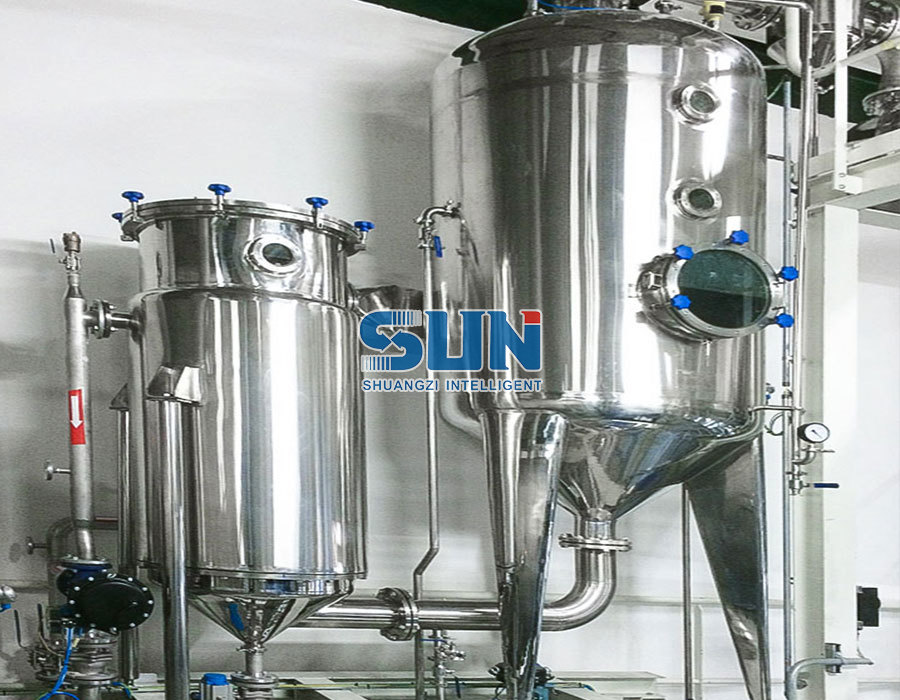
Extraction Vessel Design
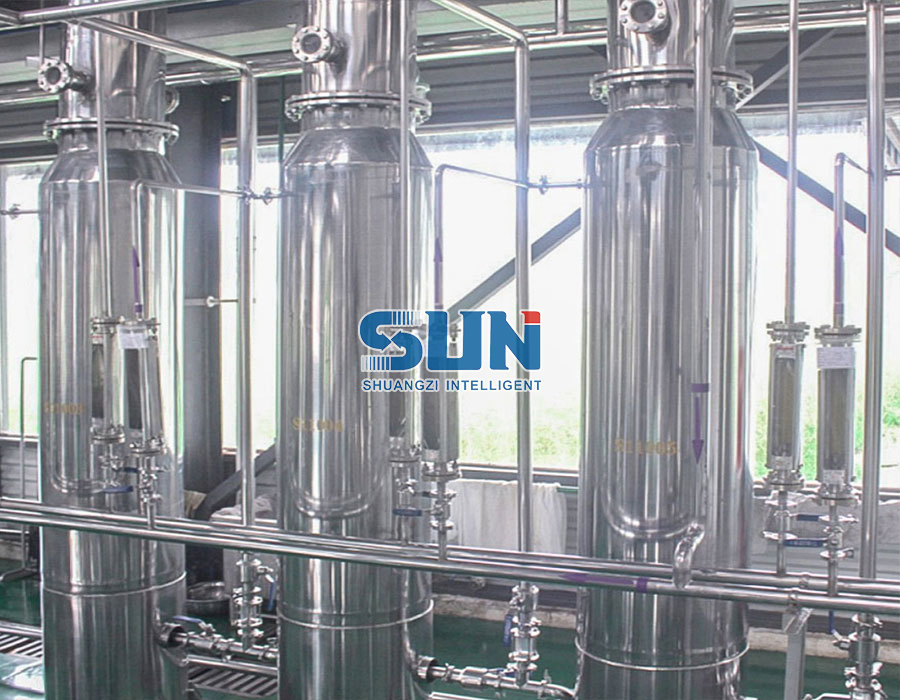
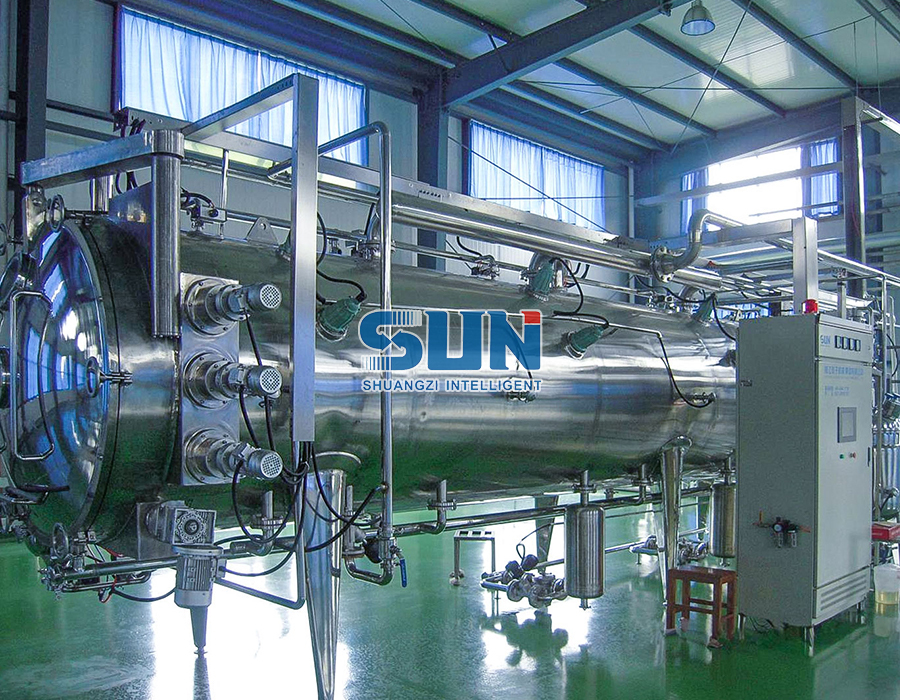
The vessel’s length‑to‑diameter ratio and internal flow distribution determine solvent contact. A poorly designed vessel can leave up to 15% of the biomass unextracted, while a packed bed column with a ratio of 4:1 to 6:1 delivers uniform percolation and near‑complete mass transfer.
Solvent Recovery and Recirculation
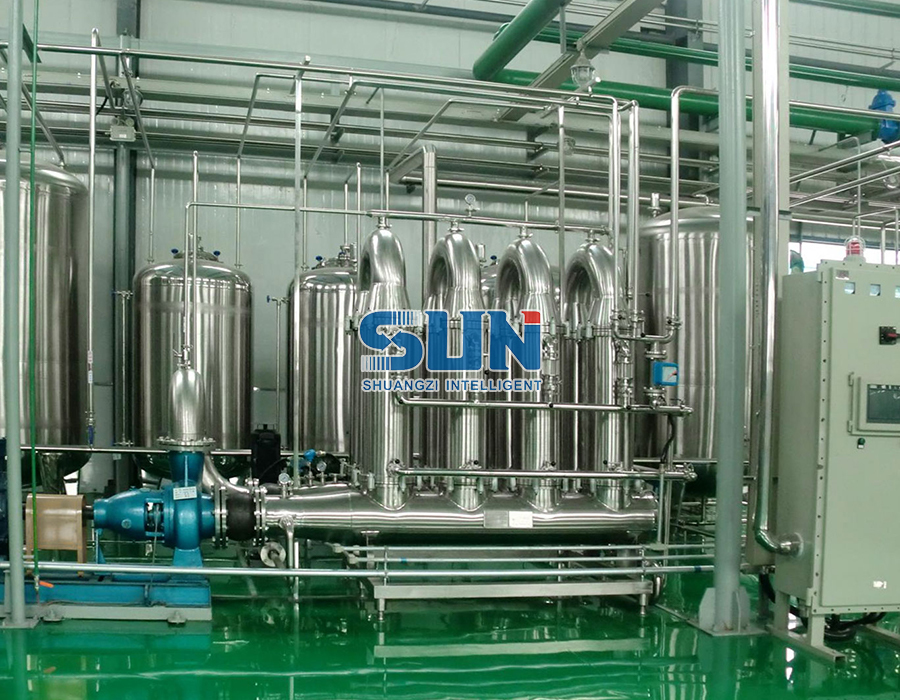
Integrated falling‑film or rotary evaporators in modern plant extraction machines recover over 90% of the solvent in a closed loop. This not only reduces operating costs but also meets emission standards. Data from ethanol‑based extraction lines show that solvent losses can be held below 3 liters per 100 kg of processed material when the system uses a multi‑stage condensation train.
Temperature and Pressure Control Modules
Precise control is critical. A fluctuation of just ±2 °C in a CO₂ extraction column can shift selectivity enough to co‑extract unwanted waxes. Today’s equipment uses PID‑governed heating jackets and back‑pressure regulators to hold parameters within ±0.5 °C and ±1 bar.
Selecting the Right Extraction Machine for Your Botanical Material
Equipment choice begins with a thorough profile of the input material and the final extract specification. The following factors carry the most weight in industrial decision‑making.
- Moisture content – Wet biomass (>12% moisture) can dilute solvent and reduce diffusion rates; pre‑drying to 8–10% moisture typically improves extraction kinetics by 20%.
- Particle size distribution – A range of 0.5–2 mm for percolation systems maximizes surface area without clogging the bed.
- Thermal sensitivity – Compounds such as omega‑3 fatty acids or certain terpenes degrade above 60 °C, making cold‑press or supercritical CO₂ the only viable routes.
- Scale requirements – Pilot systems processing 5–20 kg/day serve R&D and niche products, while production‑scale plant extraction equipment handles 500–2,000 kg/day and demands automated material handling.
- Regulatory compliance – Food‑grade or pharmaceutical extracts require stainless steel construction (AISI 316L), validated clean‑in‑place capability, and documentation packages.
Process Optimization for Higher Yield and Purity
Operators often lock in standard recipes without revisiting critical parameters. Systematic optimization can unlock an additional 5–12% yield on the same extraction machine.
- Pre‑treatment: Enzymatic hydrolysis of cell walls or brief steam explosion increases permeability. In one trial, enzyme‑assisted extraction raised curcuminoid recovery from turmeric by 18% compared to ethanol alone.
- Solvent ratio optimization: A dynamic ethanol‑to‑material ratio of 6:1 (v/w) often yields higher flavonoid content than the static 10:1 ratio, while cutting distillation energy by 25%.
- Pulsed pressure or ultrasound: In CO₂ extraction, short pressure swings between 250 and 350 bar at a frequency of 0.2 Hz can boost mass transfer rates by breaking channeling in the packed bed, lifting overall recovery to above 98%.
- Cycle time reduction: Combining soaking and dynamic flow phases instead of a single long extraction can cut process time by 30–40 minutes while maintaining the same target concentration.
Monitoring extract quality in real time with near‑infrared spectroscopy closes the feedback loop, preventing over‑extraction and unnecessary solvent waste.
Maintenance Practices That Preserve Extraction Equipment Longevity
Neglected maintenance is the single largest cause of performance drift. A well‑maintained plant extraction machine retains its efficiency for over 15 years, while poor upkeep can drop performance by 10% within the first three years.
- Daily: Check gaskets, sight glasses, and pressure relief valves. A single failed O‑ring can introduce air and oxidize heat‑sensitive oils.
- Weekly: Verify solvent recovery condenser performance. A fouled condenser can raise vented solvent losses from 2% to 8%.
- Monthly: Calibrate temperature and pressure transmitters against certified reference gauges. A drift of 1.5 bar in CO₂ systems changes solubility dramatically.
- Quarterly: Run a cleaning‑in‑place cycle with a heated alkaline detergent to remove resin buildup inside extraction columns and piping, restoring heat transfer coefficients.
Safety Integration in Plant Extraction Equipment
Flammable solvents such as ethanol or hexane demand explosion‑proof designs compliant with ATEX or IECEx directives. Modern machines incorporate oxygen sensors, pressure safety valves, and automated nitrogen purging to keep the atmosphere below the lower explosive limit. In supercritical CO₂ extraction, over‑pressure protection must react within 50 milliseconds to prevent vessel rupture at the typical 500‑bar design limit. All electrical enclosures carry IP65 ratings, and emergency shutdown systems are hard‑wired, independent of the PLC, ensuring fail‑safe operation.
Automation and Data Trends Reshaping Extraction Machinery
The shift toward continuous‑flow extraction from batch operations is the most significant trend. Continuous counter‑current extractors paired with membrane‑based solvent recovery now achieve steady‑state yields of 97% while using 30% less energy than equivalent batch systems. Meanwhile, Industry 4.0 integration embeds machine learning to predict optimal extraction endpoints; one pilot installation reduced cycle time variance by 40% and improved extract consistency by 11% after three months of self‑optimization. These technologies are no longer experimental – they are becoming standard in newly commissioned plant extraction equipment, directly tying process data to business outcomes.