
 英语
英语 俄语
俄语Content
- 1 Understanding the Core Function of an Evaporation Concentration Machine
- 2 Working Principles and Process Flow
- 3 Key Types of Evaporation Concentration Machines
- 4 Typical Industrial Applications
- 5 Key Selection Criteria for Practical Use
- 6 Material and Construction Considerations
- 7 Operational Efficiency and Energy Optimization
- 8 Maintenance and Cleaning Practices
- 9 Comparing Common System Configurations
- 10 Practical Implementation and Long-Term Value
Understanding the Core Function of an Evaporation Concentration Machine
An evaporation concentration machine is designed to remove solvent, usually water, from a liquid solution through controlled heating and vaporization. By reducing the solvent content, the machine increases the concentration of dissolved or suspended substances. This process is widely applied in wastewater treatment, chemical processing, food production, and pharmaceutical manufacturing, where volume reduction, resource recovery, or compliance with discharge standards is required.
Unlike simple boiling systems, modern evaporation concentration machines emphasize energy efficiency, stable operation, and precise control over temperature and pressure. These characteristics allow sensitive materials to be concentrated without degradation while ensuring consistent output quality.
Working Principles and Process Flow
The basic working principle relies on heating the feed liquid until the solvent reaches its boiling point, then separating the generated vapor from the concentrated liquid. Depending on the design, heating may be achieved through steam, electric heaters, or heat recovered from other processes. Reduced-pressure systems are often used to lower boiling points and protect heat-sensitive components.
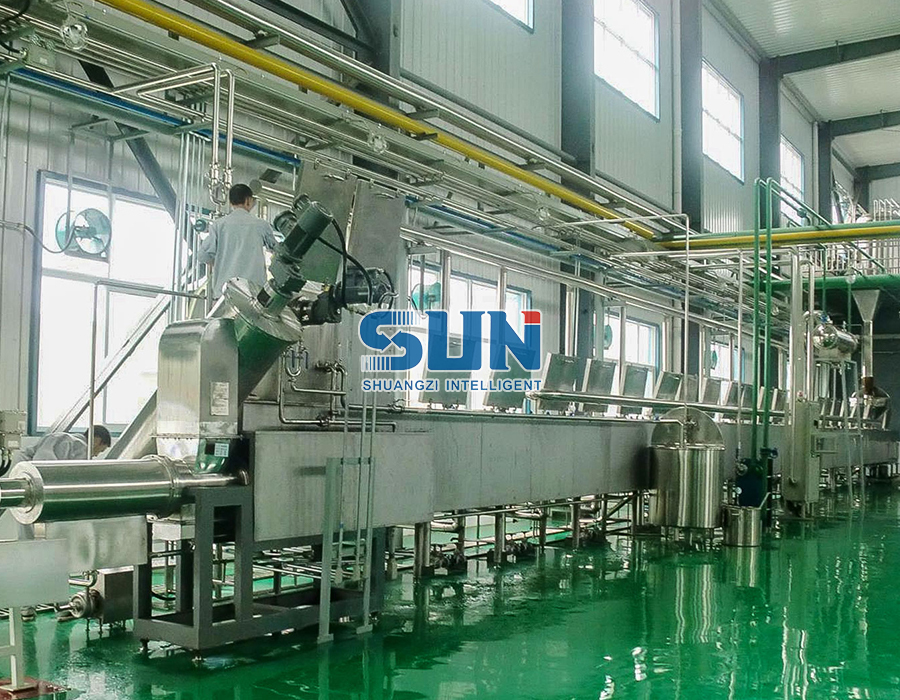
A typical process flow includes feed preheating, evaporation under controlled conditions, vapor condensation, and discharge of the concentrated residue. Automation systems monitor temperature, pressure, and concentration levels to ensure safe and efficient operation throughout the cycle.
Key Types of Evaporation Concentration Machines
Different process requirements have led to multiple equipment configurations. Selecting the right type depends on the nature of the liquid, desired concentration ratio, and available energy sources.
- Single-effect evaporators, suitable for small-scale operations with straightforward concentration needs.
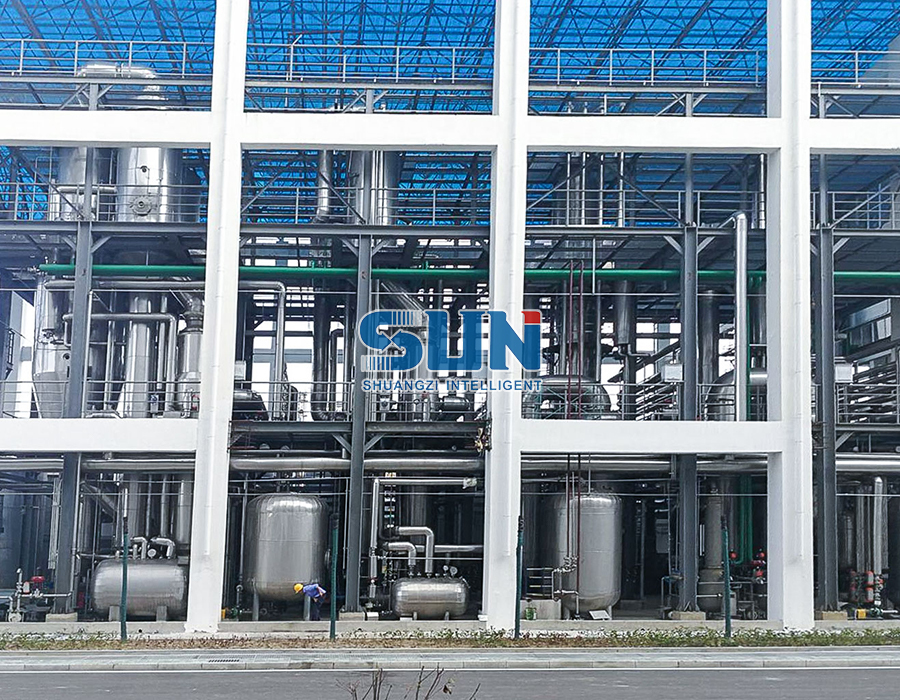
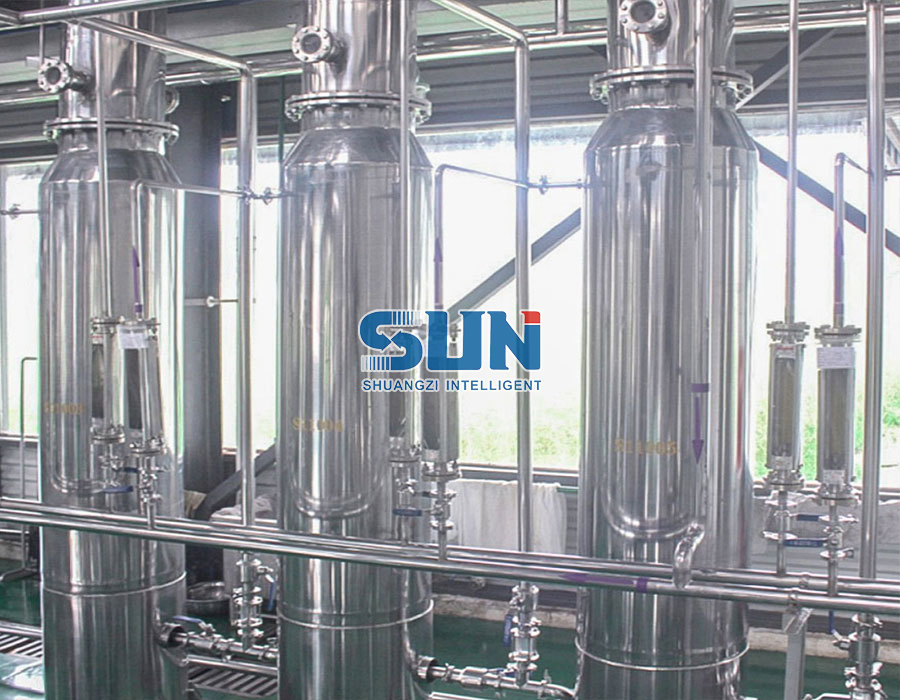
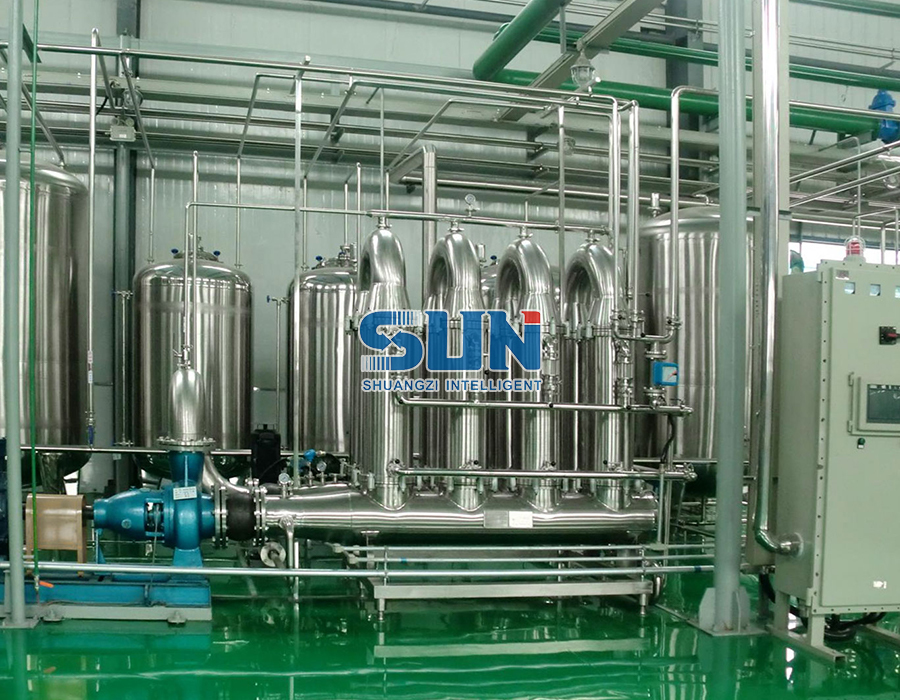
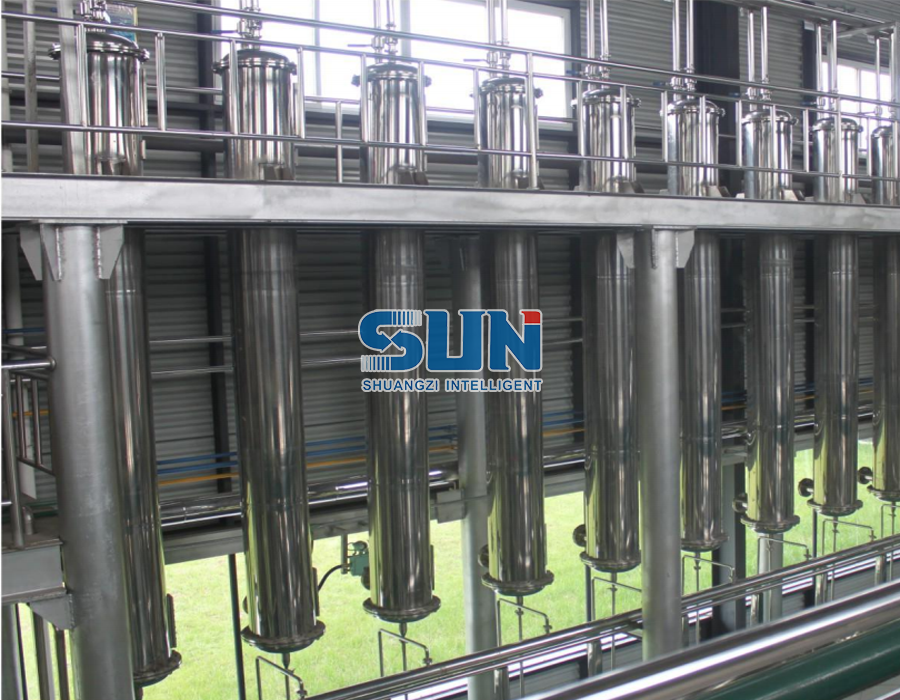
- Multiple-effect evaporators, which reuse vapor energy across stages to significantly reduce steam consumption.
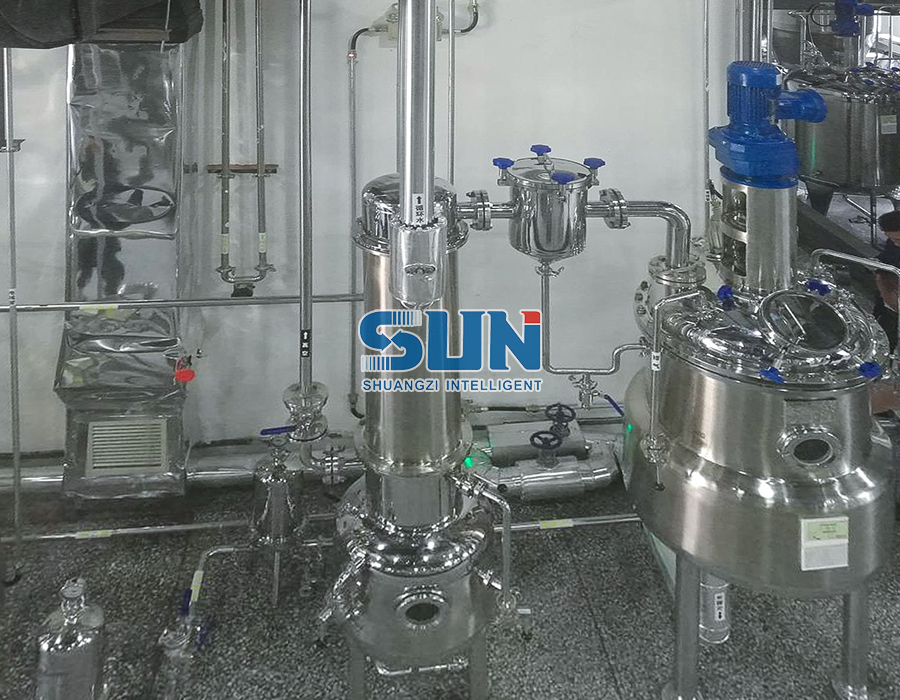
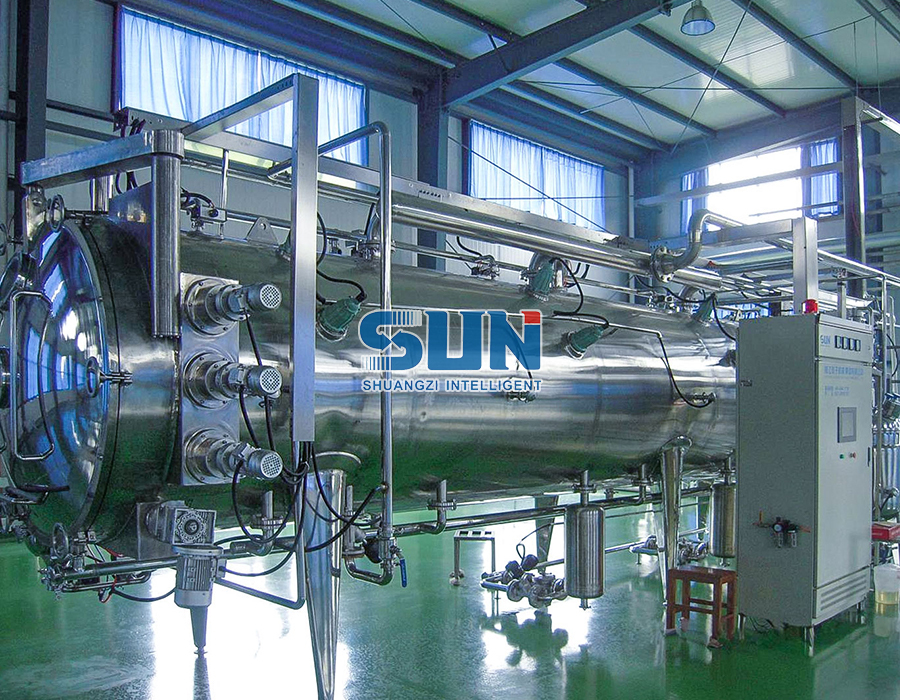
- Vacuum evaporators, designed for low-temperature evaporation of heat-sensitive materials.
- Mechanical vapor recompression systems, emphasizing maximum energy recovery and low operating costs.
Typical Industrial Applications
Evaporation concentration machines are commonly applied where liquid waste streams or process liquids must be reduced in volume or converted into reusable resources. Their adaptability makes them suitable for diverse industrial sectors.
In wastewater treatment, they concentrate high-salinity or high-COD streams, reducing disposal costs. In food and beverage processing, they are used to concentrate juices, syrups, and extracts while preserving flavor and nutritional value. Chemical and pharmaceutical industries rely on precise concentration to prepare intermediates or recover solvents efficiently.
Key Selection Criteria for Practical Use
Choosing an evaporation concentration machine should start with a clear understanding of process requirements. The chemical composition, viscosity, and fouling tendency of the liquid directly influence material selection and system design.
- Target concentration ratio and final product specifications.
- Energy availability and cost, including steam, electricity, or waste heat.
- Space constraints and integration with existing production lines.
- Maintenance requirements and ease of cleaning.
Material and Construction Considerations
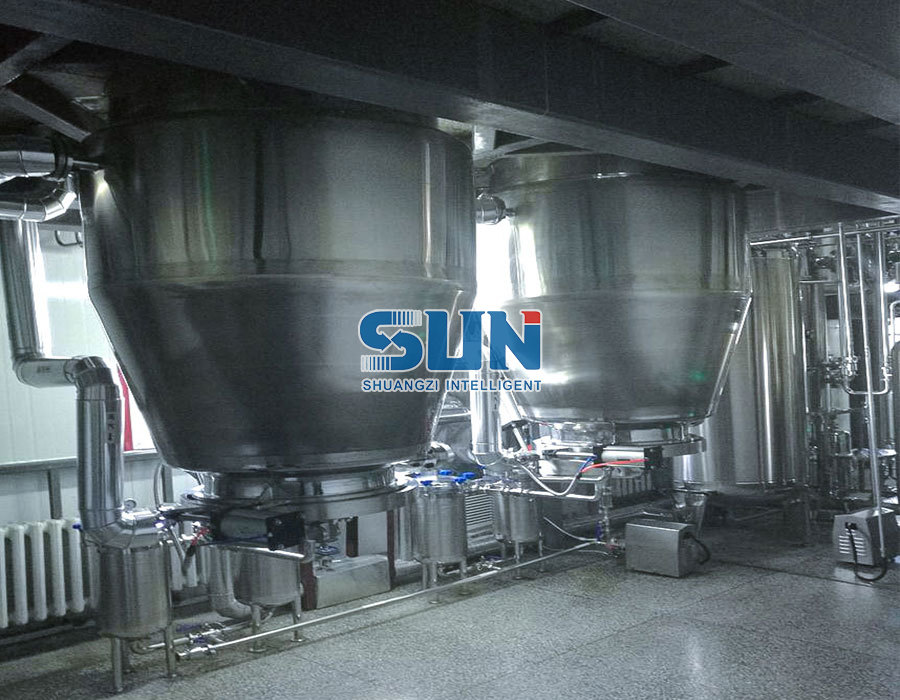
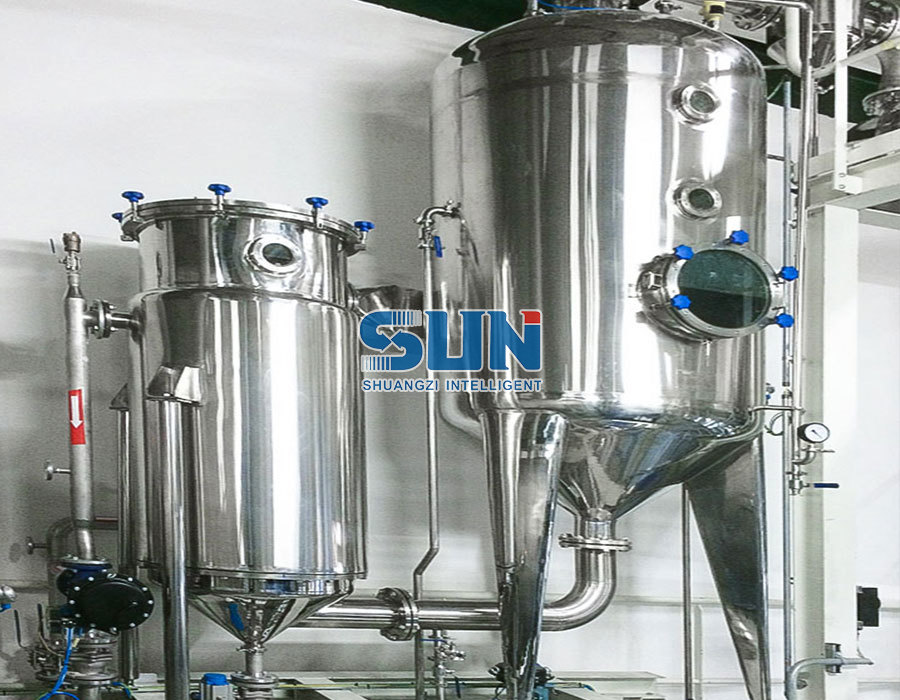
The durability and hygiene of an evaporation concentration machine depend heavily on construction materials. Stainless steel is widely used for its corrosion resistance and cleanability, especially in food and pharmaceutical applications. For aggressive chemicals, specialized alloys or protective linings may be required.
Proper surface finishing reduces fouling and simplifies cleaning, while modular construction allows for future expansion or component replacement without major downtime.
Operational Efficiency and Energy Optimization
Energy consumption is a critical factor in long-term operating costs. Advanced evaporation concentration machines incorporate heat recovery systems to reuse latent heat from vapor condensation. This approach can dramatically reduce steam or electricity demand.
Stable feed flow, proper scaling control, and regular monitoring also contribute to efficient operation. Small process adjustments often lead to measurable energy savings without equipment modification.
Maintenance and Cleaning Practices
Routine maintenance ensures consistent performance and extends equipment lifespan. Fouling and scaling are common challenges, especially when processing high-solid or mineral-rich liquids. Clean-in-place systems simplify cleaning by circulating cleaning solutions without dismantling the unit.
Establishing a preventive maintenance schedule helps identify early signs of wear, leakage, or heat transfer loss, minimizing unexpected shutdowns.
Comparing Common System Configurations
| System Type | Energy Efficiency | Typical Use |
| Single-effect | Moderate | Small-scale processing |
| Multiple-effect | High | Continuous industrial use |
| Vapor recompression | Very high | Energy-sensitive operations |
Practical Implementation and Long-Term Value
Implementing an evaporation concentration machine is not only a technical decision but also a strategic one. When properly selected and operated, it reduces waste volume, recovers valuable materials, and lowers environmental impact. Over time, the balance of capital investment and operating savings often results in strong economic returns.
A practical approach focuses on matching equipment capabilities with real process needs, supported by proper training and maintenance. This ensures the machine delivers consistent performance and long-term value in demanding industrial environments.