
 英语
英语 俄语
俄语Content
- 1 Understanding the Role of a CBD Extraction Machine
- 2 Common Extraction Methods Supported by Machines
- 3 Key Components Inside a CBD Extraction Machine
- 4 How to Select the Right Machine for Your Operation
- 5 Operational Workflow in Daily Use
- 6 Quality Control and Process Optimization
- 7 Maintenance and Safety Considerations
- 8 Comparing Machine Types by Practical Factors
- 9 Planning for Long-Term Scalability
Understanding the Role of a CBD Extraction Machine
A CBD Extraction Machine is designed to separate valuable cannabinoids, particularly cannabidiol, from hemp or cannabis plant material. Its core purpose is to apply controlled physical and chemical processes that isolate CBD while minimizing unwanted compounds such as chlorophyll, waxes, or residual solvents. In practical terms, the machine determines not only extraction efficiency but also oil quality, consistency, and regulatory compliance.
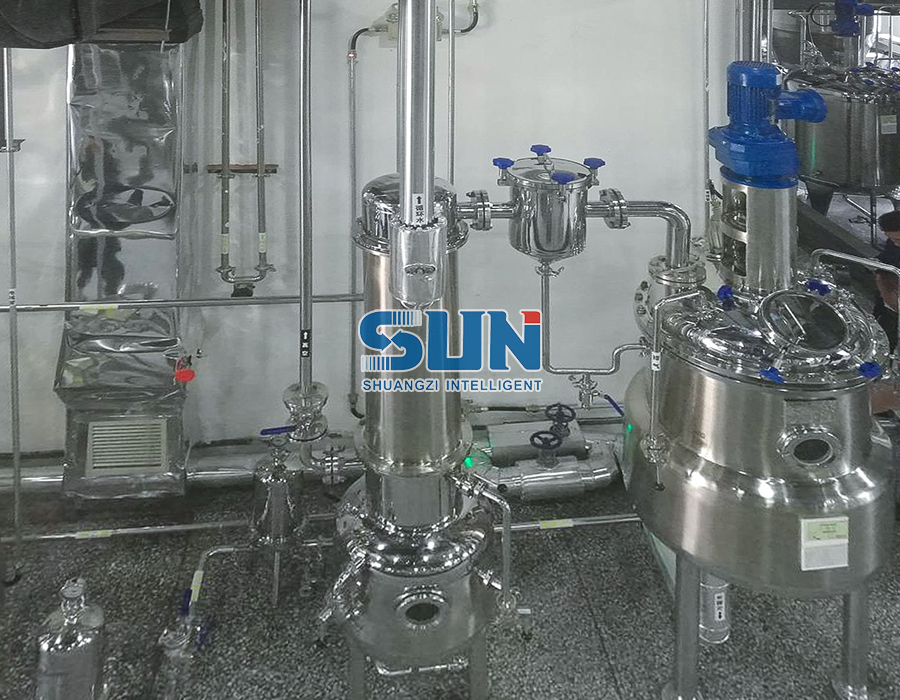
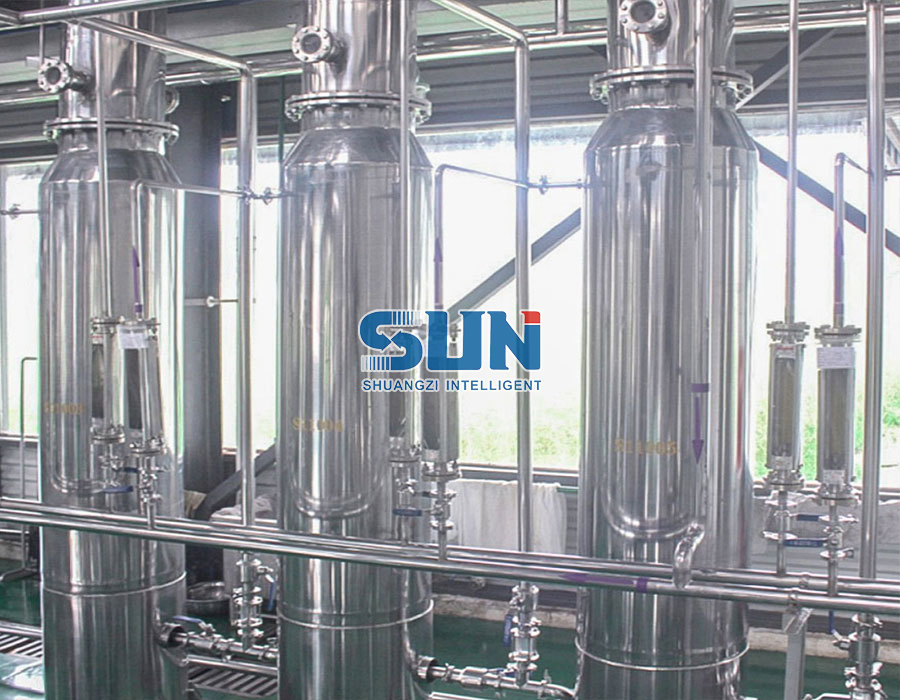
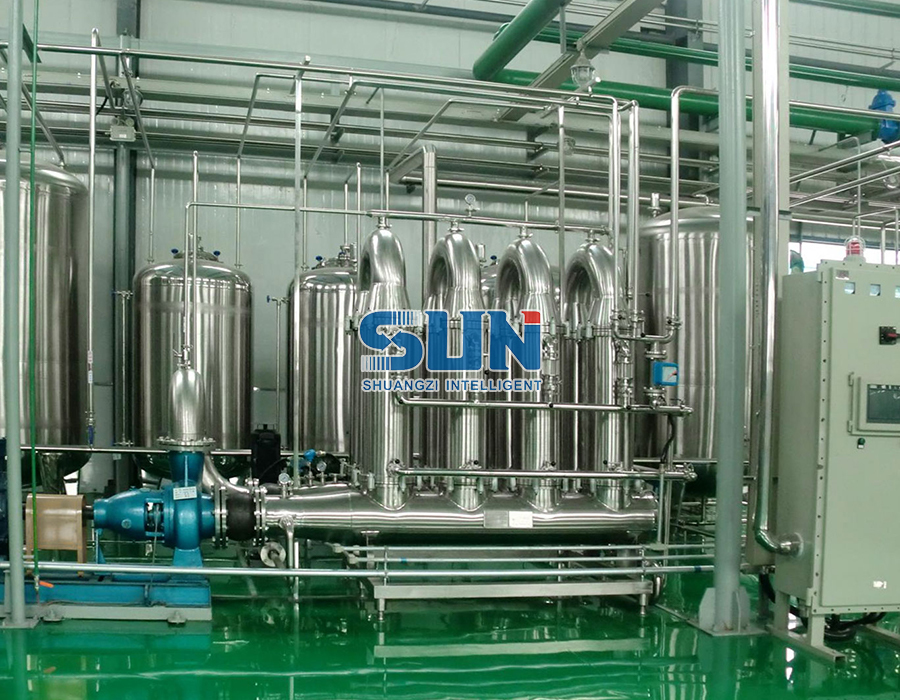
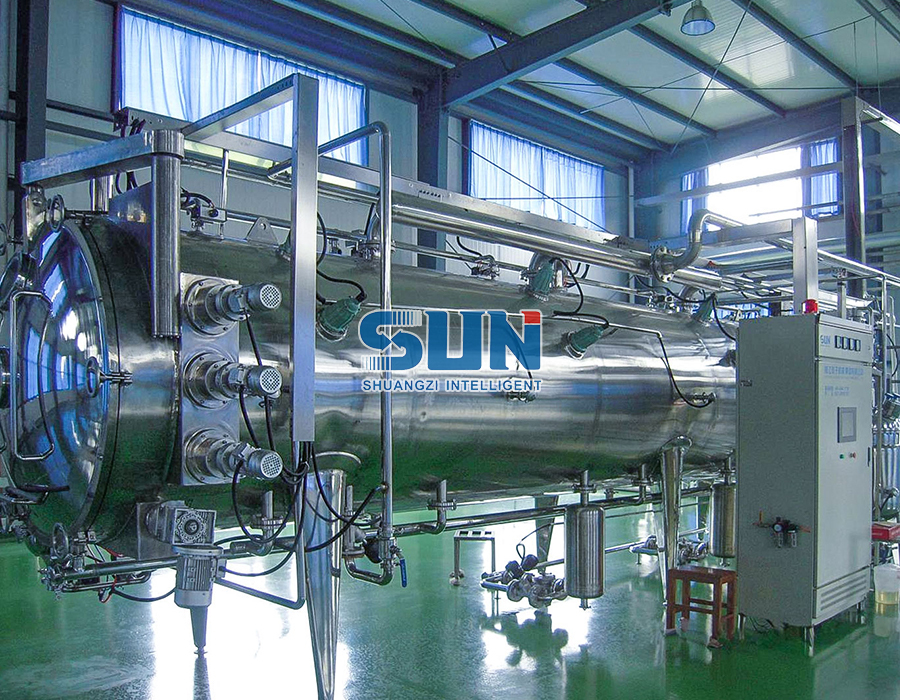
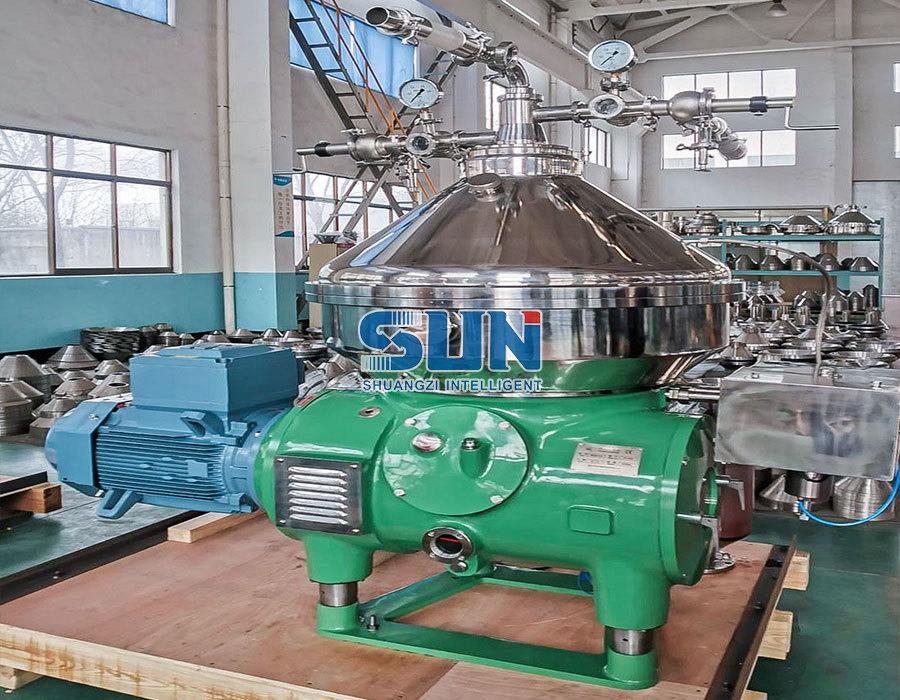
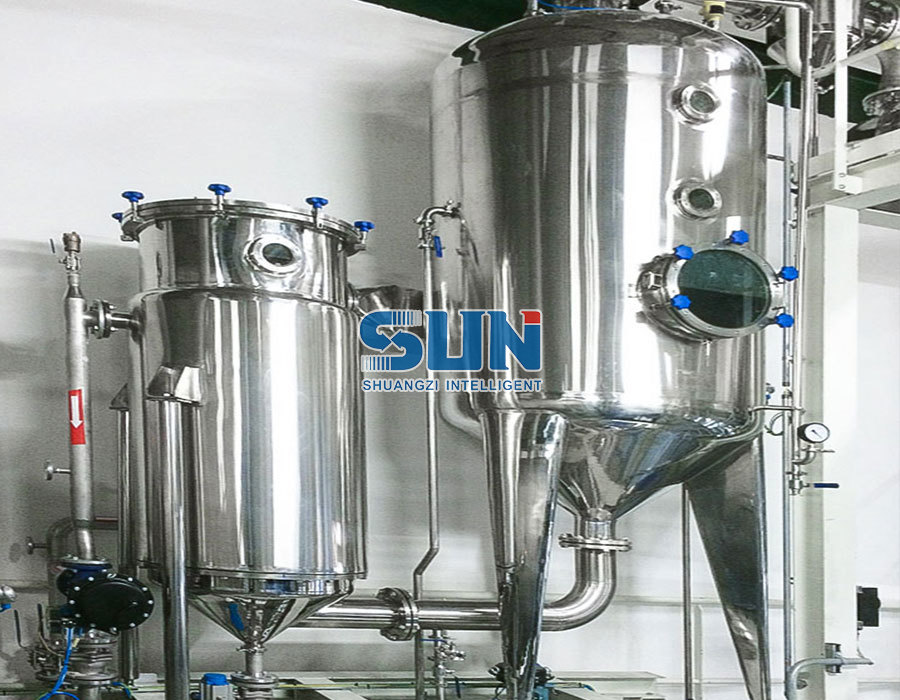
Rather than being a single universal device, a CBD extraction machine is a system made up of extraction vessels, pumps, temperature and pressure controls, and downstream filtration or solvent recovery units. Understanding how these components interact is essential for operators aiming to produce safe, repeatable, and commercially viable CBD extracts.
Common Extraction Methods Supported by Machines
CBD extraction machines are typically built around one primary extraction method. Each method affects cost, throughput, and extract characteristics, making the choice highly application-specific.
CO₂ Extraction Systems
Supercritical CO₂ extraction machines use pressurized carbon dioxide to act as a solvent. By adjusting temperature and pressure, operators can target cannabinoids with high precision. CO₂ systems are valued for their cleanliness and solvent-free end product, but they require higher upfront investment and trained operators.
Ethanol Extraction Equipment
Ethanol-based CBD extraction machines rely on food-grade alcohol to dissolve cannabinoids. These systems are often favored for their scalability and faster processing times. However, they typically require additional post-processing, such as winterization, to remove waxes and fats.
Hydrocarbon Extraction Units
Machines using hydrocarbons like butane or propane can produce highly potent extracts. They are efficient but demand strict safety controls due to flammability. As a result, these machines are usually operated in specialized facilities with appropriate certifications.
Key Components Inside a CBD Extraction Machine
While configurations vary, most CBD extraction machines share several core components that directly affect performance and reliability.
- Extraction vessel: Holds plant material and withstands pressure, temperature, or solvent exposure.
- Pump system: Circulates CO₂ or solvent through the biomass at controlled rates.
- Separator or collection chamber: Allows cannabinoids to precipitate out of the solvent.
- Solvent recovery unit: Reclaims and recycles solvents to reduce operating costs.
How to Select the Right Machine for Your Operation
Choosing a CBD extraction machine should start with production goals rather than marketing claims. Capacity requirements, target extract type, and regulatory environment all play decisive roles.
Small-scale producers often prioritize compact ethanol systems due to lower entry costs, while larger facilities may justify CO₂ machines for their precision and solvent-free labeling advantages. Energy consumption, maintenance complexity, and operator training should also be evaluated before purchase.
Operational Workflow in Daily Use
Operating a CBD extraction machine typically follows a repeatable workflow designed to maintain consistency and safety. Raw biomass is first prepared through drying and milling to achieve uniform particle size. This step directly impacts solvent penetration and extraction yield.
Once loaded, extraction parameters such as temperature, pressure, and run time are set according to validated procedures. After extraction, crude oil is collected and transferred for post-processing steps like filtration, solvent evaporation, or distillation.
Quality Control and Process Optimization
A CBD extraction machine alone does not guarantee quality. Regular testing of extracts for cannabinoid profile, residual solvents, and contaminants is essential. Data from these tests can be used to fine-tune machine settings and improve repeatability.
Process optimization often involves adjusting flow rates or extraction cycles rather than pushing machines to maximum capacity. This approach can improve yield per batch while extending equipment lifespan.
Maintenance and Safety Considerations
Routine maintenance is critical for safe and efficient operation of any CBD extraction machine. Seals, valves, and pressure-rated components should be inspected regularly to prevent leaks or performance loss.
Safety protocols should be documented and enforced, especially when handling pressurized systems or flammable solvents. Proper ventilation, grounding, and emergency shutdown procedures are not optional but fundamental to responsible operation.
Comparing Machine Types by Practical Factors
| Extraction Method | Typical Throughput | Operational Complexity |
| CO₂ | Medium | High |
| Ethanol | High | Medium |
| Hydrocarbon | Medium | High |
Planning for Long-Term Scalability
When investing in a CBD extraction machine, scalability should be considered from the outset. Modular systems or machines that integrate easily with downstream equipment can reduce future upgrade costs. Planning utilities, floor space, and workflow layout early helps avoid costly reconfigurations later.
Ultimately, the most effective CBD extraction machine is one that aligns with production goals, regulatory expectations, and the operator’s technical capabilities, delivering consistent results without unnecessary complexity.