
 英语
英语 俄语
俄语Content
- 1 Why Sustainable Extraction Matters Now
- 2 Supercritical CO₂ Extraction: Clean, Precise, and Solvent-Free
- 3 Ultrasonic and Microwave-Assisted Extraction: Speed with Less Waste
- 4 Closed-Loop Solvent Recovery: Towards Zero Waste Extraction
- 5 MVR Evaporation Technology: Redefining Energy Efficiency in Concentration
- 6 Automation and IoT Integration: Smarter Extraction for a Greener Future
- 7 Choosing the Right Eco-Friendly Extraction Equipment
The plant extraction industry is undergoing a fundamental shift. As global consumers increasingly demand clean-label, naturally derived products, manufacturers face mounting pressure to rethink how they extract bioactive compounds from plant materials. The answer lies not just in what is extracted, but how it is extracted—and the equipment behind that process is evolving rapidly.
Sustainable extraction is no longer a niche concern. It is fast becoming the standard expectation across pharmaceuticals, nutraceuticals, cosmetics, and food processing alike. Understanding the latest eco-friendly innovations in plant extraction equipment is essential for any facility looking to stay competitive, compliant, and responsible.
Why Sustainable Extraction Matters Now
The global push toward greener manufacturing has reached every corner of the natural products industry. According to recent market analysis, the adoption of solvent-free extraction technologies is rising, with more than 40% of manufacturers already shifting toward eco-friendly and sustainable methods. Meanwhile, demand for plant-derived bioactive compounds has increased by 45%, particularly across pharmaceuticals and dietary supplements.
Regulatory frameworks are adding further urgency. In Europe, the EU's REACH regulations are pushing innovation in solvent-free extraction methods, while quality standards in North America compel manufacturers to adopt sophisticated equipment that ensures safety and consistency. Beyond compliance, there is a clear commercial incentive: over 55% of global consumers now prefer natural and herbal products, creating sustained demand for cleaner, traceable extraction processes.
For equipment manufacturers and processing facilities alike, this convergence of consumer demand, regulation, and environmental responsibility makes investing in sustainable extraction technology not just ethical—but strategically sound.
Supercritical CO₂ Extraction: Clean, Precise, and Solvent-Free
Supercritical CO₂ (sCO₂) extraction has emerged as one of the most widely adopted green extraction technologies, currently holding over 35% of the plant extraction equipment market share. Its appeal is straightforward: CO₂ is non-toxic, non-flammable, readily available, and leaves zero solvent residue in the final extract.
Modern sCO₂ systems have advanced far beyond early iterations. Today's equipment incorporates precision control systems with advanced automation, allowing operators to fine-tune temperature, pressure, and flow rates with remarkable accuracy. This translates directly into higher yield consistency and superior extract purity—critical requirements for pharmaceutical-grade applications.
The environmental credentials of CO₂ extraction are equally compelling. The CO₂ used in the process can be captured and recycled in a closed loop, minimizing atmospheric release. For facilities processing hemp, botanicals, or essential oils, including those operating a CBD extraction production line, supercritical CO₂ systems represent a best-in-class combination of product quality and ecological responsibility.
Ultrasonic and Microwave-Assisted Extraction: Speed with Less Waste
Two newer technologies—ultrasonic-assisted extraction (UAE) and microwave-assisted extraction (MAE)—are gaining rapid traction for their ability to dramatically reduce both processing time and solvent consumption compared to conventional methods.
Ultrasonic extraction works by generating high-frequency sound waves that create cavitation bubbles in the solvent. When these bubbles collapse, they release intense localized energy that disrupts plant cell walls, releasing target compounds more efficiently. The result is a gentler extraction process that preserves compound integrity while requiring significantly less solvent—making it inherently more sustainable.
Microwave-assisted extraction takes a different approach: microwave energy heats the solvent and plant matrix simultaneously, accelerating solvent penetration and compound release. MAE systems can target specific compounds with selective heating, reducing overall energy consumption while improving yield. Innovations in MAE are also exploring the use of environmentally friendly solvents, aligning with the broader industry movement toward greener chemistry.
The table below offers a comparative overview of these two technologies alongside traditional solvent extraction:
| Technology | Solvent Use | Energy Efficiency | Processing Speed | Eco Rating |
|---|---|---|---|---|
| Traditional Solvent Extraction | High | Low | Slow | Poor |
| Supercritical CO₂ | None (CO₂) | Moderate–High | Moderate | Excellent |
| Ultrasonic-Assisted (UAE) | Low | High | Fast | Very Good |
| Microwave-Assisted (MAE) | Low–Moderate | High | Very Fast | Very Good |
Closed-Loop Solvent Recovery: Towards Zero Waste Extraction
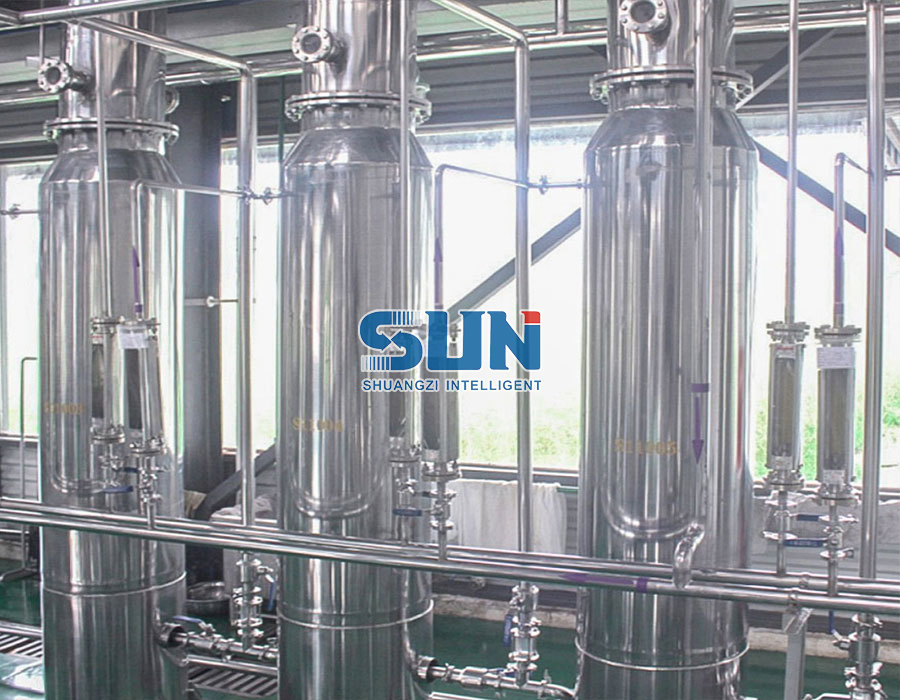
For facilities that still rely on ethanol or other organic solvents—particularly in large-scale traditional Chinese medicine or botanical extract production—closed-loop solvent recovery systems represent the most impactful single upgrade available. Rather than allowing solvents to evaporate or be discharged as waste, closed-loop systems capture, condense, and return solvent to the process in a continuous cycle.
The environmental and economic benefits are substantial. Solvent loss is minimized, reducing both raw material costs and hazardous waste disposal requirements. Closed-loop designs also significantly reduce VOC (volatile organic compound) emissions, addressing one of the primary environmental criticisms historically leveled at solvent-based extraction.
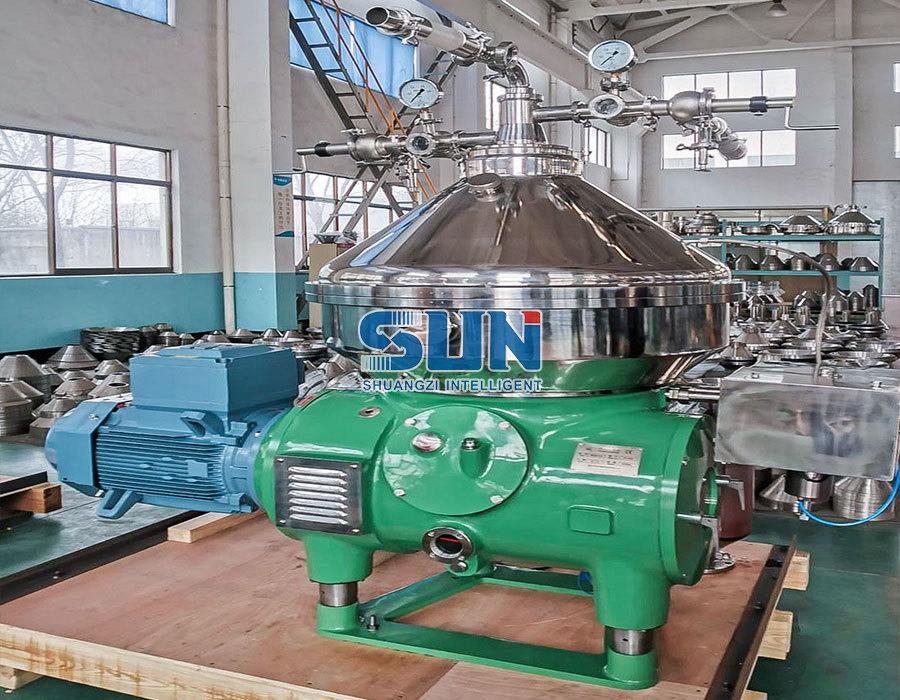
Modern extraction machines designed with closed-loop capability also improve operator safety by eliminating open-air solvent exposure. For facilities navigating tightening occupational health regulations, this is an increasingly important consideration alongside the ecological benefits.
MVR Evaporation Technology: Redefining Energy Efficiency in Concentration
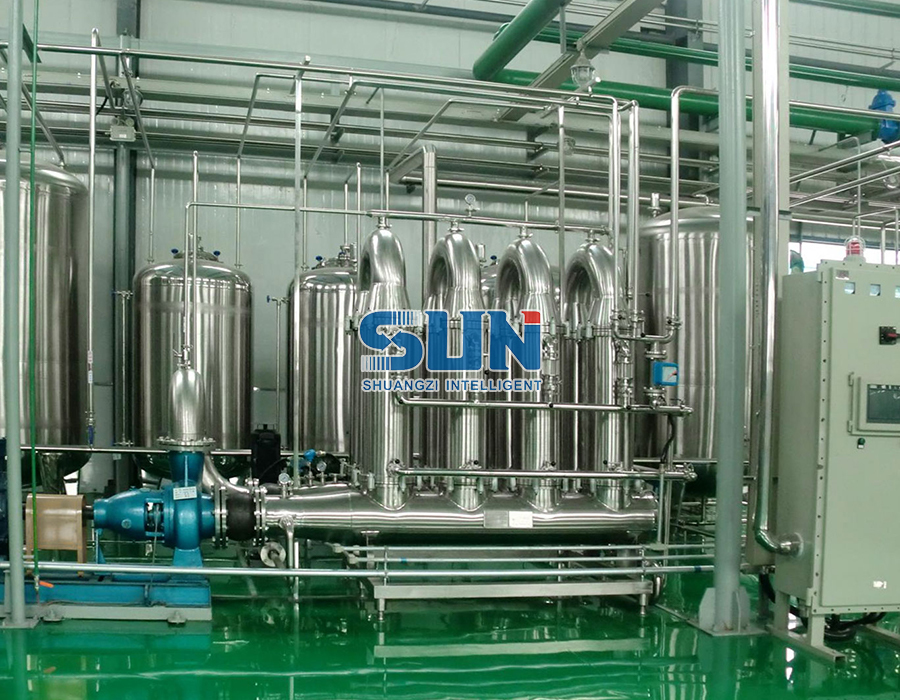
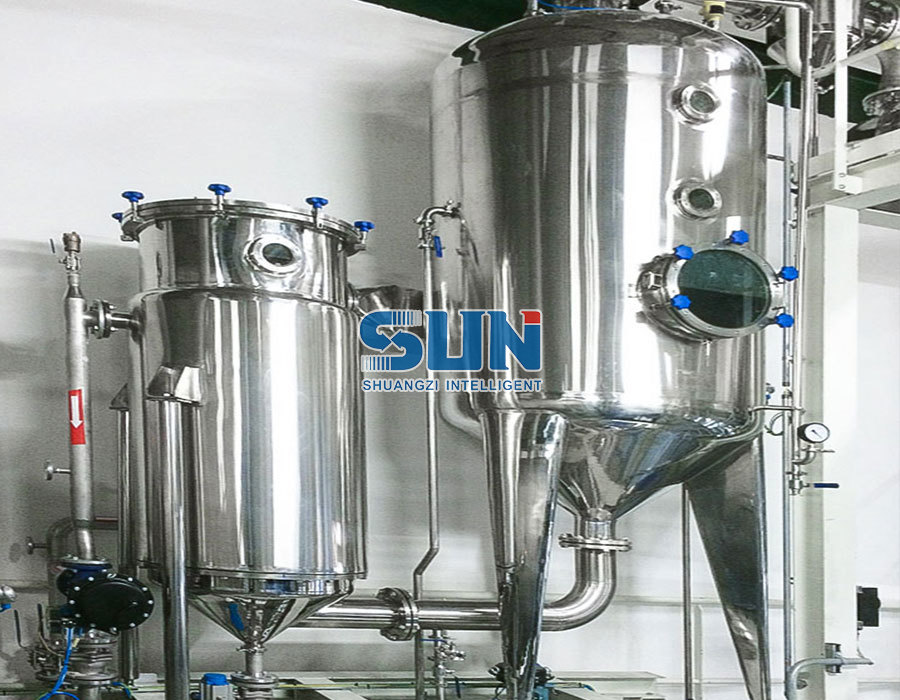
Once extraction is complete, concentrating the liquid extract is typically one of the most energy-intensive steps in the entire process. Traditional multi-effect evaporators consume substantial quantities of steam and cooling water. Mechanical Vapor Recompression (MVR) evaporation technology fundamentally changes this equation.
MVR systems work by recycling the secondary steam generated during evaporation. A compressor elevates the pressure and temperature of this steam, allowing it to be reused as the heating source for the next evaporation cycle. The practical result is dramatic: MVR evaporators can reduce energy consumption by 70–90% compared to conventional single-effect evaporators, while maintaining consistent product quality and concentration efficiency.
For large-scale botanical extract manufacturers processing high volumes of liquid extract daily, the energy savings from MVR technology translate into significant reductions in both operational costs and carbon footprint. A well-specified concentration machine incorporating MVR technology can be transformative for a facility's sustainability profile—and its bottom line.
Automation and IoT Integration: Smarter Extraction for a Greener Future
Across all extraction technologies, automation and digital integration are emerging as powerful enablers of sustainability. More than 60% of manufacturers are investing in automation and process standardization to maintain consistency in plant extract purity—and the environmental dividends of this trend are equally significant.
Automated extraction systems reduce human error, minimizing off-spec batches that result in wasted plant material, solvents, and energy. Precise process control means each run operates at optimal parameters, avoiding the excess solvent use and energy consumption that characterizes less consistent manual operations.
The integration of IoT (Internet of Things) sensors and data analytics takes this further. Real-time monitoring of key parameters—temperature, pressure, flow rate, solvent concentration—enables predictive maintenance and continuous process optimization. Operators can identify inefficiencies before they become waste, and machine learning algorithms can refine extraction conditions over time based on accumulated run data.
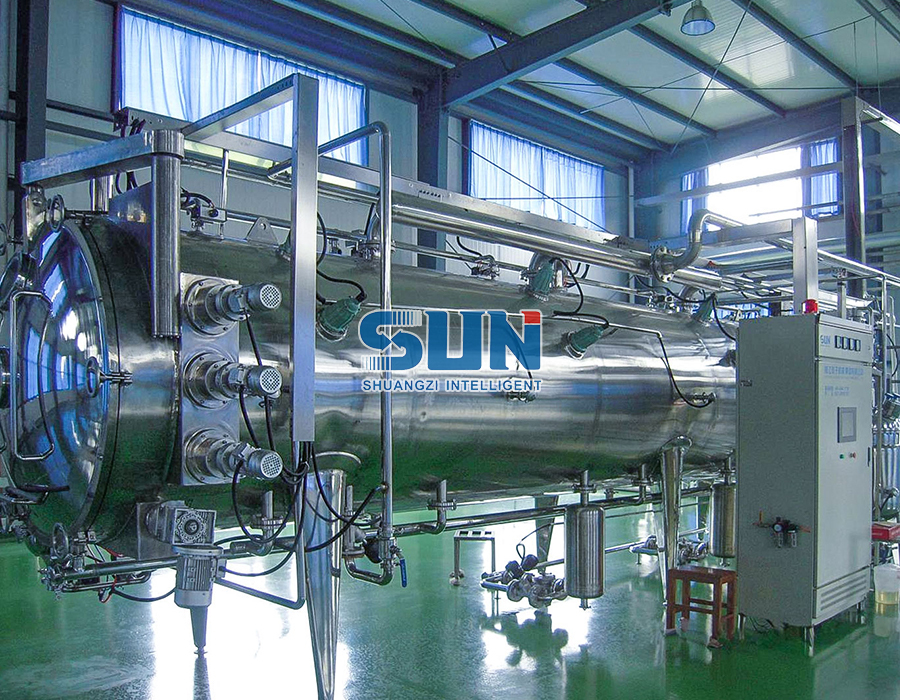
A fully integrated plant extraction production line that combines automated extraction, closed-loop solvent recovery, MVR concentration, and IoT monitoring represents the current frontier of sustainable extraction engineering. Such systems deliver not only environmental benefits but measurably superior product consistency—an increasingly important commercial differentiator in regulated markets.
Choosing the Right Eco-Friendly Extraction Equipment
Selecting sustainable extraction equipment is not a one-size-fits-all decision. The right configuration depends on the specific plant material being processed, the target compounds, required throughput, and the regulatory environment in which the facility operates. However, several principles apply broadly.
First, prioritize solvent minimization. Whether through supercritical CO₂, ultrasonic, or microwave-assisted methods, reducing or eliminating solvents cuts waste at the source—this is always preferable to managing solvent waste after the fact. Second, evaluate energy consumption across the entire process chain, not just the extraction stage. MVR evaporation and heat recovery systems can deliver sustainability gains that dwarf those achievable by optimizing the extraction step alone.
Third, consider scalability. Modular extraction systems that can be expanded as production grows prevent premature equipment obsolescence and allow facilities to invest incrementally rather than committing to oversized capacity upfront. Finally, assess the availability of automation and remote monitoring capabilities—these are no longer luxury features but practical requirements for maintaining consistent quality and compliance in modern extraction operations.
The global plant extraction equipment market is projected to grow at a CAGR of approximately 8–10% over the next five years, driven precisely by this demand for more efficient, sustainable, and intelligent processing solutions. Facilities that invest in eco-friendly extraction technology today are not simply meeting regulatory requirements—they are positioning themselves at the forefront of an industry in transition.