
 英语
英语 俄语
俄语Content
What Are Tea Polyphenols and Why Antioxidant Yield Matters
Tea polyphenols (TPPs) are a group of bioactive compounds naturally concentrated in the leaves of Camellia sinensis, accounting for roughly 10–40% of dry leaf weight. The most biologically significant among them are catechins — particularly epigallocatechin gallate (EGCG), epicatechin gallate (ECG), epigallocatechin (EGC), and epicatechin (EC). These compounds are responsible for the well-documented antioxidant, anti-inflammatory, anti-carcinogenic, and antimicrobial properties that make tea extract so valuable across the nutraceutical, pharmaceutical, cosmetic, and functional food industries.
Antioxidant yield — the quantity and biological activity of polyphenols recovered from raw tea material — is the single most important metric in commercial extraction. A higher yield means more active ingredient per kilogram of input, lower raw material costs, and more potent finished products. The challenge is that polyphenols are heat-sensitive and chemically reactive; the wrong extraction process can degrade them before they ever reach the end product. This is precisely where extraction equipment makes the decisive difference.
Why Conventional Extraction Methods Fall Short
For centuries, hot water brewing has been the default method for releasing polyphenols from tea leaves. While simple and low-cost, conventional approaches — including boiling, Soxhlet extraction, and cold-water steeping — carry significant limitations for industrial-scale polyphenol production.
- Thermal degradation: Extended exposure to high temperatures (above 80°C) breaks down EGCG and other heat-sensitive catechins, directly reducing antioxidant activity in the final extract.
- Long processing times: Cold water extraction can require 24 hours or more to achieve yields that modern equipment achieves in under 30 minutes.
- High solvent consumption: Traditional solvent-based methods consume large volumes of ethanol or methanol, raising both cost and environmental burden.
- Incomplete cell disruption: Without mechanical or wave-based energy, cell walls remain partially intact, leaving a significant fraction of polyphenols inaccessible to the solvent.
The result is a yield ceiling that limits product quality and profitability. Modern extraction equipment was engineered specifically to break through that ceiling.
How Modern Extraction Equipment Maximizes Antioxidant Yield
Advanced extraction technologies use physical energy — sound waves, microwaves, or pressurized fluids — to disrupt tea leaf cell structures more thoroughly and transfer polyphenols into solution faster, with less heat and less solvent. Here is how the three leading technologies compare:
| Technology | Typical Extraction Time | Antioxidant Yield Advantage | Best Suited For |
|---|---|---|---|
| Ultrasound-Assisted (UAE) | 15–30 min | Up to 13% higher TPC vs. conventional; EGCG yield nearly doubled vs. hot water | High-purity catechin extraction; green & white tea |
| Microwave-Assisted (MAE) | 30 sec – 60 min | TPC up to 51.21 mg GAE/g at optimized conditions; 88% DPPH radical reduction | Rapid batch processing; black & oolong tea |
| Supercritical Fluid (SFE) | 60–180 min | Antioxidant activity up to 50% extraction yield; high selectivity for target compounds | Solvent-free, pharmaceutical-grade extracts |
Ultrasound-Assisted Extraction (UAE) Equipment
UAE systems generate high-frequency acoustic waves (typically 20–40 kHz) that create microscopic cavitation bubbles within the liquid. When these bubbles collapse, the resulting shockwaves physically rupture tea leaf cells, releasing polyphenols rapidly into solution. Research has shown that UAE at an optimized liquid-to-solid ratio of 36:1 (mL/g) and 461.5 W ultrasonic power achieves a total phenolic content of 243 mg GAE/g dry weight — 13% above pre-optimization levels — while completing extraction in just 21 minutes. UAE also suppresses unwanted caffeine co-extraction, making it particularly valuable for producers targeting clean-label, high-purity catechin concentrates. You can explore our extraction equipment solutions built for UAE-based tea polyphenol production.
Microwave-Assisted Extraction (MAE) Equipment
MAE reactors use controlled microwave energy (150–900 W) to heat the solvent-leaf matrix from within, accelerating molecular diffusion of polyphenols into solution. Unlike conventional heating which works from the outside in, microwave energy penetrates uniformly, shortening processing time to as little as 6 minutes while maintaining antioxidant integrity. Under optimized conditions of 600 W power, 75°C, and 30 mL/g solvent-to-solid ratio, MAE delivers TPC content of 51.21 mg GAE/g tea — with antioxidant nanoparticles derived from the extract exhibiting an 88% reduction in DPPH free radicals. MAE is well-suited for continuous or high-throughput industrial operations where processing speed is a priority.
Supercritical Fluid Extraction (SFE) Equipment
SFE uses supercritical CO₂ — maintained above its critical temperature and pressure — as a "tunable" solvent with zero organic solvent residue. By adjusting pressure and temperature, operators can selectively extract specific polyphenol fractions while leaving behind chlorophyll, caffeine, and other unwanted components. SFE is the premium choice for pharmaceutical and nutraceutical manufacturers where purity, regulatory compliance, and solvent-free certification are non-negotiable. When combined with UAE in a sequential process, SFE has achieved extraction yields of 15–16% in just 95 minutes — significantly faster than 180-minute heat reflux methods while using 43 mL less solvent per batch.
Key Equipment Parameters That Drive Higher Polyphenol Output
Regardless of the technology chosen, maximizing antioxidant yield requires precise control over four interrelated process parameters. The right equipment provides automated, real-time control of each:
- Temperature: The optimal extraction temperature varies by method — MAE typically operates between 80–200°C in short bursts, while UAE performs best below 55°C to prevent antioxidant degradation. Equipment with programmable temperature curves protects heat-sensitive EGCG fractions throughout the cycle.
- Power / Energy Input: UAE systems require frequency tuning (26 kHz vs. 40 kHz configurations yield different efficiencies depending on tea variety). MAE reactors calibrated at 500–600 W consistently outperform lower-power settings for catechin yield. Precision power control is therefore a core equipment specification, not an optional feature.
- Liquid-to-Solid Ratio: A ratio of 36:1 (mL/g) has been identified as optimal for UAE systems. Equipment that maintains consistent solid-liquid contact — through tank geometry, agitation design, or flow-through configurations — ensures uniform extraction across the full batch volume.
- Extraction Time: More time does not always mean more yield. Beyond the optimal extraction window, polyphenol oxidation accelerates. Equipment with programmable cycle timers and automated stop points prevents over-extraction and preserves antioxidant activity in the final concentrate.
Industrial-grade equipment integrates these four variables into a single automated control system, removing operator variability and enabling batch-to-batch reproducibility — a critical requirement for GMP-certified production environments.
Choosing the Right Tea Polyphenols Extraction Equipment
Selecting extraction equipment is not simply a matter of picking the most advanced technology. The right choice depends on your production goals, regulatory environment, and downstream purification process. Consider the following decision framework:
- If your priority is throughput: MAE systems with continuous-flow reactor designs deliver the fastest cycle times and highest batch volumes per hour, ideal for bulk tea extract production.
- If your priority is purity: UAE combined with deep eutectic solvents (DES) or SFE with supercritical CO₂ produces pharmaceutical-grade extracts with minimal co-contaminants and no organic solvent residue.
- If you need scalability: Look for modular extraction systems that can be configured for pilot-scale trials and scaled to full production without process re-validation. Turnkey EPC/EPCM project delivery — covering design, installation, and commissioning — eliminates integration risk.
- If regulatory compliance is critical: Verify that equipment meets ISO 9001, CE, and ASME certifications, and that the manufacturer can support GMP-aligned documentation for your production line.
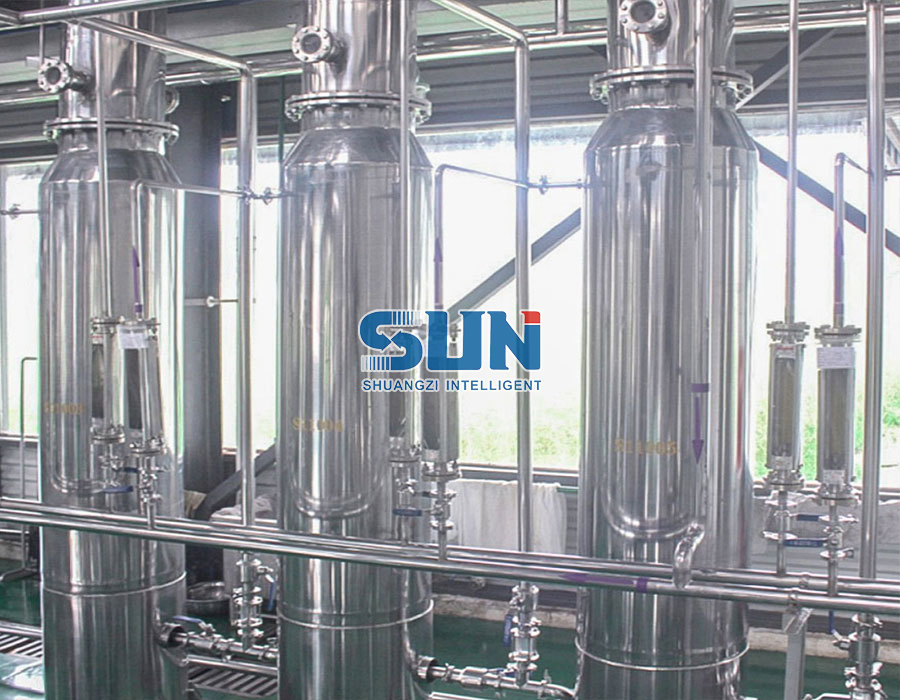
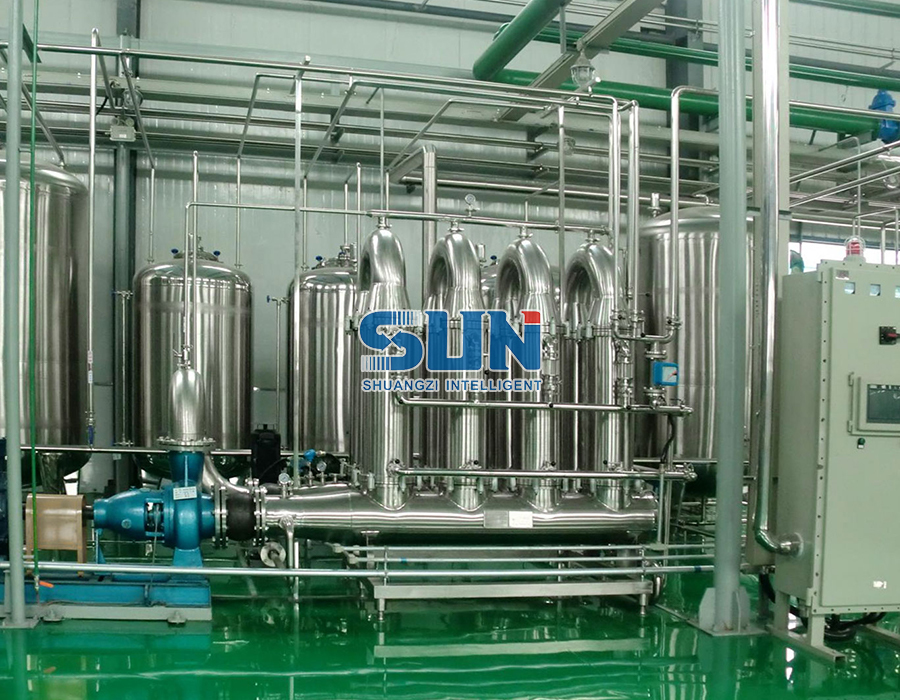
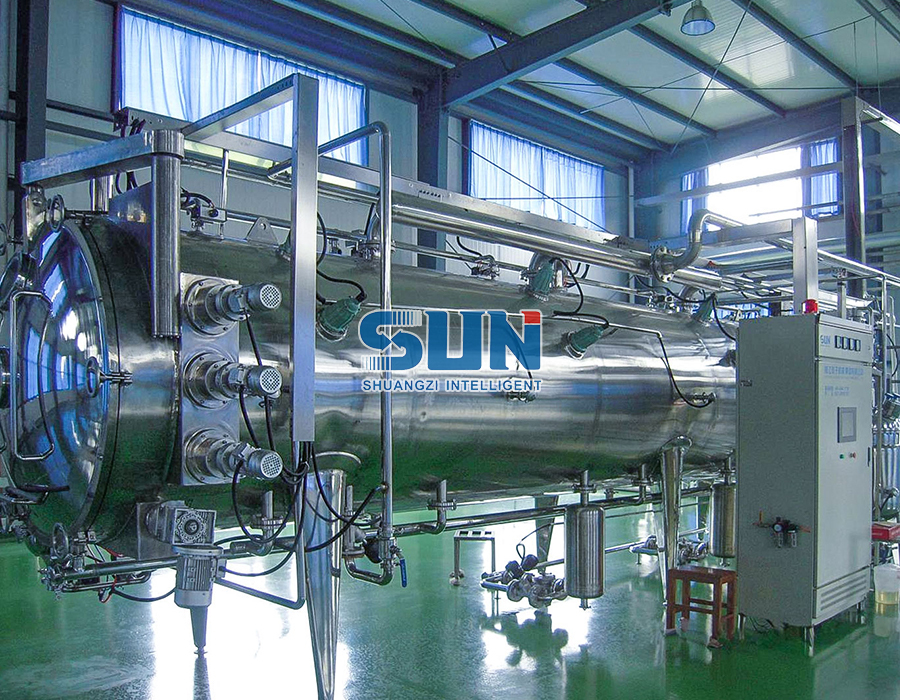
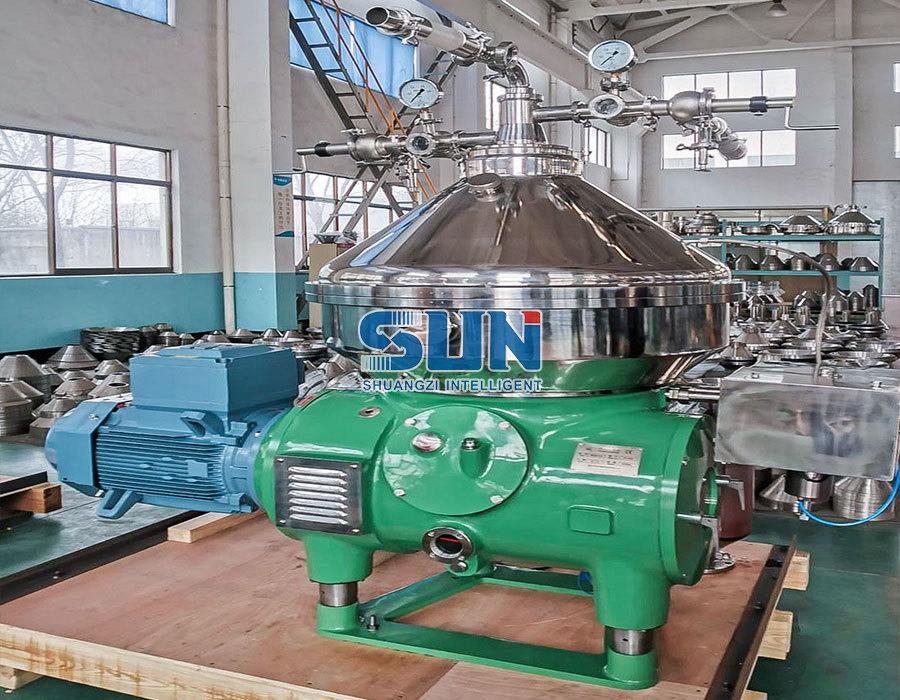
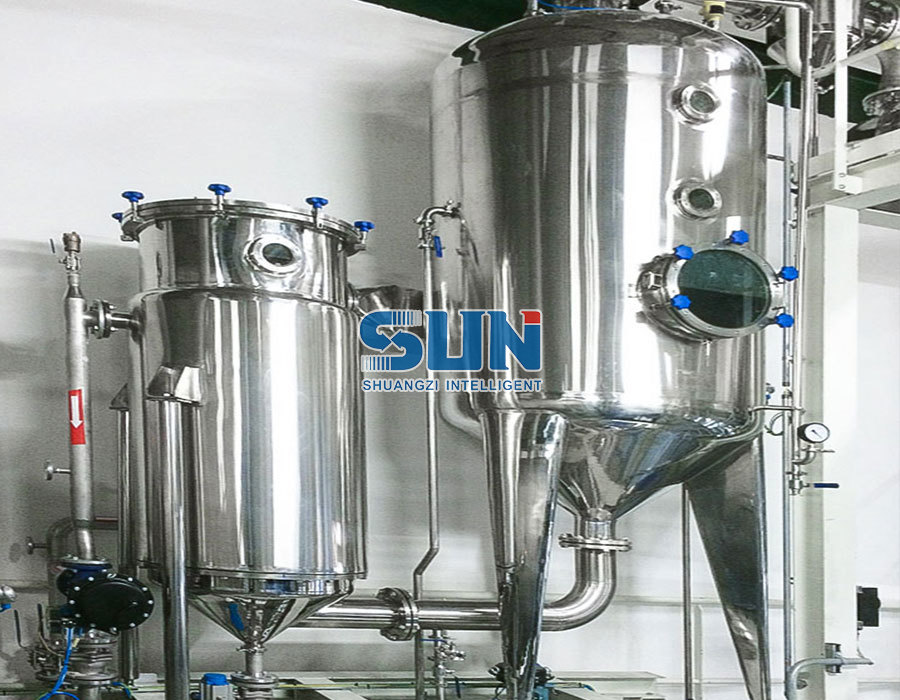
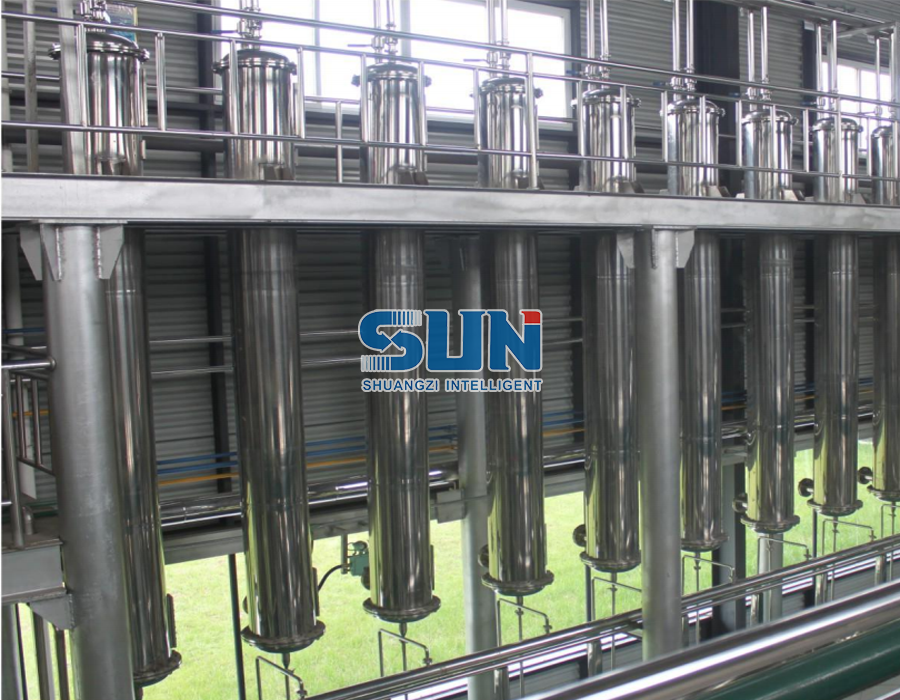
Our engineering team at Zhejiang Shuangzi Intelligent Equipment has spent over 15 years designing and commissioning extraction systems for plant polyphenol, pharmaceutical, and nutraceutical applications. We provide complete process design — from raw material input through extraction, concentration, and separation — with full after-sales support and 24-hour response commitment. Whether you need a standalone UAE reactor or a fully integrated polyphenol extraction line, we engineer solutions to your specific yield and purity targets.
Unlocking nature's antioxidant power starts with the right equipment. Contact us to discuss your tea polyphenol extraction requirements and receive an optimized technical proposal.