
 英语
英语 俄语
俄语Content
- 1 What Are Tea Polyphenols and Why Does Equipment Matter
- 2 Core Equipment in a Tea Polyphenols Extraction Line
- 3 Equipment Performance Comparison by Extraction Method
- 4 Emerging and Specialized Extraction Technologies
- 5 Factors to Evaluate When Selecting Extraction Equipment
- 6 Typical Equipment Layout for a Mid-Scale Production Line
- 7 Quality Control Integration Within the Equipment Line
- 8 Conclusion
Tea polyphenols extraction equipment refers to the industrial and laboratory systems used to isolate polyphenolic compounds from tea leaves through processes such as solvent extraction, membrane filtration, column chromatography, and drying. Choosing the right equipment directly determines the purity, yield, and cost-efficiency of the final product, making it a central decision for manufacturers in the food, pharmaceutical, and nutraceutical industries.
This article covers the main equipment types, how they work together in a production line, key performance benchmarks, and practical guidance for selecting systems suited to different scales of operation.
What Are Tea Polyphenols and Why Does Equipment Matter
Tea polyphenols are a family of bioactive compounds found in the leaves of Camellia sinensis. They include catechins, flavonoids, and tannins, with epigallocatechin gallate (EGCG) being the most studied due to its antioxidant and anti-inflammatory properties. In commercial extracts, polyphenol content typically ranges from 40% to 98% depending on purification depth.
Because these compounds are thermally sensitive and structurally diverse, the equipment used must balance extraction efficiency against compound degradation. Excessive heat during processing, for example, can reduce EGCG yield by 15% to 30% compared to low-temperature methods. This sensitivity makes equipment selection far more consequential than in many other botanical extract workflows.
Core Equipment in a Tea Polyphenols Extraction Line
A complete extraction line typically integrates several distinct equipment categories, each responsible for a specific stage of the process. Understanding each stage helps operators identify where yield losses or quality issues originate.
Extraction Vessels and Solvent Systems
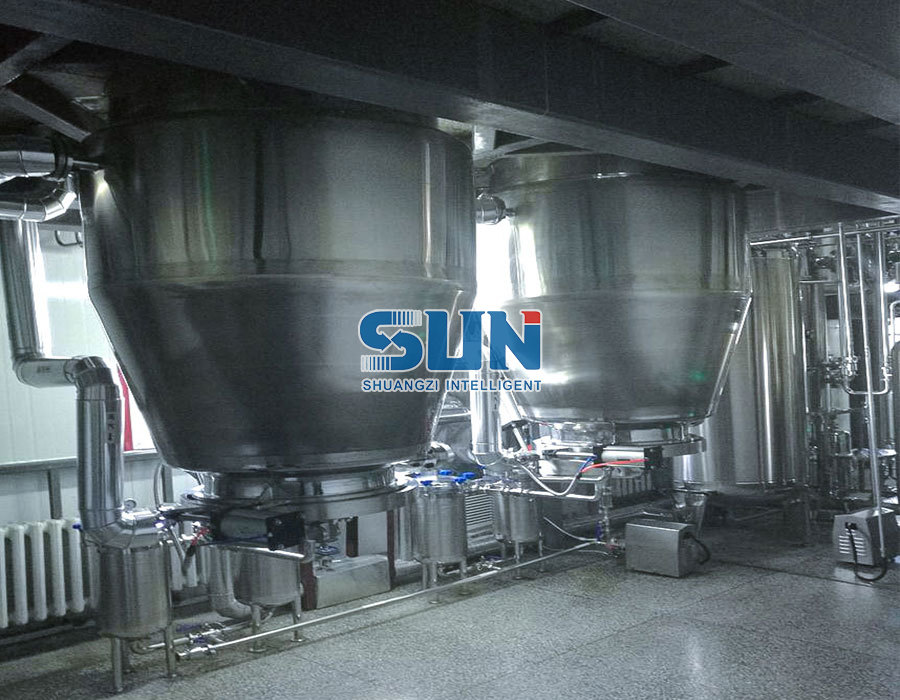
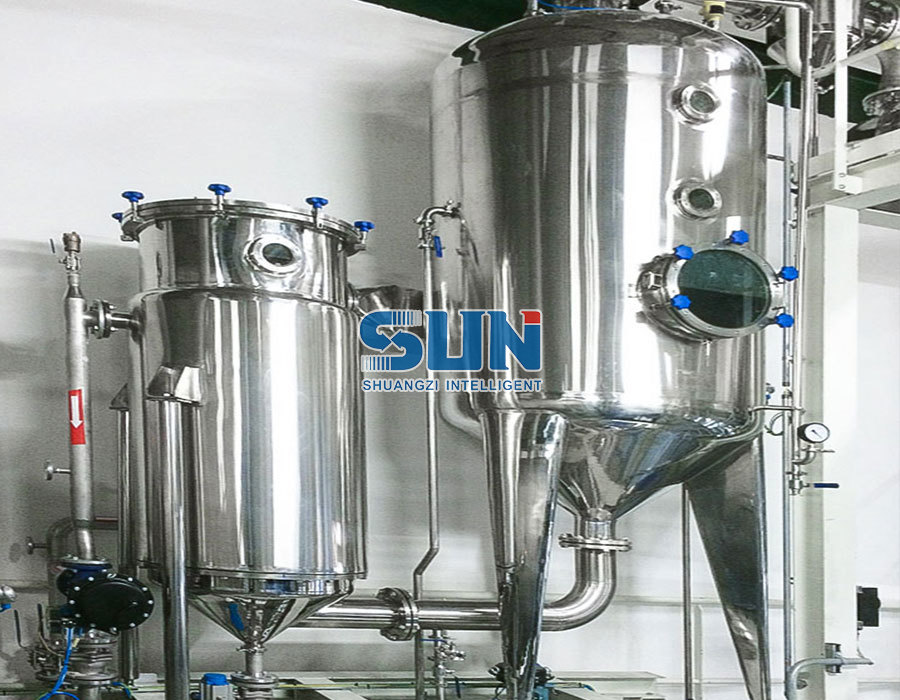
The initial extraction step uses vessels designed to bring tea leaf material into contact with a solvent, typically hot water, ethanol, or a water-ethanol mixture. Industrial extraction tanks range from 500 liters to over 10,000 liters and are usually constructed from food-grade stainless steel (316L grade) to resist corrosion from acidic polyphenol solutions.
Key equipment features include:
- Jacketed walls for precise temperature control between 60°C and 80°C
- Agitation systems (paddle or turbine) to ensure uniform solvent contact
- Closed-loop configurations to recover and recycle ethanol solvents
- Multiple-stage extraction to maximize polyphenol recovery, often achieving 85% to 92% extraction efficiency with three sequential stages
Filtration and Clarification Equipment
After extraction, the liquid must be separated from leaf residue and suspended particles. This stage commonly uses:
- Plate-and-frame filter presses for initial solid-liquid separation, capable of processing 500 to 2,000 liters per hour
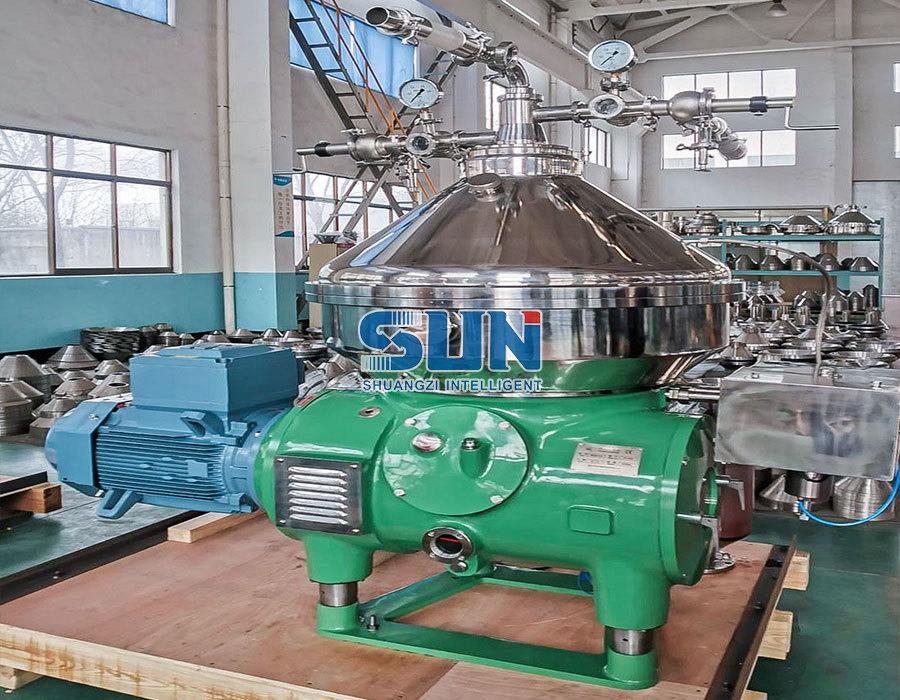
- Centrifuges (disc-stack or decanter type) for removing fine particulates at 3,000 to 10,000 RPM
- Membrane microfiltration units with 0.1 to 0.45 micron pore sizes to remove colloidal matter without stripping polyphenols
Choosing the wrong filtration method at this stage is a common source of yield loss. Overly tight membranes at this early stage can trap polyphenol aggregates and reduce overall recovery by 8% to 12%.
Concentration Equipment
Before purification, the dilute extract is typically concentrated to reduce volume and processing costs. Two main technologies are used:
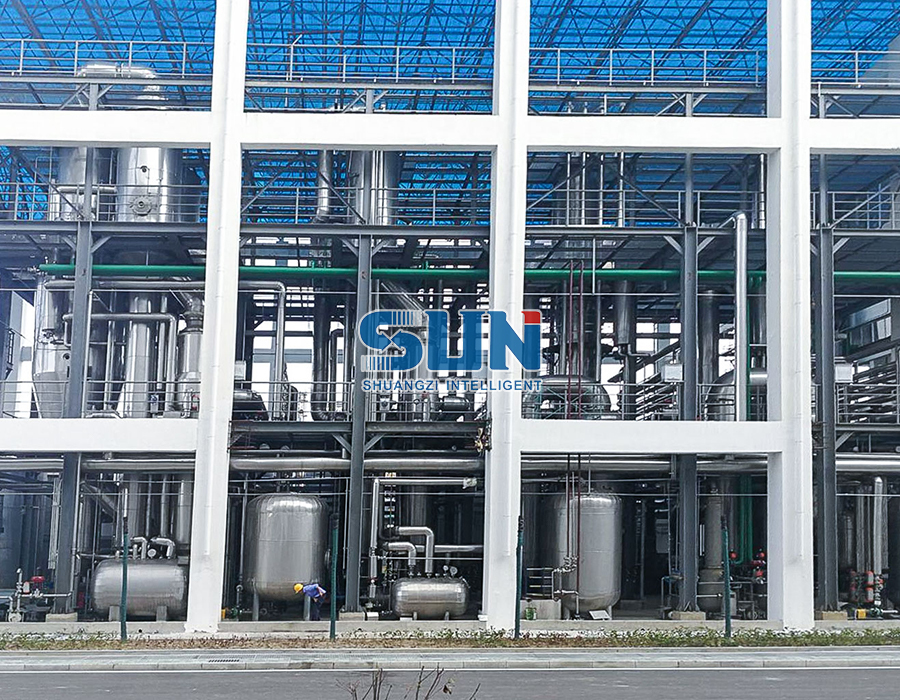
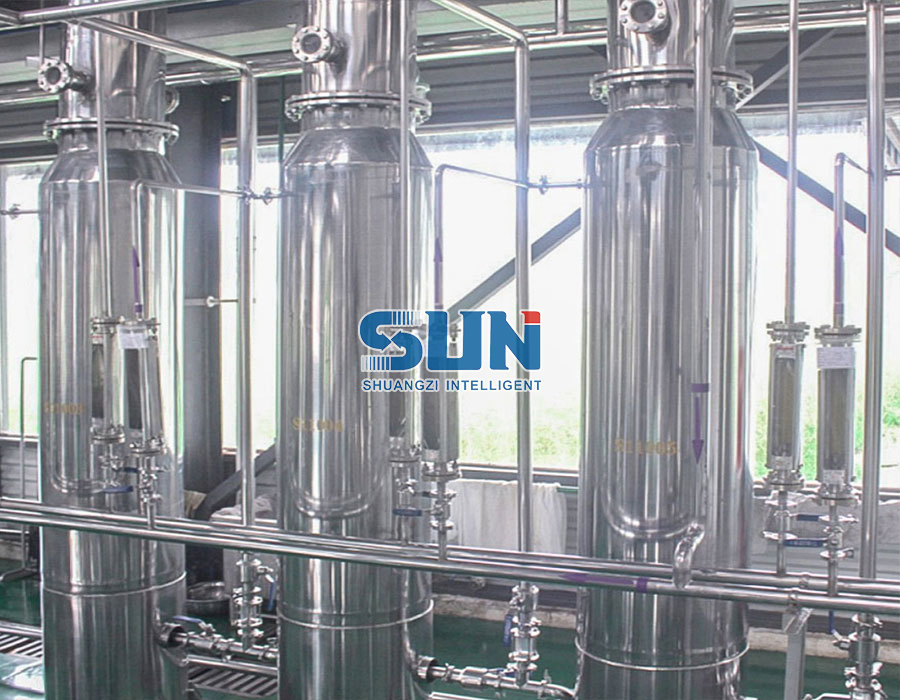
- Multi-effect evaporators: Use multiple stages of evaporation under decreasing pressure to reuse steam energy. A three-effect system reduces steam consumption by approximately 65% compared to a single-effect unit.
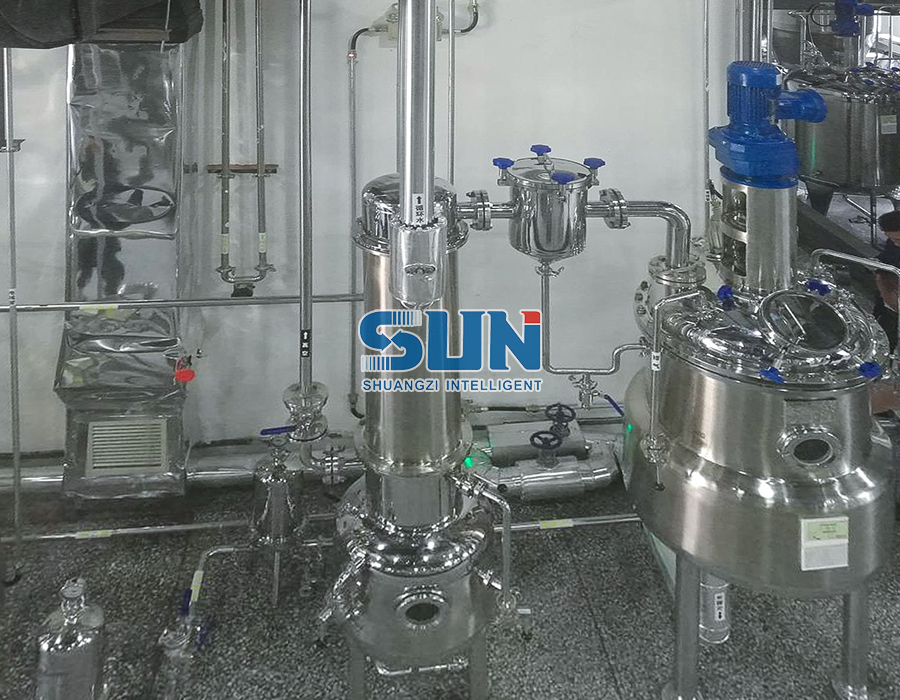
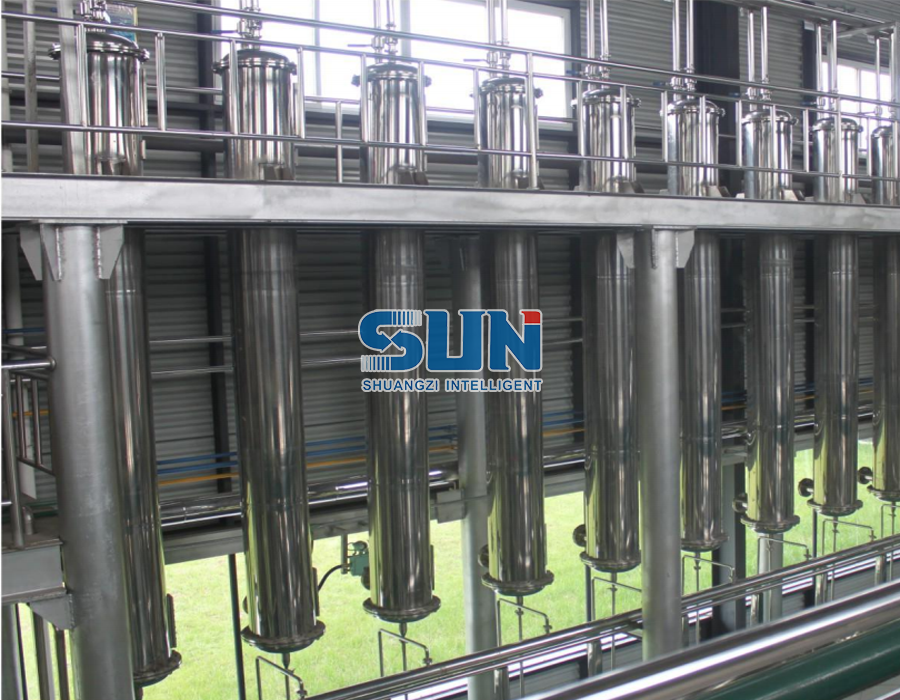
- Falling-film evaporators: Preferred for heat-sensitive compounds because the extract contacts the heating surface for only a few seconds, minimizing thermal degradation.
Operating vacuum levels between 0.07 and 0.09 MPa allows evaporation at temperatures as low as 45°C to 55°C, which is critical for preserving EGCG integrity.
Resin Adsorption and Column Chromatography Systems
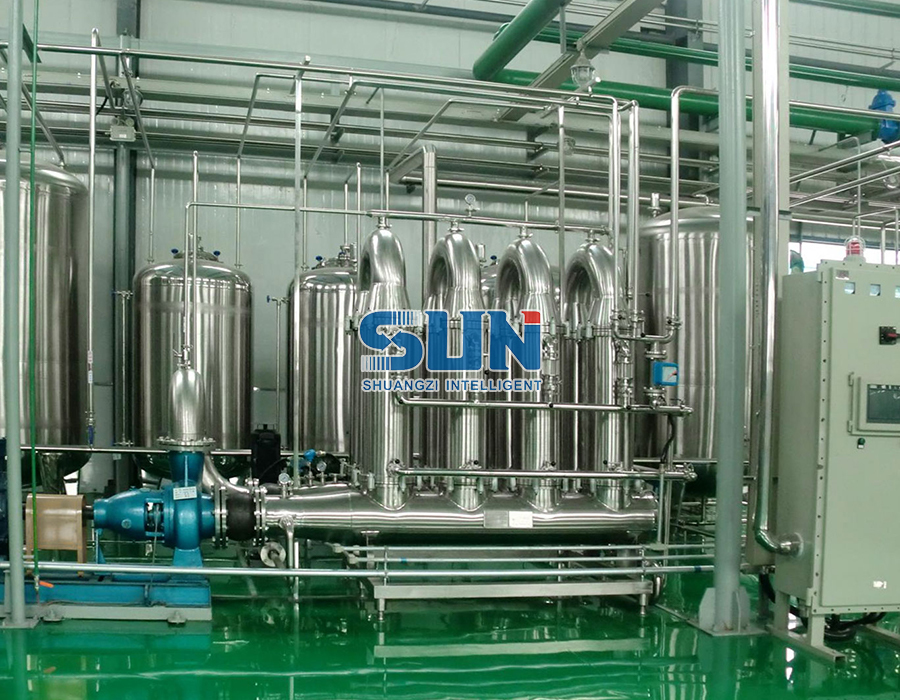
To achieve high-purity extracts (above 70% polyphenols), resin adsorption columns are the industry standard. Macroporous adsorption resins selectively bind polyphenolic compounds while allowing sugars, amino acids, and other non-target molecules to pass through.
A typical resin column system includes:
- Loading pumps with flow rate control to prevent channeling within the resin bed
- Multiple columns arranged in series or parallel to allow continuous operation during regeneration cycles
- Elution systems using 50% to 70% ethanol to selectively desorb polyphenols from the resin
- Online UV or refractive index detectors to monitor effluent quality in real time
Resin columns are the most critical purity-determining step in the entire line. A well-designed system can elevate polyphenol purity from 30% in the raw extract to 95% in the eluate, though this depends heavily on resin type selection and operating conditions.
Drying Equipment
The final polished extract is converted into powder using one of two primary methods:
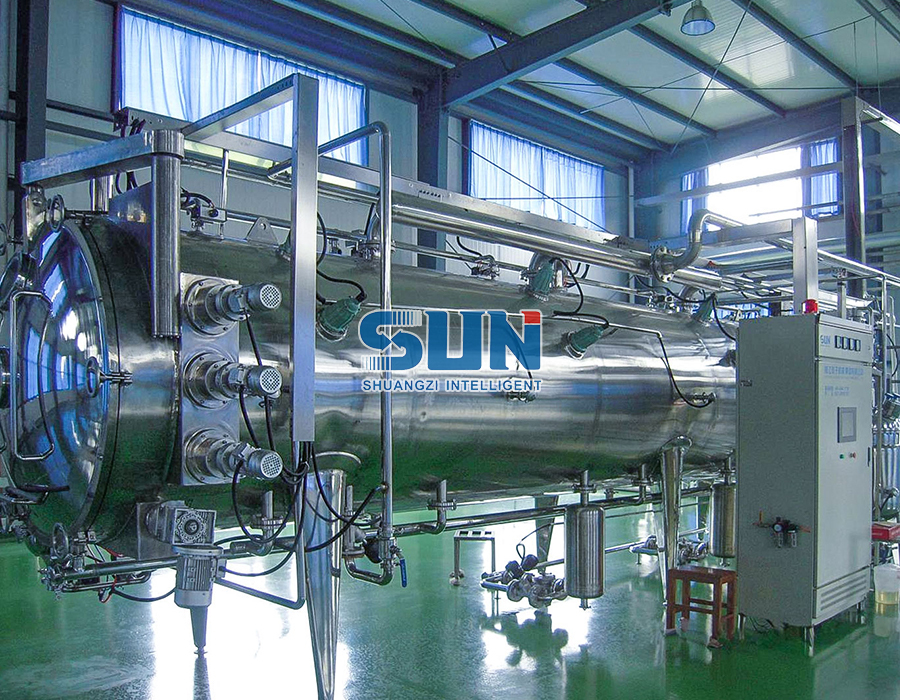
- Spray dryers: Atomize the liquid extract into a hot air chamber, producing fine powder within seconds. Inlet air temperatures of 150°C to 180°C with outlet temperatures kept below 80°C protect polyphenol stability while achieving moisture content below 5%.
- Freeze dryers (lyophilizers): Sublimate water at below-freezing temperatures under vacuum, producing a more porous powder that retains higher bioactivity. However, freeze drying costs 4 to 6 times more per kilogram than spray drying and is typically reserved for premium or research-grade extracts.
Equipment Performance Comparison by Extraction Method
Different extraction approaches rely on different equipment configurations and produce different outcomes in terms of yield, purity, and cost. The table below summarizes the most common approaches used at industrial scale.
| Method | Typical Polyphenol Yield | Achievable Purity | Processing Time | Relative Equipment Cost |
|---|---|---|---|---|
| Hot Water + Spray Dry | 70% to 80% | 30% to 50% | 4 to 6 hours | Low |
| Ethanol + Resin Column + Spray Dry | 80% to 90% | 70% to 95% | 8 to 12 hours | Medium-High |
| Supercritical CO2 Extraction | 60% to 75% | 80% to 98% | 2 to 4 hours | Very High |
| Ultrasound-Assisted + Membrane + Freeze Dry | 85% to 92% | 75% to 90% | 6 to 10 hours | High |
Emerging and Specialized Extraction Technologies
Ultrasound-Assisted Extraction Equipment
Ultrasonic extraction systems use high-frequency sound waves (typically 20 kHz to 40 kHz) to create acoustic cavitation within the solvent. This disrupts cell walls mechanically and accelerates solvent penetration. Compared to conventional stirred-tank extraction, ultrasonic systems have been shown to reduce extraction time by 40% to 60% while improving yield by 10% to 20% in controlled studies.
Industrial ultrasonic reactors for polyphenol extraction range from 2 kW to 20 kW in power output and are available in both batch and continuous flow configurations. Flow-through probe designs are particularly well-suited for integration into existing extraction lines without major equipment overhauls.
Microwave-Assisted Extraction Systems
Microwave energy heats the moisture inside plant cells rapidly, creating internal pressure that ruptures cell structures and releases polyphenols into the surrounding solvent. Industrial microwave extraction units operate at 915 MHz or 2,450 MHz and can process 50 to 500 kg of dried tea per hour depending on vessel design.
One practical limitation is the need for careful control of microwave power distribution. Uneven energy delivery leads to localized overheating that degrades heat-sensitive catechins. Rotating vessel designs and multi-mode microwave chambers address this by distributing energy more uniformly across the material.
Supercritical Fluid Extraction Systems
Supercritical carbon dioxide (scCO2) extraction uses CO2 at temperatures above 31.1°C and pressures above 7.38 MPa, at which point the gas behaves as both a liquid and a gas. This allows selective extraction of specific compound classes with no solvent residue in the final product. Equipment for scCO2 extraction includes high-pressure pumps, extraction vessels rated for 30 to 60 MPa, and automated pressure reduction separators.
The capital cost of scCO2 systems is typically 3 to 5 times higher than conventional solvent extraction lines of equivalent throughput, which limits adoption to premium product manufacturers or those producing pharmaceutical-grade extracts where solvent-free certification justifies the cost.
Membrane Separation for Polyphenol Fractionation
Beyond simple clarification, membrane systems can fractionate polyphenols by molecular weight. Ultrafiltration membranes with molecular weight cutoffs of 1 kDa to 10 kDa allow producers to separate low-molecular-weight catechins (EGCG, EGC) from higher-molecular-weight condensed tannins. This produces targeted fractions for specific applications rather than a generic mixed extract.
Nanofiltration and reverse osmosis can further concentrate and desalt these fractions. A combined ultrafiltration-nanofiltration sequence has been reported to produce EGCG fractions with 78% to 85% purity without requiring organic solvents, making it attractive for clean-label product formulations.
Factors to Evaluate When Selecting Extraction Equipment
The right equipment configuration depends on several interrelated factors. Treating these in isolation leads to either underperformance or unnecessary capital expenditure.
Target Purity and Application Requirements
Equipment investment scales with purity targets. A food ingredient extract at 40% polyphenols requires only basic extraction and spray drying equipment. A nutraceutical capsule ingredient at 95% polyphenols requires multi-stage resin purification and stringent solvent recovery systems. Defining the final product specification before designing the equipment line prevents costly mid-project redesigns.
Batch vs. Continuous Processing
Batch systems offer operational flexibility and lower initial investment, making them suitable for producers processing under 500 kg of dry leaf per day. Continuous systems provide higher throughput efficiency and more consistent product quality at scale but require higher upfront investment in instrumentation and automation. For outputs exceeding 1,000 kg of extract per day, continuous processing typically reduces per-unit operating costs by 20% to 35%.
Solvent Recovery and Environmental Compliance
Ethanol-based extraction requires integrated solvent recovery systems to remain economically viable and meet environmental discharge regulations. A closed-loop ethanol recovery system with a distillation unit can recover 90% to 95% of the solvent used per batch, significantly reducing both ongoing costs and regulatory exposure. Equipment that lacks integrated recovery forces manufacturers to either absorb high solvent replacement costs or face non-compliance penalties.
Material Compatibility and Sanitary Design
Tea polyphenols are reactive compounds that oxidize in the presence of iron and copper. All equipment contacting the extract should be fabricated from 316L stainless steel or food-grade polymer materials. Sanitary fittings (tri-clamp connections), smooth interior surface finishes (Ra below 0.8 micrometers), and clean-in-place (CIP) compatibility are standard requirements for GMP-compliant production facilities.
Typical Equipment Layout for a Mid-Scale Production Line
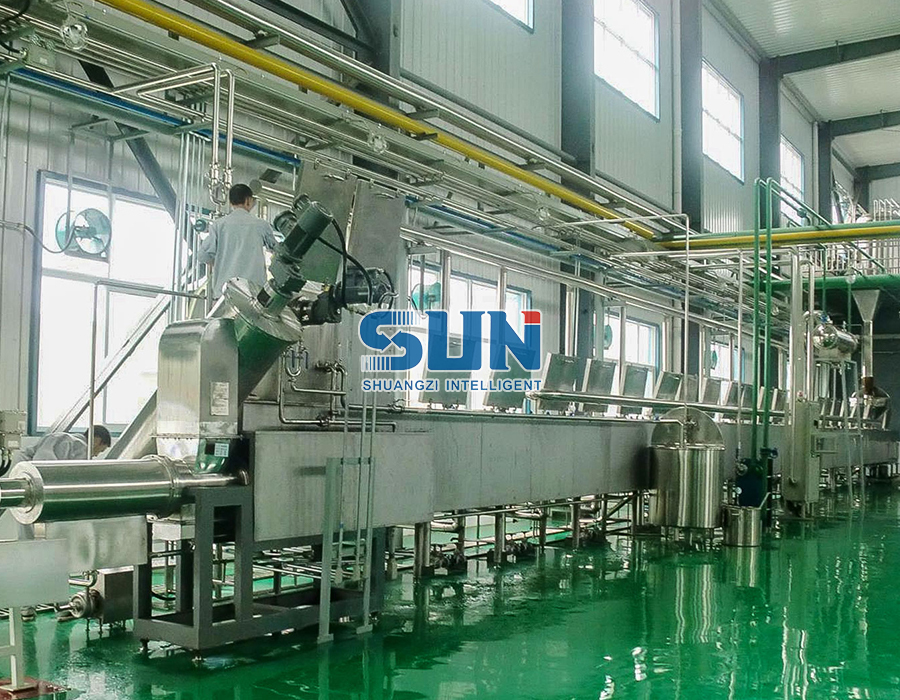
A mid-scale facility processing 300 to 500 kg of dried green tea per day and targeting 70% to 80% polyphenol purity would typically include the following sequential equipment layout:
- Pre-treatment grinding mill to standardize particle size (0.5 mm to 2 mm) and increase extraction surface area
- Two to three-stage stirred extraction tanks (2,000 liters each) with hot water or ethanol-water solvent at 70°C to 75°C
- Screw press or plate-and-frame filter press for initial solid-liquid separation
- Disc-stack centrifuge for fine clarification
- Double-effect falling-film evaporator for concentration to 20% to 30% solids
- Dual macroporous resin adsorption columns with ethanol elution and solvent recovery distillation unit
- Secondary concentration evaporator to prepare the purified eluate for drying
- Spray dryer with cyclone separator and bag filter for powder collection and packaging
Total equipment investment for a line of this scale typically falls between USD 800,000 and USD 2,000,000, depending on automation level, materials of construction, and whether pre-owned or new equipment is sourced.
Quality Control Integration Within the Equipment Line
Modern extraction lines integrate inline and at-line quality monitoring to reduce batch rejection rates and improve consistency. Key monitoring points include:
- UV-Vis spectrophotometers positioned after the resin column to monitor real-time polyphenol concentration in the eluate, allowing precise cut-point determination
- Inline refractometers on evaporator outlets to control concentration endpoints without lab sampling delays
- Moisture analyzers integrated with spray dryer control systems to maintain powder moisture below 5% and prevent caking during storage
- At-line HPLC systems for periodic catechin profiling to verify that EGCG and other individual polyphenol ratios meet specification
Facilities that implement inline monitoring report 15% to 25% reductions in batch failure rates compared to those relying solely on end-of-batch laboratory testing, according to process engineering studies in botanical extract manufacturing.
Conclusion
Tea polyphenols extraction equipment is not a single machine but an integrated system where each stage feeds the next. The combination of extraction vessel design, resin purification, and drying method is what ultimately determines product quality and production economics. Producers targeting food-ingredient grades can achieve acceptable results with relatively simple setups, while pharmaceutical or premium nutraceutical manufacturers need multi-stage purification and rigorous process monitoring.
Before committing to any equipment configuration, defining the target polyphenol purity, daily throughput, and acceptable capital budget narrows the options significantly and prevents over-engineering that inflates costs without proportionate quality gains. Consulting equipment suppliers with documented experience in botanical extraction, rather than general chemical processing, also reduces the risk of specification mismatches that only become apparent during commissioning.