
 英语
英语 俄语
俄语Content
Most industrial clients don't struggle to find equipment suppliers — they struggle to find suppliers who can take complete ownership of the outcome. That's the core promise of a turnkey project: one provider, one contract, one fully operational facility delivered at the end. For buyers in pharmaceutical extraction, biofermentation, and chemical synthesis, understanding exactly what that promise covers — and what separates a capable supplier from a capable salesperson — makes all the difference.
What "Turnkey" Actually Means for Equipment Buyers
A turnkey project transfers full project responsibility to a single contractor. The client defines the output — a production line that yields X kg of extract per day, or a fermentation facility producing Y liters per batch — and the contractor handles everything required to get there.
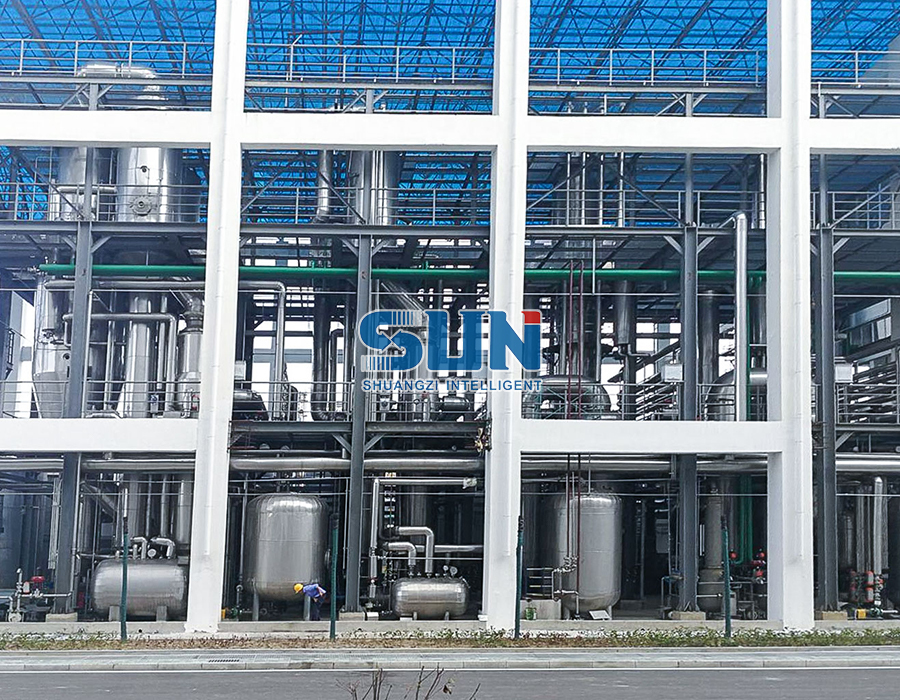
In practice, this scope includes process engineering and layout design, equipment selection and fabrication, civil and utility coordination, mechanical and electrical installation, commissioning and performance qualification, and final documentation and operator training. The client's involvement is strategic rather than operational: reviewing milestones and approving deliverables, not managing subcontractors or chasing purchase orders.
The critical distinction from conventional procurement is accountability. In a multi-supplier model, each vendor is responsible only for their own scope — integration gaps and interface failures fall between the cracks. With a turnkey supplier, the contractor owns the entire system's performance from day one of handover.
Core Equipment Categories in a Turnkey Plant
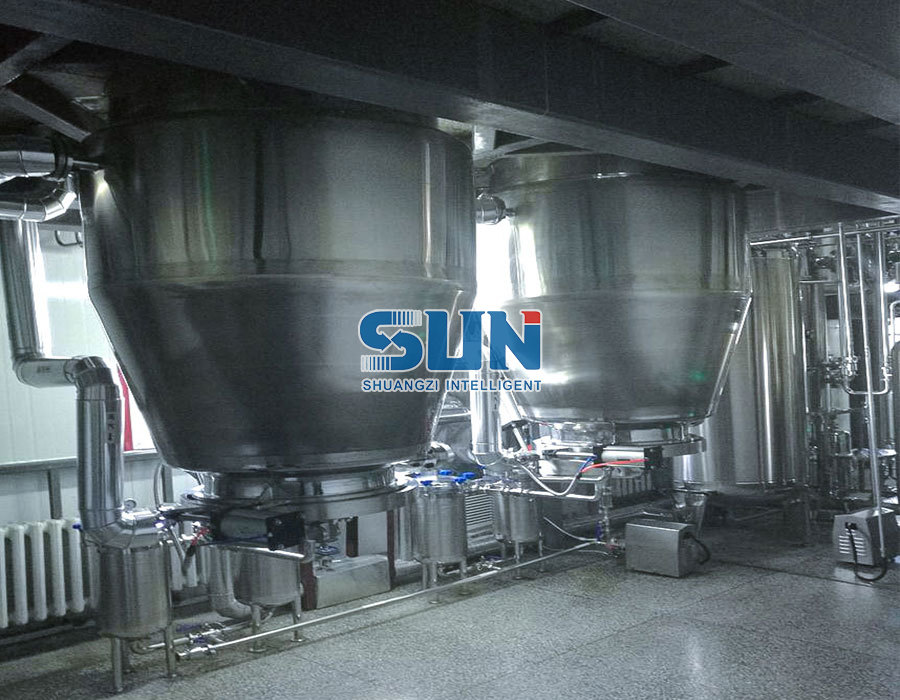
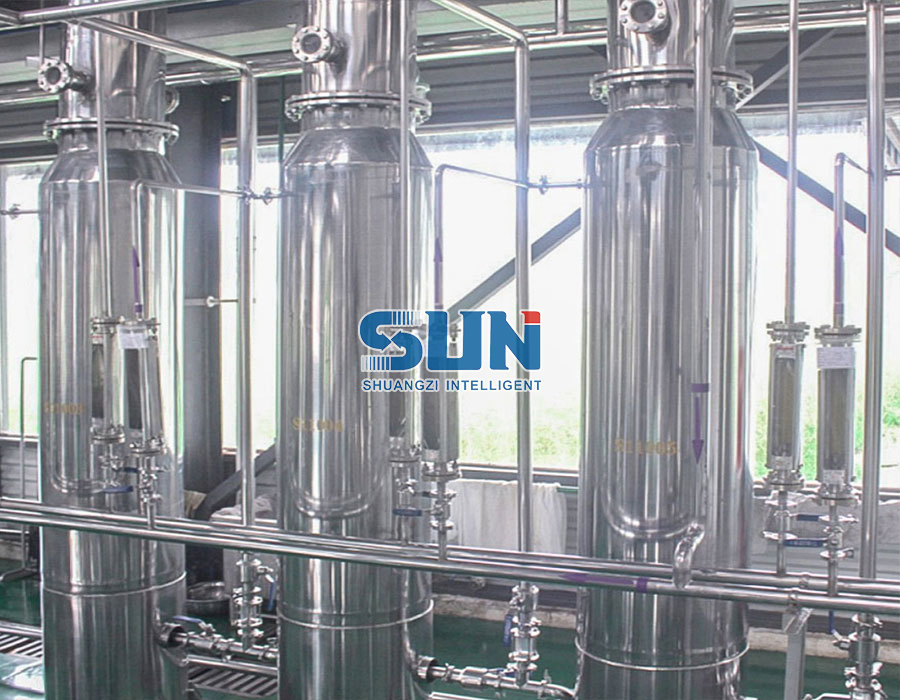
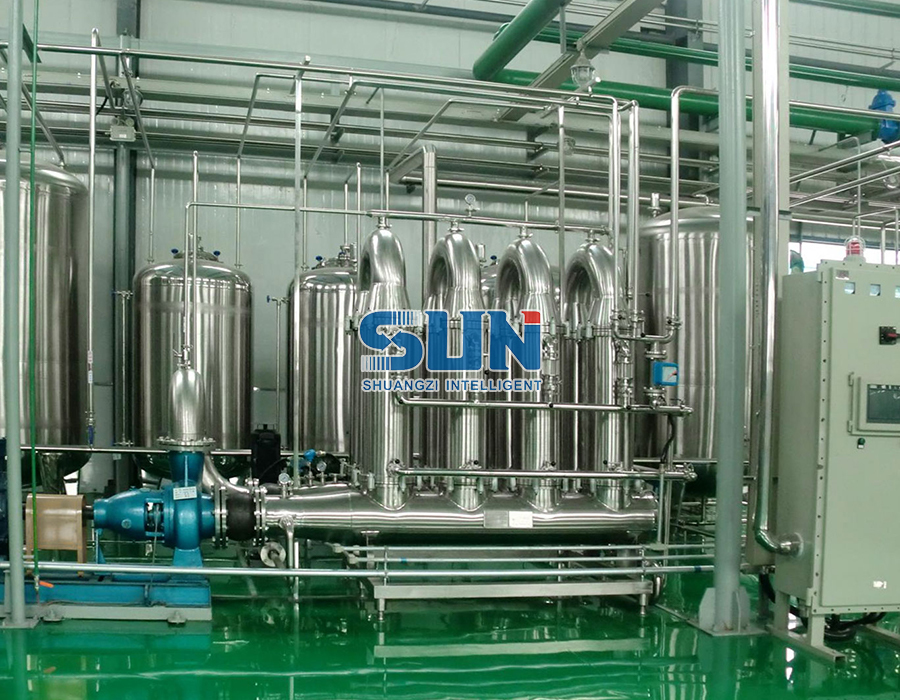
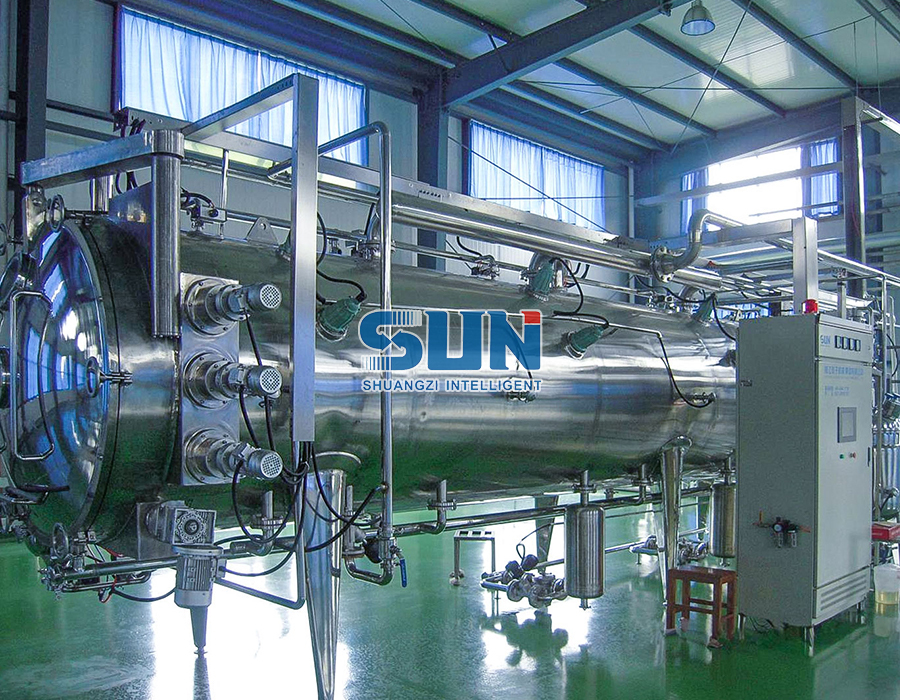
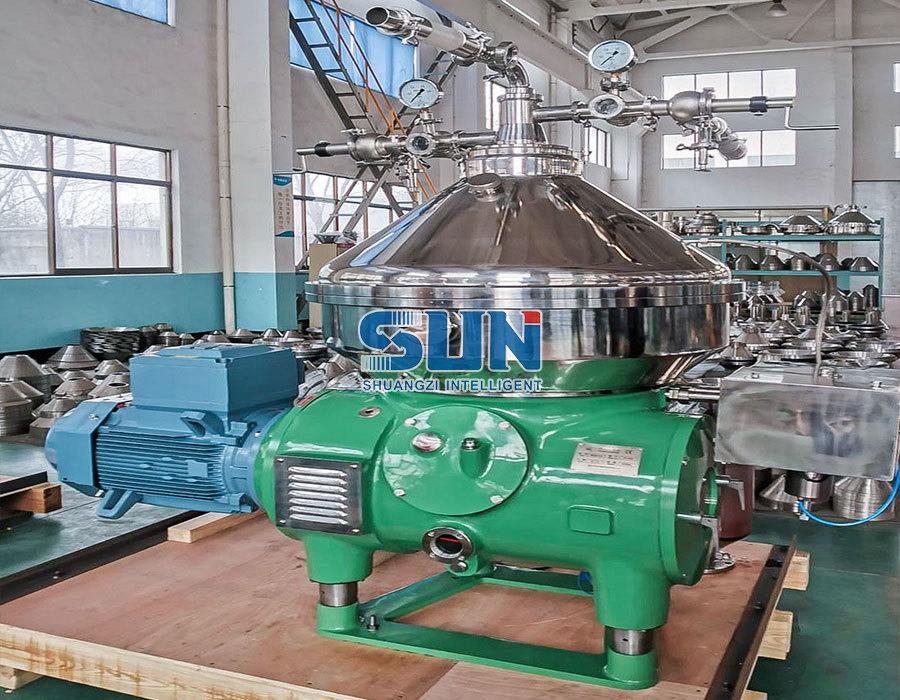
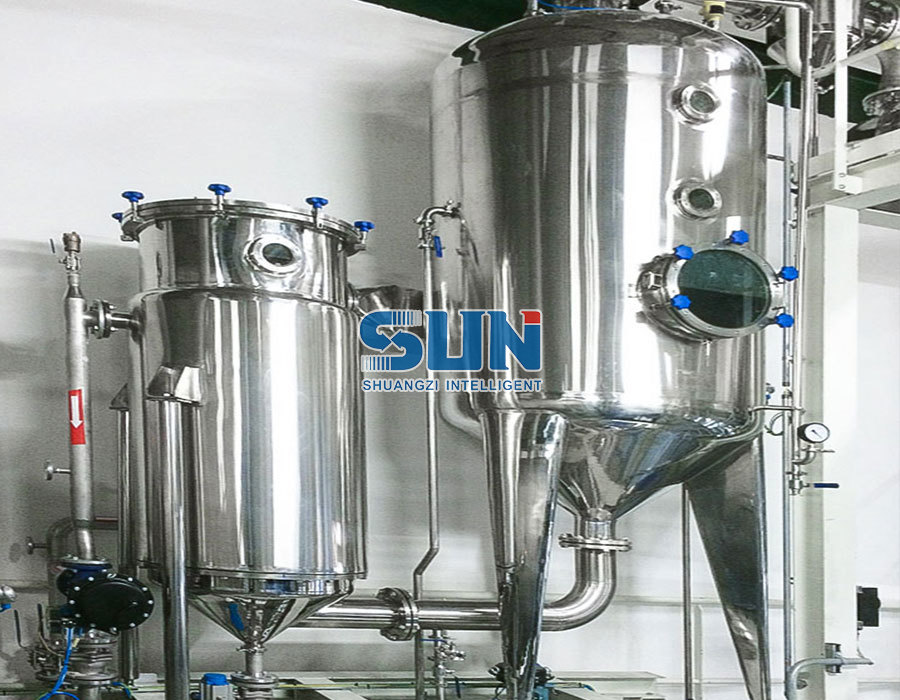
The specific equipment configuration depends entirely on the process, but plant-based extraction projects follow a consistent architecture. Raw material enters an extraction stage, where solvents or other media isolate target compounds. Miscella then moves to concentration — typically evaporation under vacuum — before any separation steps clean up the intermediate product. Final drying, whether spray, freeze, or vacuum belt, converts the concentrated extract into its marketable form.
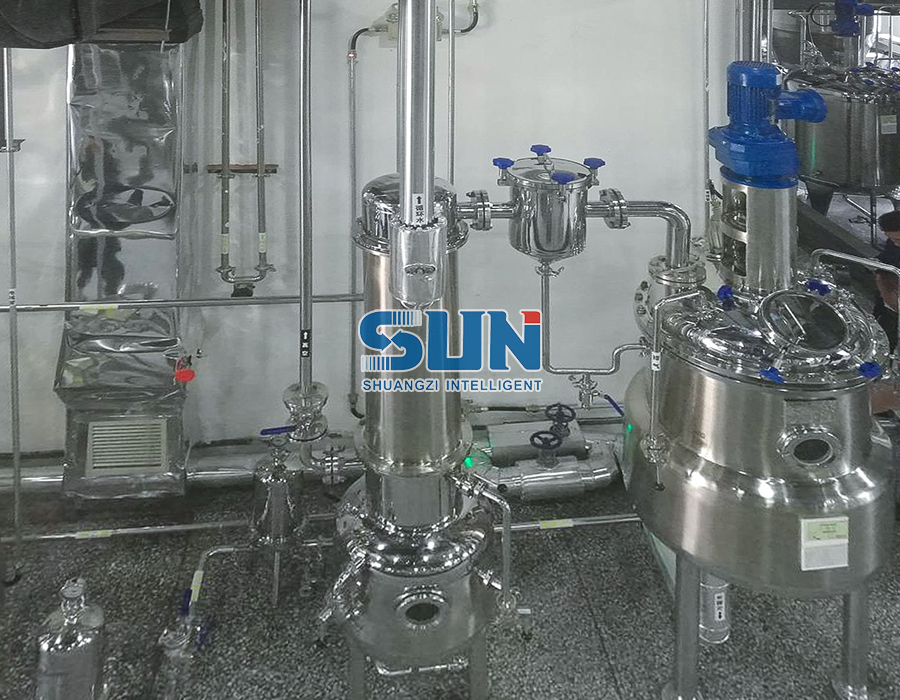
For cannabis and hemp processing, the sequence extends further: post-extraction winterization removes waxes and lipids, short-path distillation achieves cannabinoid isolation, and crystallization may follow for high-purity isolate. Suppliers offering CBD extraction and processing systems as a turnkey scope must demonstrate command of this full chain, not individual steps in isolation.
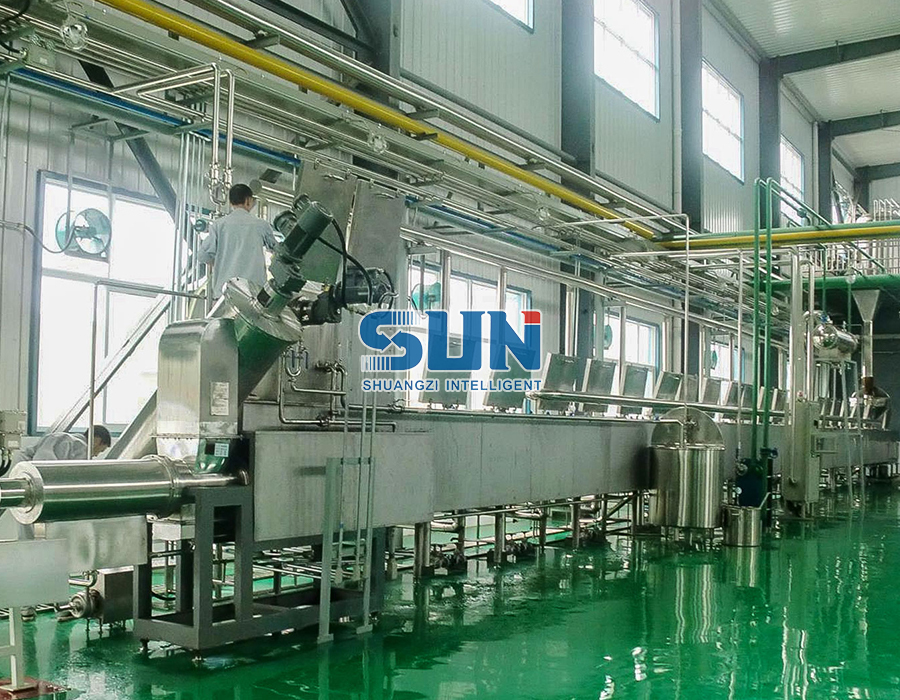
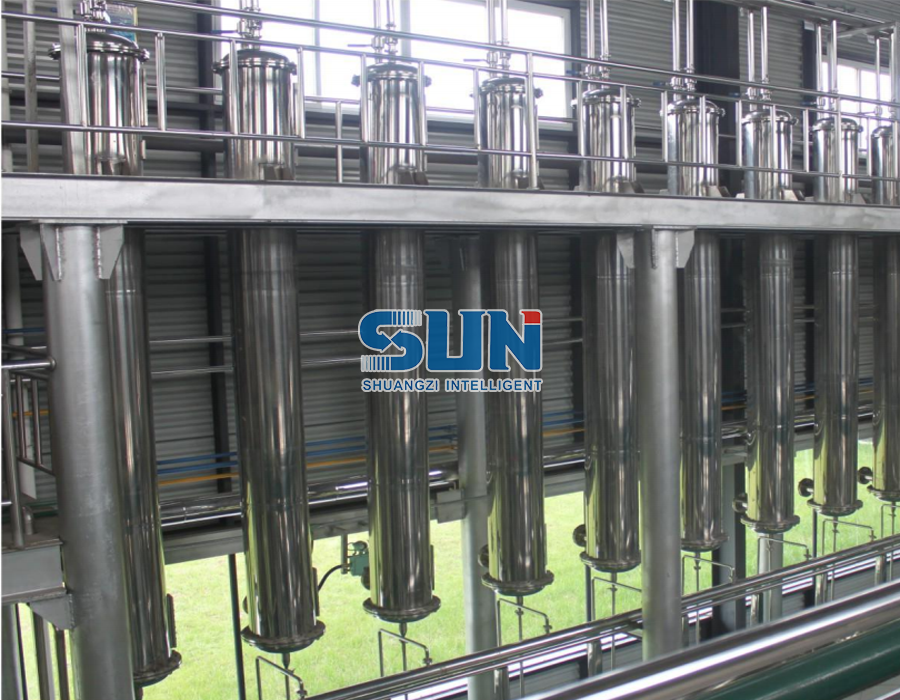
Botanical extract lines follow similar logic, with extraction and concentration as the backbone. Purpose-built complete plant extraction production lines handle everything from raw herb infeed to dried powder output, integrating the individual extraction, concentration, separation, and drying modules into a single continuous or semi-continuous flow.
For fermentation-based production — antibiotics, enzymes, organic acids, or probiotic cultures — the core equipment set includes inoculation tanks, seed fermenters, production bioreactors, and downstream separation and purification equipment. Suppliers offering bio-fermentation project solutions must be able to specify and validate the entire upstream-to-downstream chain, since fermentation outcomes are highly sensitive to oxygen transfer, agitation, and temperature control across every vessel in the train.
How to Evaluate a Turnkey Equipment Supplier
Process capability is the starting point. A supplier's engineering team should be able to produce a mass and energy balance for your specific process before any commercial discussion begins. If they can't model your process from first principles, they're reselling equipment, not delivering a system.
Regulatory alignment is equally non-negotiable. For pharmaceutical and nutraceutical clients, equipment must be designed and documented in compliance with GMP requirements. The WHO's Good Manufacturing Practice guidelines set the international baseline for equipment design, surface finishes, cleaning validation, and documentation standards. Suppliers building for regulated markets need to demonstrate that their extraction, concentration, and drying equipment is designed with these requirements built in — not retrofitted after the fact.
Beyond technical capability, evaluate integration track record. Ask for references from completed projects of comparable scale and complexity. Review actual performance test reports, not testimonials. Confirm that the supplier controls fabrication in-house rather than relying on an unvetted subcontractor network — in-house manufacturing is the clearest signal that a supplier can actually hold tolerances and delivery schedules under their own quality management system.
Finally, clarify the commissioning and handover protocol in writing before signing. Who runs the performance qualification testing? What are the acceptance criteria? What's the warranty scope and response time for post-handover issues? These details reveal whether a supplier treats handover as a destination or the beginning of an ongoing relationship.
Getting the Most from Your Turnkey Investment
The quality of a turnkey outcome is directly proportional to the clarity of the brief. Clients who define production targets, product specifications, utility constraints, and regulatory requirements upfront give their supplier the information needed to optimize the design — not just size the equipment to fit a budget. Vague requirements produce conservative designs with unnecessary headroom, driving up both capital cost and operating overhead.
Engage early on future capacity. A production line sized at 100% of current demand with no structural provision for expansion will cost significantly more to upgrade than one designed with phased scale-up in mind from the start. The steel and civil work is a small fraction of total project cost; getting the layout right on day one is almost always the better investment.
Maintain active technical involvement throughout the project, particularly during process design review and factory acceptance testing. FAT is the most cost-effective moment to catch and correct issues — before equipment ships, before installation is complete, and before schedule pressure compresses the window for changes. Clients who engage their own process engineers during FAT consistently achieve smoother site acceptance and faster production ramp-up.
A well-executed turnkey project delivers more than equipment on a pad. It delivers validated process knowledge, regulatory-ready documentation, and a production system that your operators can run confidently from the first shift. That outcome requires the right supplier and the right client working toward the same specification — clarity on both sides is the only investment that pays compound returns.