
 英语
英语 俄语
俄语Content
- 1 What Is a Laboratory Fully Automatic Vacuum Low-Temperature Crawler Belt Dryer
- 2 Core Operating Principles and Technical Advantages
- 3 Application Scenarios in Laboratory Research
- 4 Key Specifications and Performance Parameters
- 5 Selection Criteria for Laboratory Applications
- 6 Operational Efficiency and Maintenance Considerations
- 7 Cost-Benefit Analysis for Laboratory Investment
- 8 Future Developments and Technological Trends
What Is a Laboratory Fully Automatic Vacuum Low-Temperature Crawler Belt Dryer
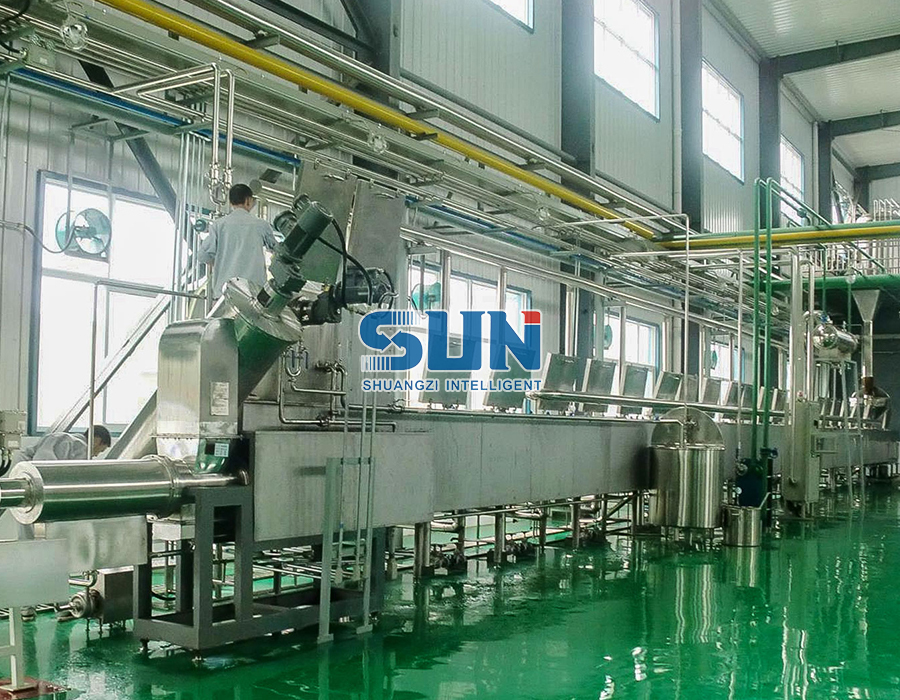
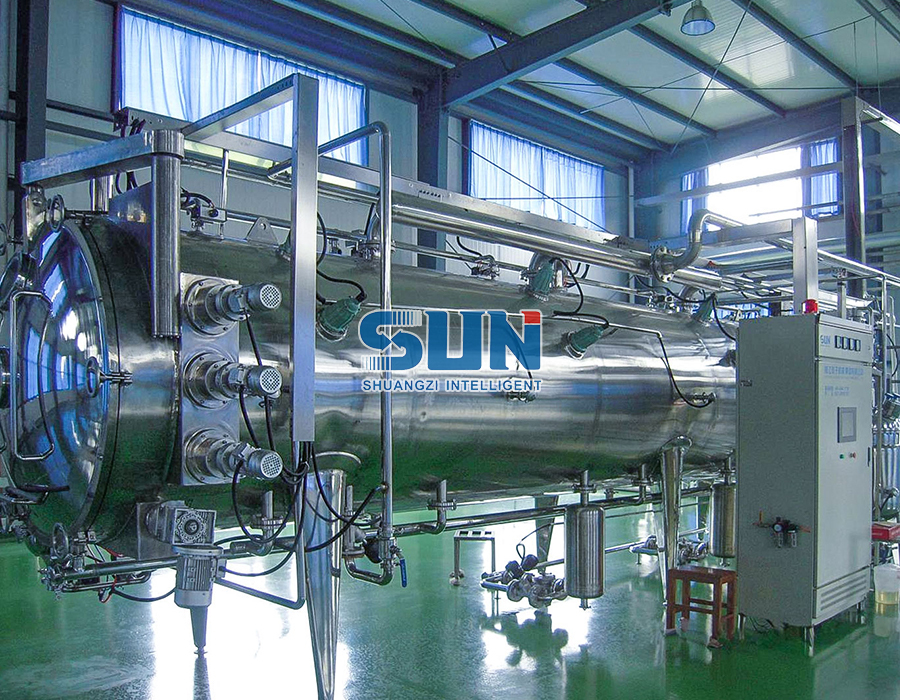
A laboratory fully automatic vacuum low-temperature crawler belt dryer is a continuous drying system that operates under vacuum conditions at controlled low temperatures, typically between 30°C and 80°C. The equipment uses a moving conveyor belt (crawler belt) to transport materials through a sealed vacuum chamber, enabling gentle, uniform drying of heat-sensitive substances without oxidation or degradation. This technology is essential for pharmaceutical research, food science laboratories, and biotechnology applications where preserving active compounds and nutritional properties is critical.
Unlike conventional tray dryers that process materials in batches, the crawler belt system provides continuous operation with automated feeding and discharge, significantly improving laboratory throughput while maintaining precise environmental control. The vacuum environment reduces boiling points, allowing moisture removal at temperatures that would otherwise be impossible with atmospheric pressure drying.
Core Operating Principles and Technical Advantages
Vacuum-Assisted Moisture Removal Mechanism
The dryer operates at vacuum levels ranging from -0.09 MPa to -0.095 MPa, which lowers the boiling point of water and solvents. For example, water boils at approximately 50°C under 0.09 MPa vacuum pressure, compared to 100°C at atmospheric pressure. This principle allows laboratories to dry thermally unstable compounds like enzymes, probiotics, and natural extracts without destroying their bioactive properties.
Continuous Belt Conveyor System
The crawler belt mechanism features several key advantages:
- Adjustable belt speed from 0.1 to 5 meters per minute for precise residence time control
- PTFE-coated or stainless steel mesh belts that prevent material adhesion and ensure easy cleaning
- Multi-layer belt configurations enabling increased capacity without expanding footprint
- Automatic material distribution systems that ensure uniform layer thickness across the belt width
Temperature Uniformity and Control
Modern laboratory systems achieve temperature uniformity within ±2°C across the entire drying chamber. This is accomplished through infrared heating panels or circulating heated shelves positioned above and below the belt, combined with PLC-controlled temperature zones that can be independently adjusted for different stages of the drying process.
Application Scenarios in Laboratory Research
Pharmaceutical and Nutraceutical Development
In pharmaceutical laboratories, these dryers process temperature-sensitive active pharmaceutical ingredients (APIs) that degrade above 60°C. A case study from a European pharmaceutical research facility demonstrated that vacuum belt drying at 45°C preserved 94% of probiotic viability compared to only 62% retention with conventional hot-air drying at 70°C.
Food Science and Nutrition Research
Laboratory applications include:
- Drying fruit and vegetable extracts while retaining antioxidant compounds and vitamins
- Processing protein hydrolysates without Maillard reaction browning
- Developing functional food powders with controlled moisture content between 2-5%
Chemical and Material Science Research
The oxygen-free vacuum environment prevents oxidation during drying of reactive materials such as metal catalysts, nanomaterials, and organic semiconductors. Research laboratories use these systems to prepare samples with residual solvent levels below 100 ppm, meeting strict analytical requirements.
Key Specifications and Performance Parameters
| Parameter | Typical Range | Impact on Performance |
|---|---|---|
| Belt Width | 200-800 mm | Determines processing capacity |
| Effective Drying Length | 2-8 meters | Controls residence time |
| Vacuum Degree | -0.08 to -0.096 MPa | Affects boiling point reduction |
| Temperature Range | 30-80°C | Suited for heat-sensitive materials |
| Processing Capacity | 5-50 kg/hour | Laboratory to pilot scale |
| Energy Consumption | 15-45 kW | Operating cost consideration |
Selection Criteria for Laboratory Applications
Material Compatibility Assessment
Before selecting equipment, laboratories must evaluate several material characteristics:
- Thermal sensitivity threshold - Maximum safe temperature without degradation
- Initial moisture content - Typically ranges from 40-80% for paste-like materials
- Target final moisture - Usually 2-10% for stable storage
- Material viscosity and flowability - Affects spreading uniformity on the belt
Automation and Control Requirements
Fully automatic systems integrate PLC controllers with touchscreen interfaces that monitor and record critical parameters including temperature profiles, vacuum levels, belt speed, and material feed rates. Advanced models offer recipe storage for up to 50 different drying protocols and can export data in formats compatible with laboratory information management systems (LIMS).
Compliance and Validation Features
For pharmaceutical and regulated research environments, equipment should include:
- FDA-compliant 21 CFR Part 11 data logging capabilities
- Clean-in-place (CIP) systems with validation documentation
- Material certifications for product-contact surfaces (typically 316L stainless steel)
- IQ/OQ/PQ protocols and installation qualification support
Operational Efficiency and Maintenance Considerations
Energy Efficiency Optimization
Modern vacuum belt dryers achieve 30-40% energy savings compared to atmospheric hot-air systems by utilizing the reduced evaporation energy requirement under vacuum. Heat recovery systems can capture condensate heat, further reducing operational costs. A typical laboratory unit processing 20 kg/hour consumes approximately 25 kW, translating to 1.25 kWh per kilogram of water removed.
Routine Maintenance Requirements
Laboratory personnel should implement the following maintenance schedule:
- Daily: Belt cleaning and visual inspection for material buildup
- Weekly: Vacuum pump oil level check and condensate drain system verification
- Monthly: Vacuum seal integrity testing and belt tension adjustment
- Quarterly: Temperature sensor calibration and heating element inspection
- Annually: Vacuum pump overhaul and complete system performance validation
Common Troubleshooting Scenarios
Laboratories frequently encounter these issues and solutions:
- Inadequate vacuum levels: Check door seals, vacuum pump performance, and condensate trap functionality
- Uneven drying: Adjust material feed distribution and verify temperature uniformity across zones
- Material adhesion to belt: Reduce drying temperature or switch to higher-grade PTFE coating
Cost-Benefit Analysis for Laboratory Investment
Initial equipment costs for laboratory-scale vacuum crawler belt dryers range from $50,000 to $200,000 depending on size and automation level. However, the investment delivers substantial returns through:
- Increased product quality with retention of 85-95% of heat-sensitive compounds versus 60-75% with conventional methods
- Labor cost reduction through continuous automated operation requiring minimal supervision
- Higher throughput enabling 3-5 times more sample processing compared to batch tray dryers
- Shorter development cycles for scaling from laboratory to pilot production
For research institutions processing 500 kg of material annually, the typical payback period is 18-24 months when factoring in quality improvements, reduced material losses, and labor savings.
Future Developments and Technological Trends
Emerging innovations in laboratory vacuum drying technology include hybrid microwave-vacuum systems that reduce drying times by 40-60% while maintaining low temperatures. Additionally, manufacturers are integrating artificial intelligence algorithms that optimize drying parameters in real-time based on inline moisture sensors and quality monitoring systems.
Sustainability initiatives are driving development of solvent recovery systems that capture and recycle organic solvents with 95%+ efficiency, crucial for pharmaceutical laboratories working with expensive or hazardous chemicals. These closed-loop systems reduce both operating costs and environmental impact while ensuring compliance with increasingly stringent emission regulations.