
 英语
英语 俄语
俄语Content
- 1 Understand What Actually Fails — and Why
- 2 Daily Checks: 15 Minutes That Prevent Major Failures
- 3 Weekly Maintenance: Keep the Heat Transfer Clean
- 4 Monthly Overhaul: Seals, Gaskets, and the Vacuum System
- 5 Maintenance Interval Summary
- 6 Annual Inspection: Structural Integrity and Long-Term Reliability
- 7 Operational Practices That Extend Maintenance Intervals
- 8 Conclusion
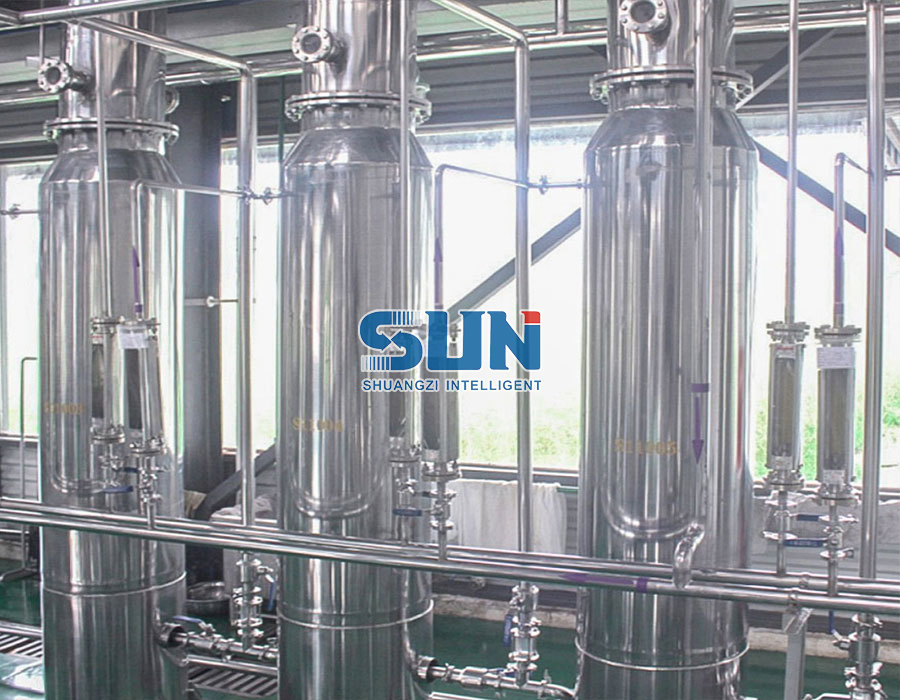
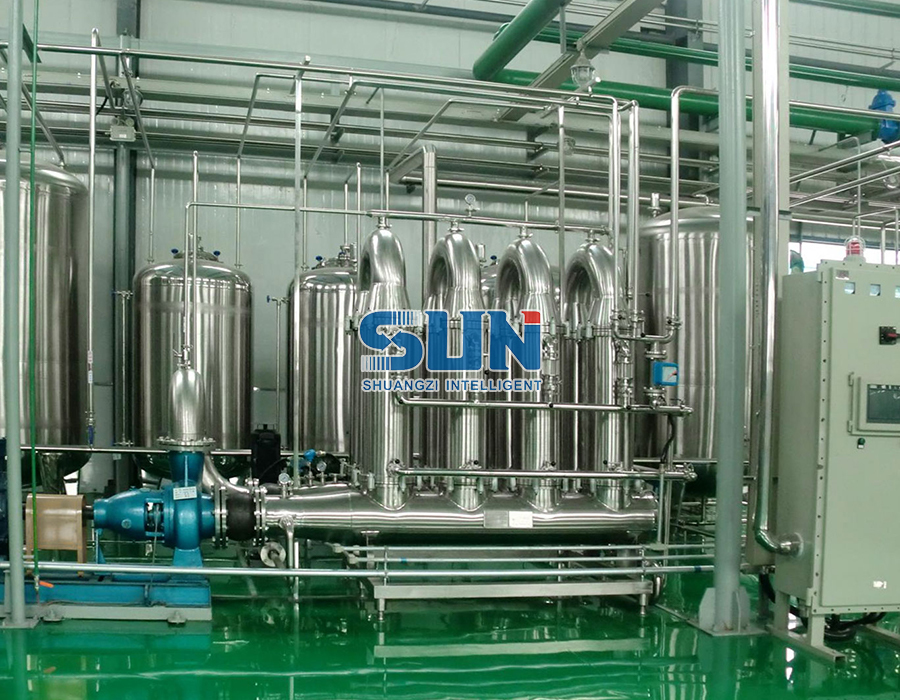
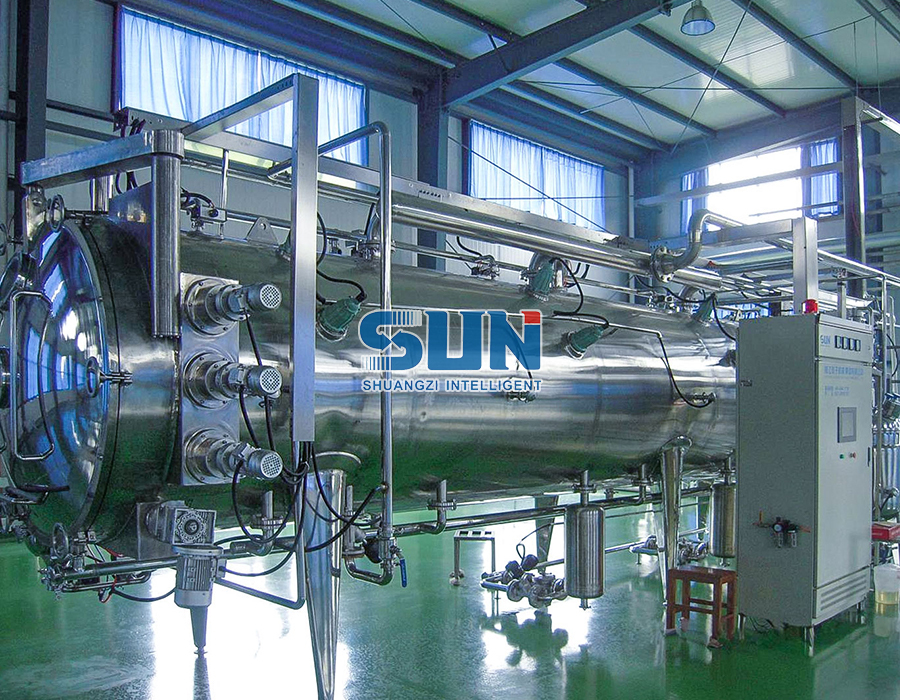
In continuous industrial operations, unplanned shutdowns are costly — and for facilities running stainless steel vacuum flash evaporators, the margin for mechanical failure is especially thin. These machines operate on the flash principle: material is preheated to near its boiling point, then discharged into a low-pressure chamber where instantaneous vaporization occurs. The process is fast, efficient, and unforgiving of neglect. A single compromised seal or a partially blocked condenser can cascade into hours of lost production. The maintenance protocols below are designed specifically for facilities that cannot afford that risk.
Understand What Actually Fails — and Why
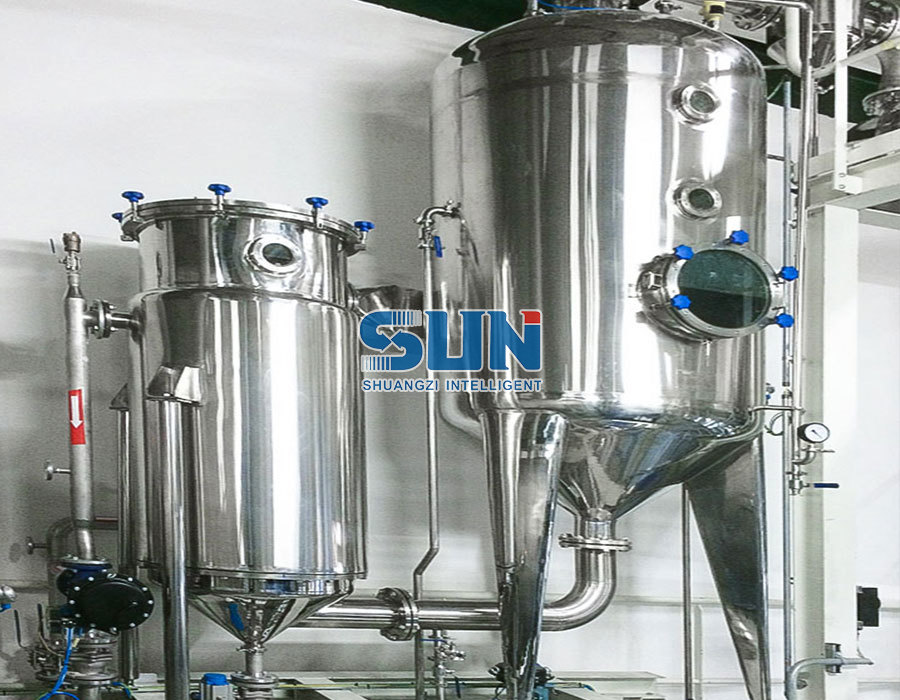
Effective maintenance starts with knowing where flash evaporators break down in real operation. The four most common failure points are the vacuum system, the preheater surfaces, the condenser, and the flash chamber seals.
The vacuum pump is under continuous mechanical stress. In a system rated for evaporating capacities between 300 L/h and 5,000 L/h (the SZN-300-HSK to SZN-5000-HSK range), any loss of vacuum integrity immediately reduces evaporation efficiency — and heat-sensitive materials like Chinese herbal extracts or biological agents begin to degrade at temperatures they would otherwise tolerate. A 5% vacuum drop can translate to a 10–15% reduction in throughput before operators even notice.
Preheater fouling is the second silent killer. Scale or biofilm buildup on heat transfer surfaces creates an insulating layer that forces the system to consume more steam to reach the same material temperature. Left unchecked, this leads to localized overheating — damaging active compounds and increasing energy costs simultaneously.
Daily Checks: 15 Minutes That Prevent Major Failures
For continuously operating lines, a structured daily inspection routine is non-negotiable. Focus on the following parameters every shift:
- Vacuum level — verify the chamber is holding its rated operating pressure; deviations above ±2% warrant immediate investigation of pump condition and seal integrity.
- Inlet and outlet temperatures — compare against baseline readings taken at commissioning; a rising differential across the preheater signals fouling.
- Condensate output — monitor volume and clarity; discoloration or reduced flow indicates condenser blockage or cross-contamination.
- Pump noise and vibration — abnormal sounds in the vacuum pump or feed pump are early indicators of bearing wear, catching problems before seal failure occurs.
- Stainless steel surface condition — inspect accessible exterior welds and fittings for pitting or discoloration, which can signal the onset of stress corrosion in aggressive chemical environments.
Weekly Maintenance: Keep the Heat Transfer Clean
Fouling on the preheater and condenser is the primary driver of energy waste and unplanned downtime. A weekly CIP (clean-in-place) cycle using an appropriately diluted acid or alkaline solution — matched to the material being processed — removes scale before it becomes structurally bonded to the tube walls.
For food and pharmaceutical applications (juice concentration, dairy, Chinese herbal extracts), a diluted citric acid rinse at 1–2% concentration followed by a caustic soda wash at 60–70°C is a widely used protocol. Always confirm chemical compatibility with the equipment's stainless steel grade — SUS304 handles most food-grade cleaners, while SUS316L is recommended for chloride-containing environments or highly acidic solvents.
After cleaning, run a short flush cycle with purified water and log the outlet conductivity. If conductivity fails to return to baseline after flushing, residual deposits or a condenser tube breach warrant further inspection before resuming production.
Monthly Overhaul: Seals, Gaskets, and the Vacuum System
Even with daily checks, seals and gaskets degrade over time under repeated thermal cycling. A monthly scheduled stop — planned during a natural production gap — should cover:
- Full seal inspection across all flanged connections on the flash chamber, condenser inlet/outlet, and vacuum line. Replace any gasket showing compression set or cracking.
- Vacuum pump oil change (for oil-sealed rotary vane pumps) or diaphragm condition check (for dry pumps). Degraded pump oil introduces moisture into the vacuum circuit, accelerating internal corrosion.
- Condenser tube inspection — pass a calibrated pressure test through the tube bundle to detect micro-leaks that bypass visual inspection. Even a pinhole breach mixes condensate with cooling water, contaminating solvent recovery streams.
- Valve and actuator function test — manually cycle all automated valves and verify stroke and closure speed against original commissioning records.
Maintenance Interval Summary
| Interval | Task | Key Risk Prevented |
|---|---|---|
| Daily (per shift) | Vacuum level, temperatures, condensate, pump noise | Vacuum failure, early seal breach |
| Weekly | CIP cycle, conductivity verification | Fouling-driven heat transfer loss |
| Monthly | Full seal replacement, vacuum pump service, condenser pressure test | Catastrophic vacuum loss, cross-contamination |
| Annually | Full disassembly inspection, tube bundle replacement assessment, stainless steel thickness measurement | Structural failure, regulatory non-compliance |
Annual Inspection: Structural Integrity and Long-Term Reliability
Once per year, schedule a full disassembly inspection during your longest planned shutdown. This is the time to perform ultrasonic thickness measurements on the flash chamber walls and heating tubes — any wall thinning beyond 10% of original specification requires component replacement before returning to operation. For pressure vessels operating under vacuum, structural integrity is a regulatory requirement in most jurisdictions, not a recommendation.
Inspect all internal welds under bright lighting or with dye-penetrant testing, focusing on the junction between the flash chamber body and inlet nozzle — a high-stress zone during thermal cycling. Document all findings with photographs and measurements, creating a traceable equipment history that supports both predictive maintenance planning and compliance audits.
Operational Practices That Extend Maintenance Intervals
Maintenance frequency can be reduced — without increasing risk — by controlling operating conditions more tightly. Three practices make the biggest difference in practice:
Avoid cold starts on a hot system. When restarting after a brief stop, allow temperature equilibration before restoring full vacuum. Thermal shock at the flash chamber inlet is a primary cause of premature gasket failure and weld stress cracking.
Feed material quality matters as much as equipment design. Particulate-laden feeds that exceed the design specification accelerate erosion on the flash chamber walls and condenser tube inlets. Install upstream filtration appropriate to your material, and check filter condition as part of the daily inspection routine.
Finally, log everything. Real-time data from temperature, pressure, and flow sensors forms the baseline against which anomalies become visible. A system that deviates 3% from its historical operating envelope may be days away from a failure that would otherwise appear sudden. The concentration equipment category spans a wide range of configurations, but this principle applies uniformly across all of them: trending data prevents unplanned downtime far more reliably than reactive repair.
Conclusion
Stainless steel vacuum flash evaporators are durable, efficient, and well-suited to continuous operation across food, pharmaceutical, and chemical applications — but only when maintained systematically. The daily, weekly, monthly, and annual protocols described here are not theoretical; they directly address the mechanisms through which these systems fail. A well-maintained evaporator running at rated capacity between 300 and 5,000 L/h delivers consistent concentration results, protects heat-sensitive active ingredients, and keeps scheduled production lines running. The alternative — reactive maintenance after failure — consistently costs more in lost output and emergency repair than the entire annual maintenance program combined.