
 英语
英语 俄语
俄语Content
- 1 Understanding Systems Combined with Vacuum Flash Evaporator
- 2 Core Working Principle in Combined Configurations
- 3 Industrial Applications of Combined Vacuum Flash Evaporation
- 4 Energy Efficiency and Heat Integration Strategies
- 5 Operational Parameters and Control Considerations
- 6 Design Comparison of Standalone vs Combined Systems
- 7 Maintenance and Long-Term Performance Optimization
- 8 Practical Value in Zero Liquid Discharge Projects
Understanding Systems Combined with Vacuum Flash Evaporator
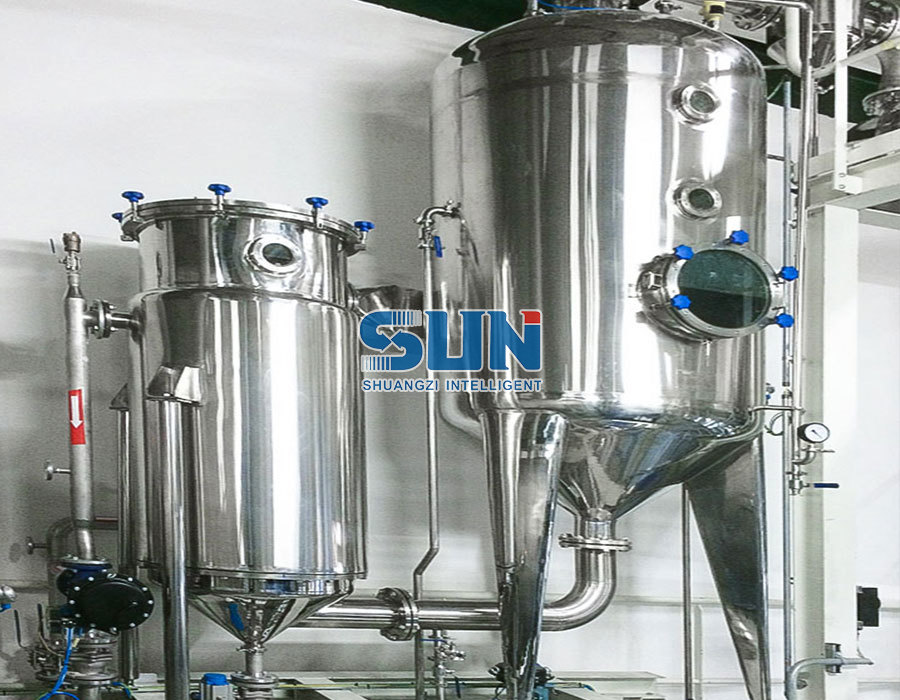
A system combined with a vacuum flash evaporator is widely used in industrial wastewater treatment, chemical processing, and resource recovery. The core principle is to reduce the boiling point of liquid by lowering pressure, allowing rapid evaporation at relatively low temperatures. When combined with pre-treatment units, heat recovery devices, and condensate management systems, vacuum flash evaporation becomes a highly efficient solution for handling high-salinity, high-COD, or heat-sensitive liquids.
This combination approach is especially valuable in industries aiming for zero liquid discharge (ZLD). By integrating upstream concentration, downstream crystallization, and auxiliary heat exchange, the vacuum flash evaporator works as part of a complete evaporation and separation system rather than an isolated unit.
Core Working Principle in Combined Configurations
In a combined configuration, the vacuum flash evaporator receives preheated or partially concentrated liquid. Under vacuum conditions, part of the liquid instantly flashes into vapor. This vapor is then condensed and collected as distilled water, while the remaining liquid becomes more concentrated. The effectiveness of this process increases when supported by stable vacuum generation, controlled feed flow, and optimized heat input.
A typical combined system ensures that energy input is minimized and evaporation efficiency is maximized. The integration of multiple components ensures continuous operation and reduces operational fluctuations that could otherwise impact evaporation stability.
Key Components in a Combined System
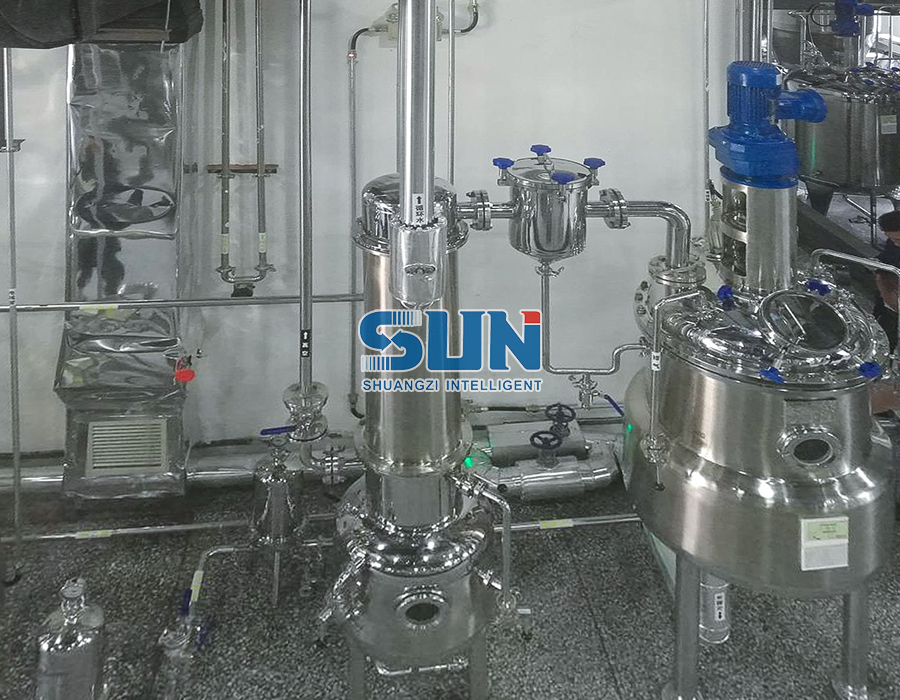
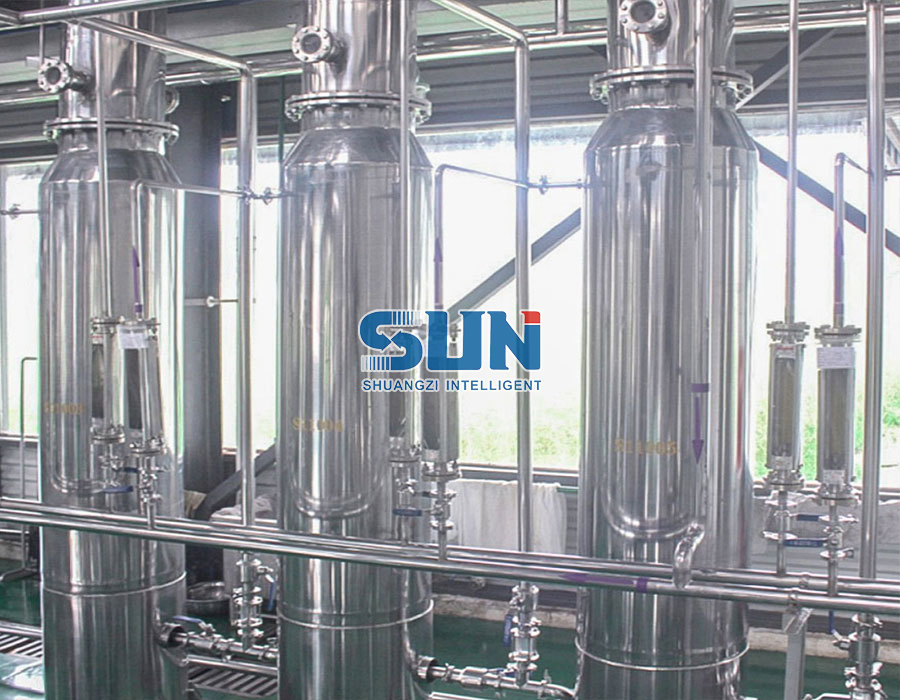
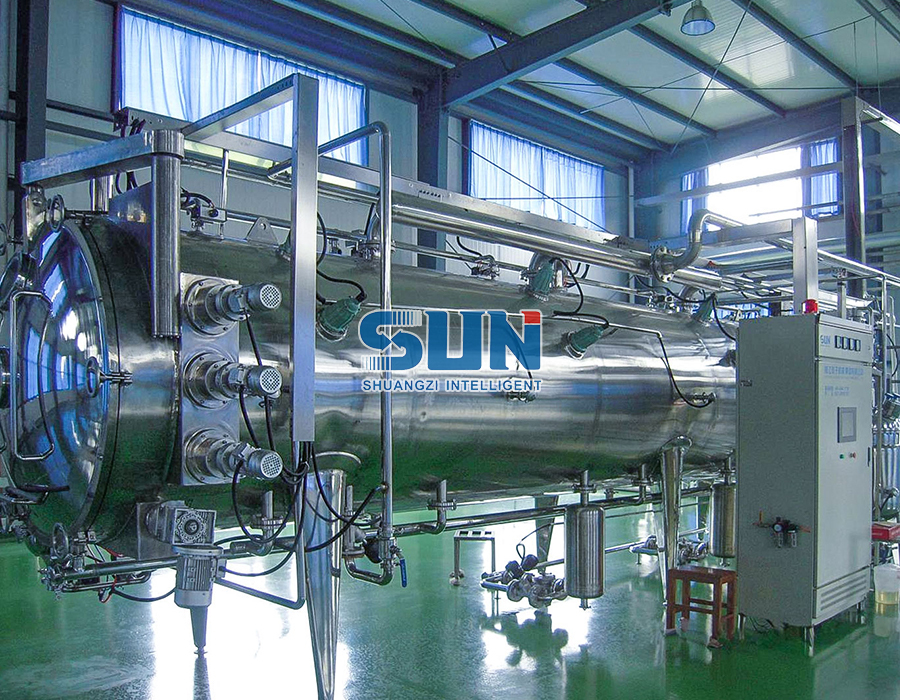
- Vacuum flash evaporator chamber designed for rapid phase change
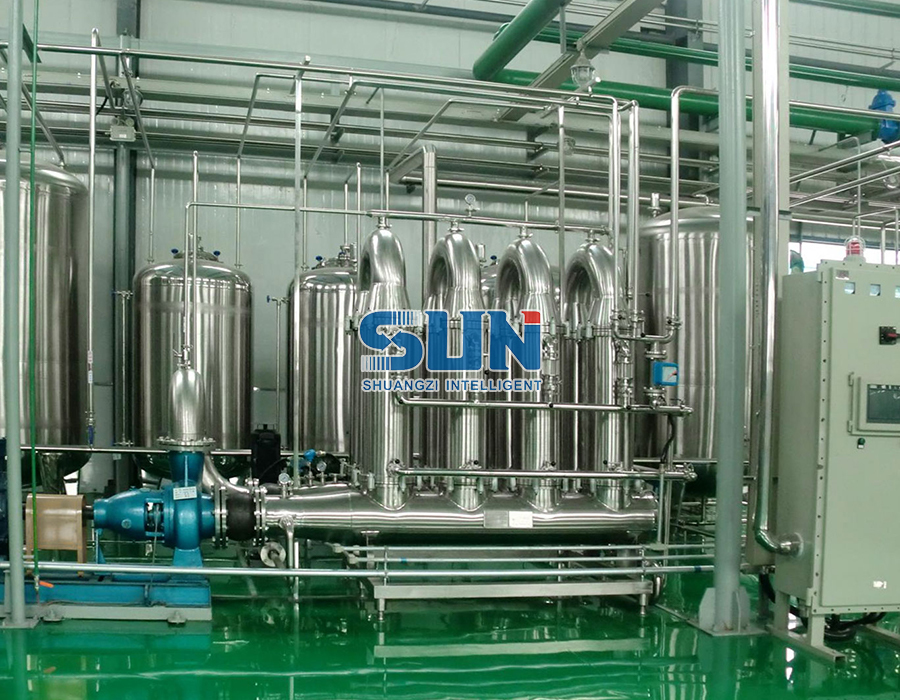
- Heat exchangers for feed preheating and energy recovery
- Vacuum pump or steam ejector for pressure reduction
- Condenser system for vapor condensation and reuse
- Concentrate discharge or crystallization unit
Industrial Applications of Combined Vacuum Flash Evaporation
Vacuum flash evaporator systems combined with auxiliary units are extensively applied across multiple industries. Their ability to handle complex wastewater streams and recover reusable water makes them suitable for operations with strict discharge regulations and high water consumption.
Chemical and Pharmaceutical Industries
In chemical and pharmaceutical manufacturing, wastewater often contains solvents, salts, and heat-sensitive compounds. A combined vacuum flash evaporator allows evaporation at low temperatures, preventing thermal degradation while achieving high concentration ratios. When paired with solvent recovery units, valuable materials can be reclaimed, reducing raw material costs.
Electroplating and Surface Treatment
Electroplating wastewater typically has high metal content and conductivity. A combined evaporation system concentrates metal salts efficiently, allowing for downstream crystallization or recycling. The distilled condensate often meets reuse standards for rinsing or cooling processes.
Food and Beverage Processing
Food industry effluents contain organic matter that can be sensitive to high heat. By combining a vacuum flash evaporator with anaerobic or membrane pre-treatment, organic loading is reduced before evaporation, minimizing fouling and extending equipment lifespan.
Energy Efficiency and Heat Integration Strategies
Energy consumption is a critical factor in evaporation systems. Combined vacuum flash evaporator setups focus heavily on heat integration. By using waste heat from production processes or recovered latent heat from vapor condensation, overall energy demand can be significantly reduced.
Common Heat Recovery Approaches
- Feed preheating using condenser heat
- Integration with mechanical vapor recompression (MVR)
- Utilization of low-grade industrial waste heat
Operational Parameters and Control Considerations
Stable operation of a combined vacuum flash evaporator depends on precise control of vacuum level, feed temperature, and flow rate. Automated control systems are often used to maintain consistent evaporation performance and prevent scaling or foaming.
Monitoring conductivity, temperature, and pressure allows operators to adjust parameters in real time. This proactive control approach improves product water quality and minimizes unplanned downtime.
Design Comparison of Standalone vs Combined Systems
| Aspect | Standalone Vacuum Flash Evaporator | Combined System |
| Energy Efficiency | Moderate | High with heat recovery |
| Application Scope | Limited | Broad industrial use |
| Operating Stability | Sensitive to fluctuations | More stable and controllable |
Maintenance and Long-Term Performance Optimization
Routine maintenance is essential for combined vacuum flash evaporator systems. Scaling, fouling, and corrosion are the most common challenges, especially when treating high TDS wastewater. Proper material selection and periodic cleaning schedules significantly extend system life.
Optimizing chemical dosing, maintaining stable vacuum conditions, and inspecting heat transfer surfaces help preserve evaporation efficiency over long-term operation. Data logging and trend analysis further support preventive maintenance strategies.
Practical Value in Zero Liquid Discharge Projects
In ZLD projects, the combination of a vacuum flash evaporator with pre-concentration and crystallization units is often a decisive factor for project success. This integrated approach minimizes wastewater discharge while maximizing water reuse and solid recovery.
Compared with alternative thermal evaporation technologies, combined vacuum flash evaporation offers a balance between capital investment, operating cost, and operational reliability. This makes it a practical choice for industries facing tightening environmental regulations and rising water costs.