
 英语
英语 俄语
俄语Content
- 1 Understanding the Role of a Distillation Column in Industrial Separation
- 2 Basic Operating Principle of a Distillation Column
- 3 Key Components of a Distillation Column
- 4 Tray Columns and Packed Columns: Practical Differences
- 5 Key Design Parameters in Distillation Column Design
- 6 Operational Control and Troubleshooting
- 7 Energy Efficiency and Optimization Strategies
- 8 Industrial Applications of Distillation Columns
- 9 Conclusion: Practical Value of Mastering Distillation Column Operation
Understanding the Role of a Distillation Column in Industrial Separation
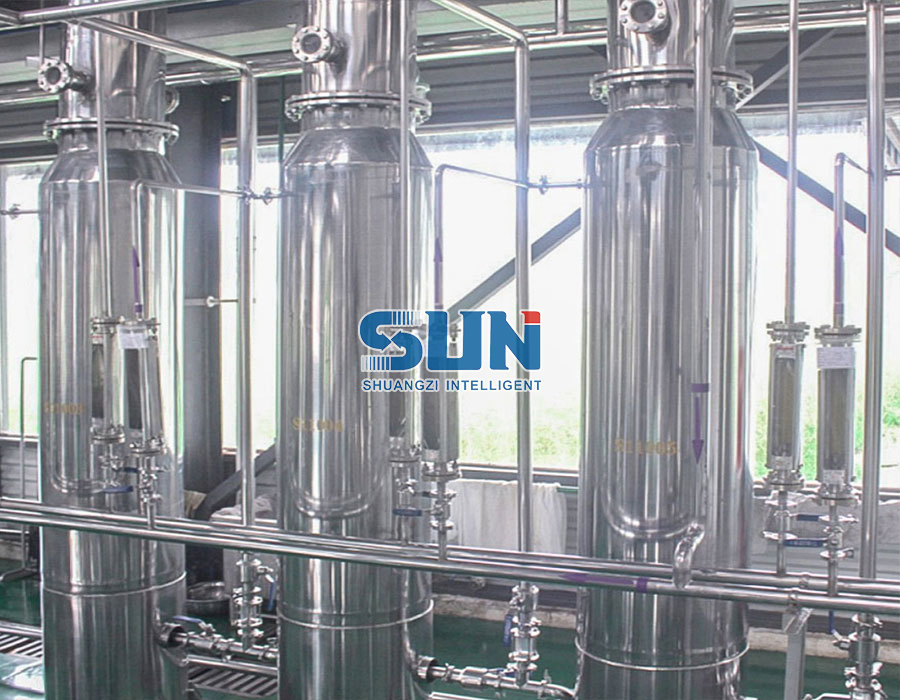
A distillation column is a core unit operation in chemical engineering, widely used for separating liquid mixtures based on differences in volatility. It is essential in industries such as petrochemical refining, pharmaceuticals, food processing, and specialty chemicals. By combining heat and mass transfer, the distillation column enables continuous and controlled separation of components, often achieving high purity products at large scales.
In practical terms, a distillation column works by vaporizing part of the liquid feed and allowing the vapor and liquid phases to interact repeatedly. More volatile components tend to move upward with the vapor, while less volatile components concentrate in the liquid flowing downward. Understanding this behavior is critical for designing, operating, and optimizing a reliable separation process.
Basic Operating Principle of a Distillation Column
The operating principle of a distillation column is based on vapor-liquid equilibrium. When a mixture is heated, components with lower boiling points vaporize more readily. Inside the column, rising vapor contacts descending liquid, allowing mass transfer between phases. Each contact stage brings the mixture closer to equilibrium, gradually improving separation.
Most industrial distillation columns operate continuously. A reboiler at the bottom provides the required heat, while a condenser at the top removes heat and condenses vapor back into liquid. Part of this condensed liquid is returned to the column as reflux, which enhances separation efficiency by increasing internal liquid flow.
Key Components of a Distillation Column
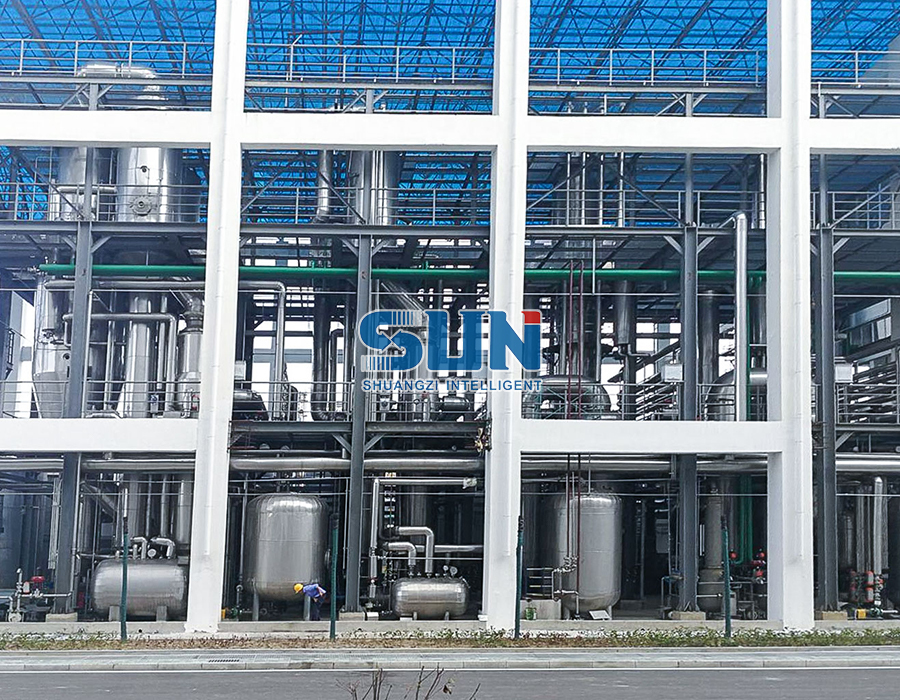
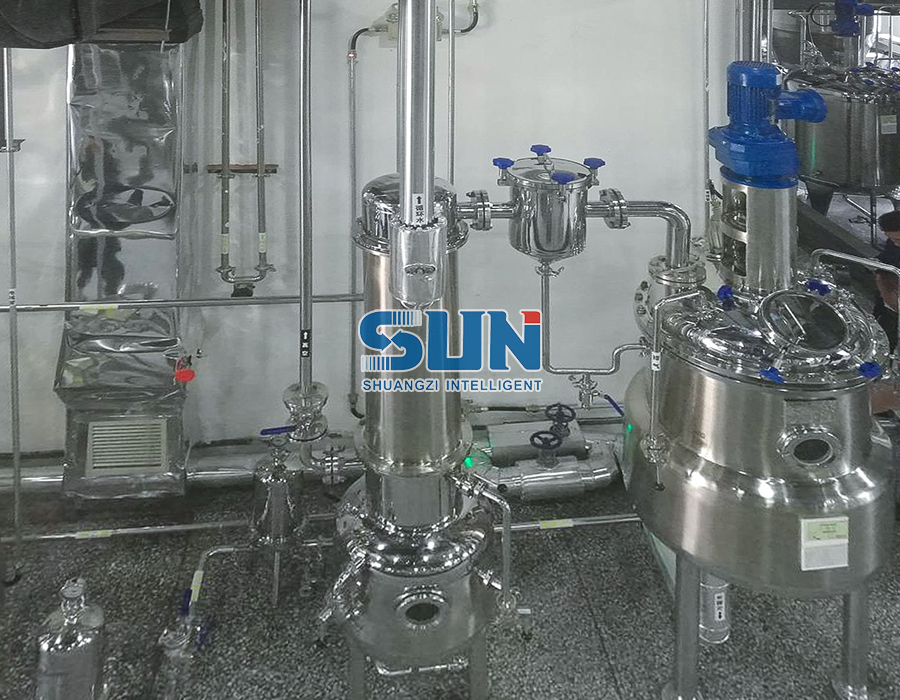
A well-designed distillation column consists of several integrated components, each with a specific function that supports efficient separation and stable operation.
- Column shell: The vertical vessel that contains the internal contacting devices and provides mechanical strength.
- Trays or packing: Internals that increase contact area between vapor and liquid phases.
- Reboiler: Supplies heat to generate vapor at the column bottom.
- Condenser: Removes heat from overhead vapor to produce liquid distillate.
- Reflux drum: Collects condensed liquid and splits it between reflux and product.
Each of these components must be properly sized and integrated to ensure stable pressure, temperature control, and efficient mass transfer.
Tray Columns and Packed Columns: Practical Differences
Distillation columns are generally classified as tray columns or packed columns. The choice depends on factors such as throughput, pressure drop, fouling tendency, and separation efficiency.
Tray Columns
Tray columns use horizontal trays to create discrete stages of contact between vapor and liquid. Common tray types include sieve trays, valve trays, and bubble cap trays. Tray columns are robust and easier to inspect and maintain, making them suitable for large-diameter columns and high liquid flow rates.
Packed Columns
Packed columns contain random or structured packing that provides a large surface area for mass transfer. They typically have lower pressure drop than tray columns, which makes them ideal for vacuum distillation and heat-sensitive materials. However, they may be more sensitive to fouling and liquid maldistribution.
| Aspect | Tray Column | Packed Column |
| Pressure drop | Higher | Lower |
| Maintenance | Easier | More complex |
| Capacity | High | Moderate |
Key Design Parameters in Distillation Column Design
Designing a distillation column requires careful consideration of several parameters that directly affect separation performance and energy consumption. These parameters are typically determined through process simulation and pilot data.
Important design variables include the number of theoretical stages, reflux ratio, column diameter, and operating pressure. Increasing the reflux ratio generally improves separation but increases energy use. Similarly, adding more stages improves purity but raises capital cost.
Balancing these trade-offs is a practical challenge, and optimization often focuses on minimizing total annual cost while meeting product specifications.
Operational Control and Troubleshooting
Stable operation of a distillation column depends on effective control of temperature, pressure, reflux flow, and feed conditions. Small disturbances can propagate through the column, affecting product quality and energy efficiency.
Common operational problems include flooding, weeping, entrainment, and foaming. Flooding occurs when vapor flow is too high, preventing liquid from flowing downward. Weeping happens at low vapor rates, reducing tray efficiency. Recognizing these symptoms early allows operators to adjust operating conditions before product quality is compromised.
Energy Efficiency and Optimization Strategies
Distillation is one of the most energy-intensive separation processes, making energy optimization a major focus in modern plants. Improving heat integration between the reboiler and condenser can significantly reduce utility consumption.
Advanced strategies include using heat pumps, dividing-wall columns, and optimized reflux control. These approaches can lower operating costs while maintaining or even improving separation efficiency. Regular performance monitoring and maintenance also play a key role in sustaining long-term efficiency.
Industrial Applications of Distillation Columns
Distillation columns are used across a wide range of industries. In oil refineries, fractional distillation separates crude oil into fuels and chemical feedstocks. In chemical manufacturing, distillation is used to purify solvents and intermediates. The food and beverage industry relies on distillation for alcohol production and flavor extraction.
Each application imposes specific requirements on column design and operation, but the underlying principles remain consistent. A strong practical understanding of distillation columns allows engineers and operators to adapt the technology to diverse separation challenges.
Conclusion: Practical Value of Mastering Distillation Column Operation
A distillation column is more than a theoretical concept; it is a practical and indispensable tool in industrial separation. By understanding its components, operating principles, and design trade-offs, professionals can improve reliability, reduce energy consumption, and achieve consistent product quality.
Focusing on real operating conditions, maintenance practices, and optimization strategies ensures that distillation columns continue to deliver value in modern process industries. This practical knowledge forms the foundation for safe, efficient, and economically viable separation processes.