
 英语
英语 俄语
俄语Content
- 1 Qualification, Validation and the Rules Behind Both
- 2 The Four Qualification Stages and What Each One Proves
- 3 What a Supplier Should Hand Over With the Machine
- 4 Risk Assessment Decides How Much Testing Is Enough
- 5 Critical Parameters That Decide Pass or Fail
- 6 Scope: Single Unit, Skid or Complete Line
- 7 Pilot Scale and the Scale-Up Bridge
- 8 Where Validation Projects Slip
- 9 A Realistic Sequence for a Botanical or Fermentation Line
A three-ton extraction line is unloaded on a Tuesday, piping is finished in two weeks, and then the commissioning engineer asks for the qualification package. There is no user requirement specification with measurable acceptance criteria, no design qualification review record, and the calibration certificates for the jacket temperature sensors cover 0–150 °C while the process runs at 45 °C under vacuum. The equipment works. The project still stops.
Equipment validation is a chain of documented decisions that starts before the purchase order and ends only when the machine is retired. Get the sequence right, and qualification becomes a routine of reviews and tests. Get it wrong, and the same work is repeated three times at three times the cost while production waits. What follows is written from the equipment-building side of that table, because that is where most of the delay usually originates.
Qualification, Validation and the Rules Behind Both
Two terms get used interchangeably on site, and the difference matters when an auditor opens the file. Qualification applies to equipment: documented evidence that a machine is correctly designed, correctly installed, operates as intended, and performs consistently. Validation applies to the process the equipment supports: documented evidence that the process reproducibly yields material meeting its specifications. Equipment validation is the umbrella covering both, and in regulated plants the hardware half is usually the easier half to prove.
The expectations are not vague. In the United States, 21 CFR 211.63 requires equipment to be of appropriate design, size and location for its intended use, while 211.67 covers cleaning and maintenance. EU GMP Annex 15 describes the qualification and validation lifecycle and ties the depth of testing to risk assessment. Where a PLC or SCADA system holds batch records, data integrity expectations also apply to audit trails, user access levels and electronic signatures.
The practical consequence is simple: the validation scope belongs in the purchase specification. Once the machine is standing inside your cleanroom, neither side has much leverage left.
The Four Qualification Stages and What Each One Proves
Four stages are standard, and each answers a different question. Skipping one, or repeating it under a new name, is the most common reason a qualification package is rejected during review.
| Stage | Question answered | Typical evidence | Signed by |
|---|---|---|---|
| DQ | Is the design suitable for the product, capacity and cleaning regime? | URS, P&ID, material certificates, risk assessment, vendor design review | QA and engineering |
| IQ | Was it built, delivered and installed exactly as designed? | As-built drawings, weld and surface records, calibration certificates, utility connections | Engineering and QA |
| OQ | Does it operate within defined ranges under controlled conditions? | Challenge tests at upper and lower limits, alarm and interlock checks, cleaning cycle verification | Process and QA |
| PQ | Does it perform consistently in routine production? | Consecutive production batches, in-process and finished product results, deviation log | QA and production |
Requalification is not a calendar exercise alone. Typical triggers include a new product or solvent in the same vessel, relocation of a skid, replacement of a control board or heat exchanger, repairs that touch product contact surfaces, and any calibration drift trend suggesting an instrument is no longer reliable.
What a Supplier Should Hand Over With the Machine
Ask for the documentation list before you sign, because these deliverables will follow you for the next decade. A supplier building for regulated industries should be able to provide:
- A user requirement specification with measurable acceptance criteria, for example ±1 °C jacket temperature control, ≤3 % final moisture, or ≥98 % solvent recovery.
- A design qualification report referencing that specification, including P&ID, instrument list and materials of construction — where SUS304 is acceptable and where product contact demands SUS316L.
- Material certificates to EN 10204 3.1 plus weld documentation; hygienic lines commonly specify internal surface roughness in the 0.4–0.8 µm range and full penetration welds.
- Calibration certificates traceable to national standards, with instrument ranges that actually cover the operating window rather than only the display range.
- A factory acceptance test protocol and signed report, followed by a site acceptance test that repeats only what plant conditions can change.
- Control system documentation: software and firmware versions, backup and restore procedure, audit trail configuration and user roles.
- Cleaning support data: spray ball coverage drawings, CIP flow and pressure requirements, and coupon test points.
- A maintenance and spare parts list with recommended calibration and requalification intervals.
Risk Assessment Decides How Much Testing Is Enough
ICH Q9 and Annex 15 point in the same direction: risk assessment determines how much testing is proportionate. A short, honest failure mode and effects analysis on the equipment separates critical from non-critical parameters faster than any template.
Two techniques keep the workload realistic. Bracketing treats a family of similar items — five identical fermentation tanks, or a range of vessel sizes sharing the same agitator geometry — as one validation subject, with a full protocol for one unit and abbreviated verification for the rest. Worst-case testing pushes the extremes that matter: maximum batch volume, minimum agitation speed, most viscous product, dirtiest cleaning load. What counts is that the rationale for anything excluded is written down. Auditors accept a justified exclusion far more readily than an unexplained gap.
Critical Parameters That Decide Pass or Fail
Protocols fail most often on parameters written in qualitative language. "Adequate vacuum", "gentle drying" or "good separation" cannot be tested. Convert them into numbers with tolerances and state how each one will be measured.
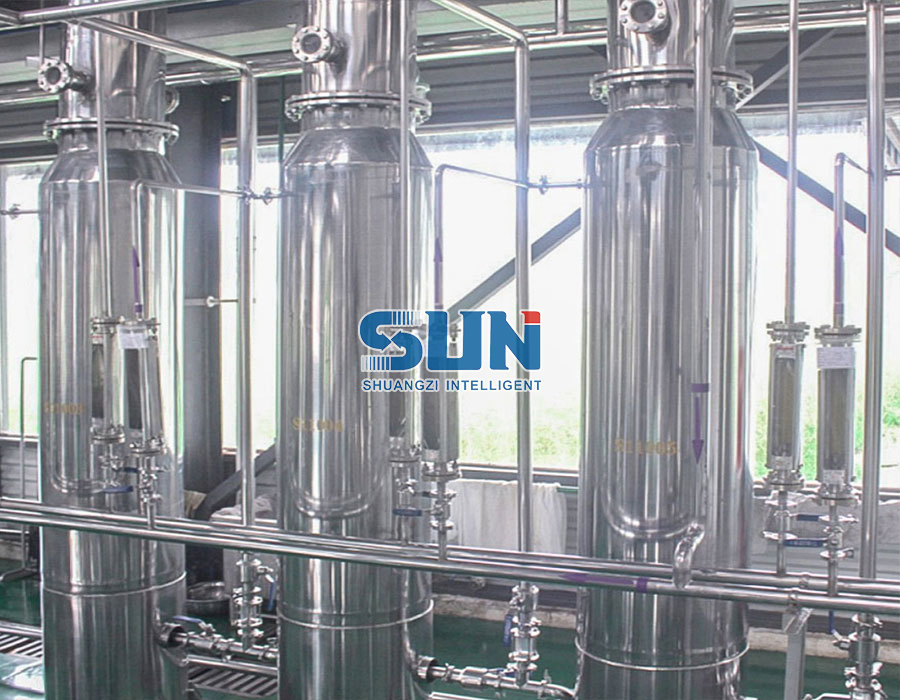
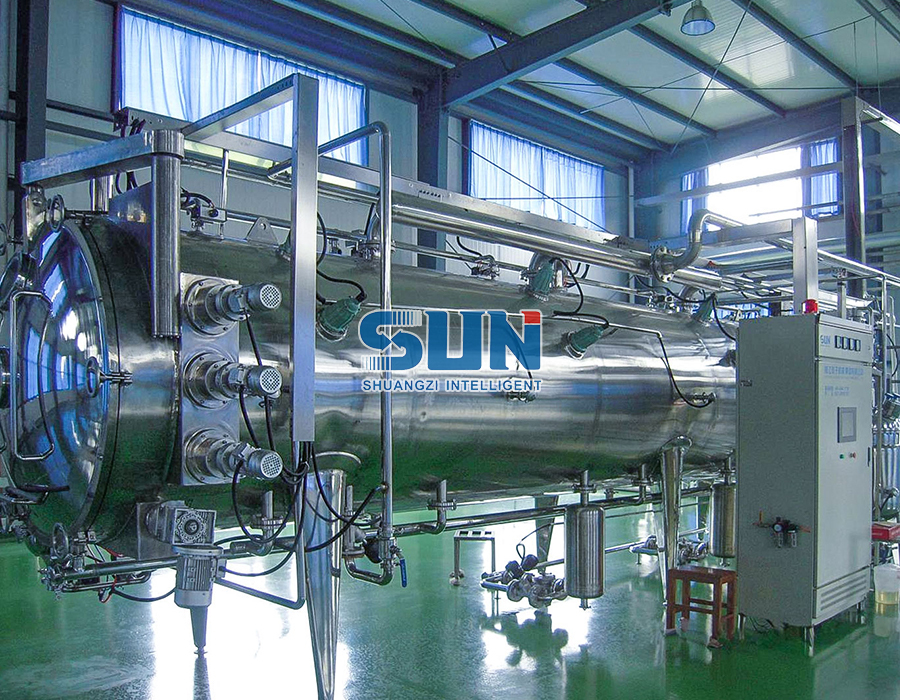
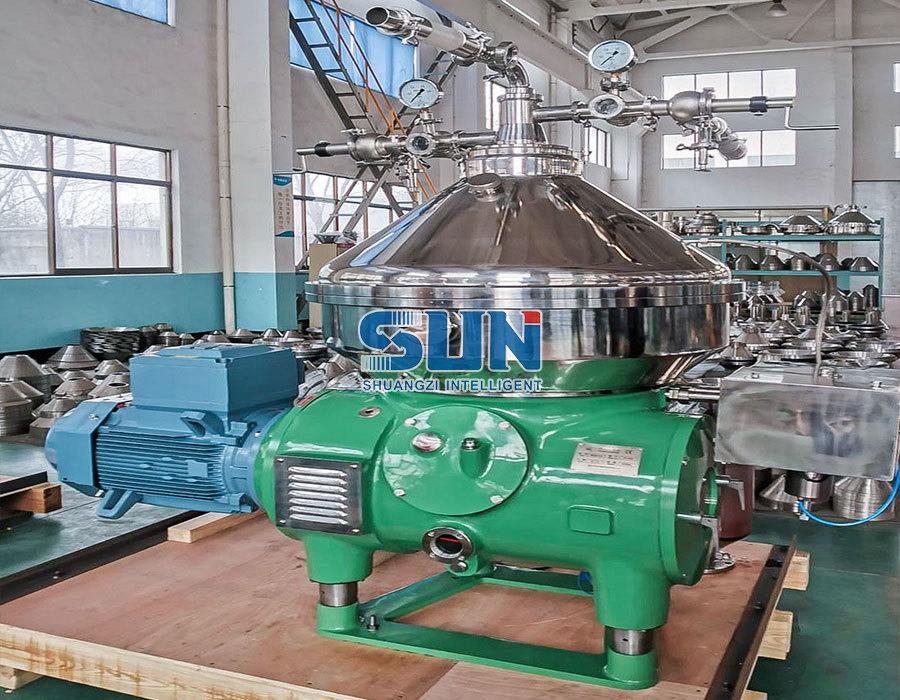
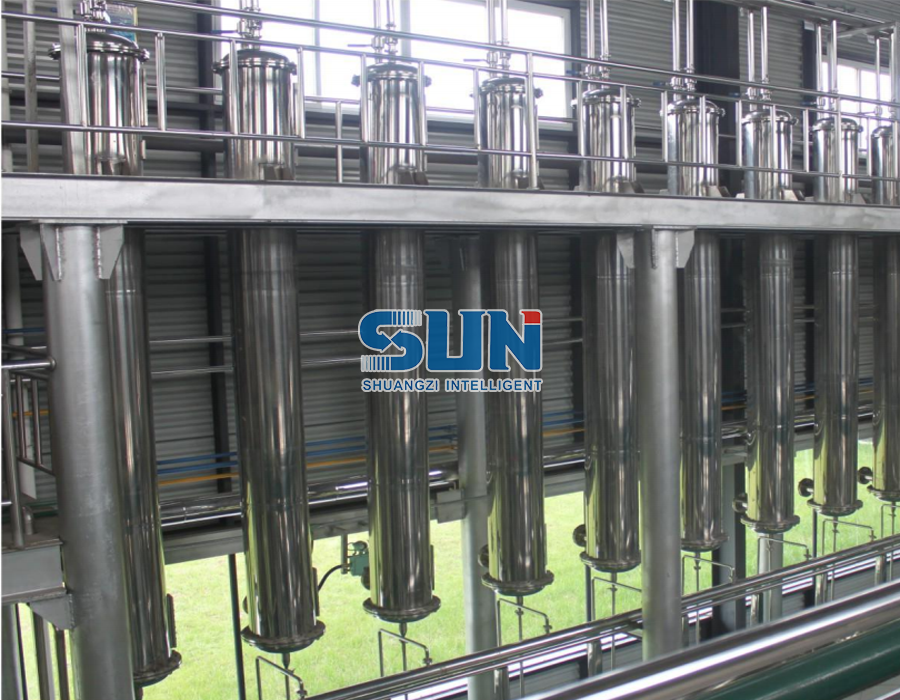
Common candidates on extraction and purification lines include jacket or steam temperature stability under full load, vacuum level relative to the boiling point of the solvent, residence time in a falling film evaporator, vapour-liquid separation quality, separation efficiency of a disc stack centrifuge, solvent recovery ratio, and moisture uniformity across a belt dryer. On drying steps, uniformity usually matters more than the mean — a batch averaging 2.9 % moisture with a spread of plus or minus 1.5 % will fail a content uniformity requirement even though the average looks acceptable.
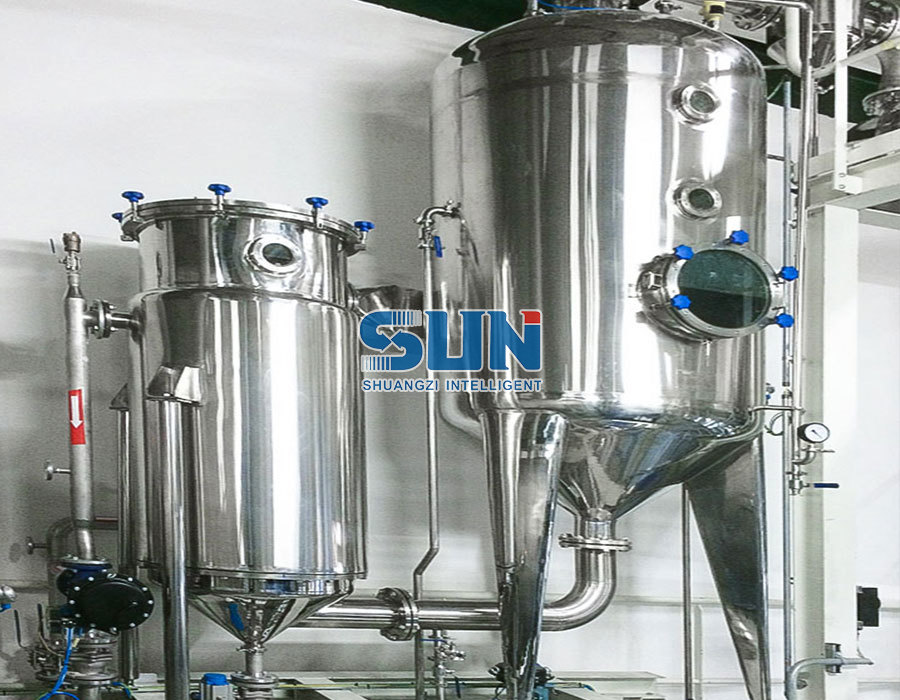
Capacity claims deserve the same treatment. An MVR evaporator rated at a specific evaporation rate on clean water behaves differently once the feed begins to foul heat transfer surfaces, so the protocol should define the fouling condition and the cleaning interval at which that rate is guaranteed.
 MVR EvaporatorMVR evaporator description: The MVR evaporator( Mechanical Vapor Recompression) is an energy-saving device that reuses the energy of the secondary steam generated by i...View Product →
Scope: Single Unit, Skid or Complete Line
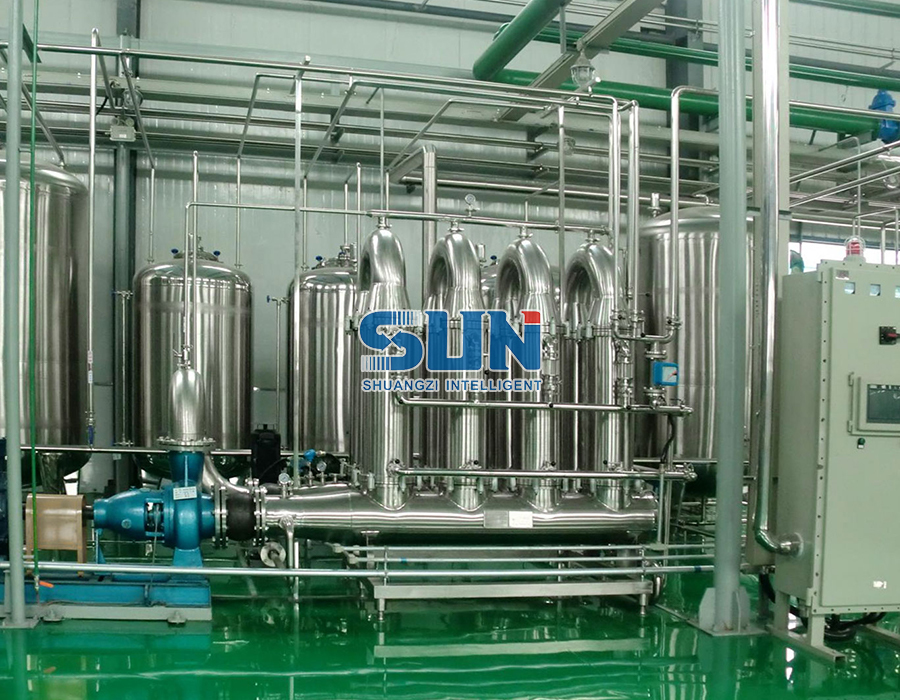
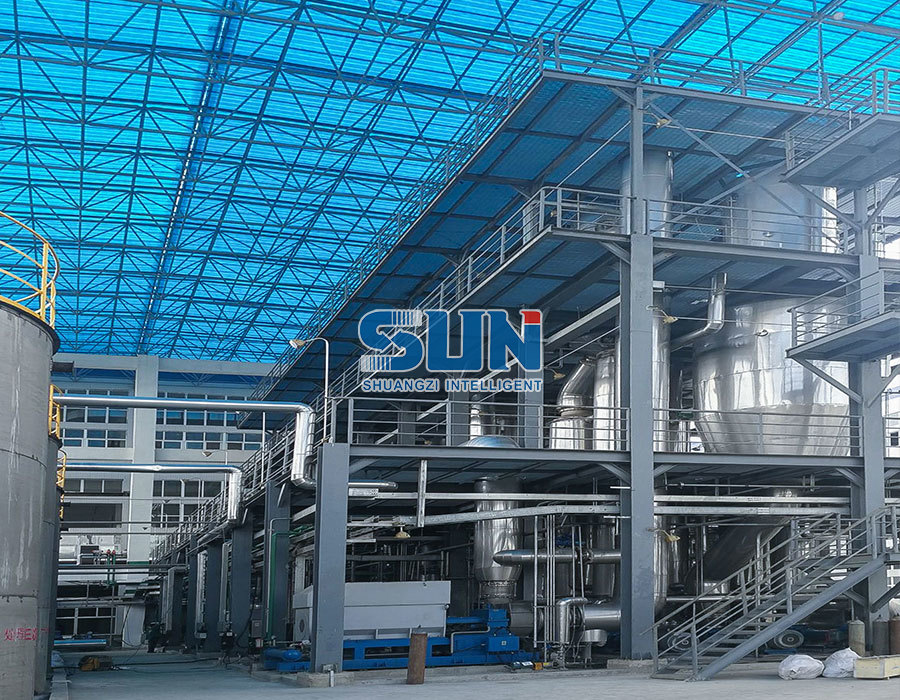
Scope discipline saves more validation time than any software tool. Three levels are common: a single unit, a process skid with its pumps, heat exchangers and local controls, or a complete line where one supplier carries engineering, equipment manufacture, procurement, installation and commissioning. A line with a single responsible party is easier to qualify, because utilities, control handshakes and guaranteed working ranges sit inside one contract instead of being split across four vendors.
When scope, interfaces and acceptance criteria are settled this way from the start, qualification work becomes largely a matter of verifying what was already agreed — a point worth reviewing before tendering, as outlined in this guide to turnkey projects equipment and what industrial buyers need to know.
 Plant Extraction Equipment Manufacturers3T Pectin Extraction Product Line Equipment Turnkey ProjectView Product →
Pilot Scale and the Scale-Up Bridge
Scale-up evidence ages faster than any other part of the validation file. A process developed in a 50 L vessel rarely transfers to a 3,000 L production line without surprises in mixing, heat transfer or residence time distribution. Establishing the design space at pilot scale, then confirming it at production scale during performance qualification, is the sequence that keeps those surprises out of the batch record.
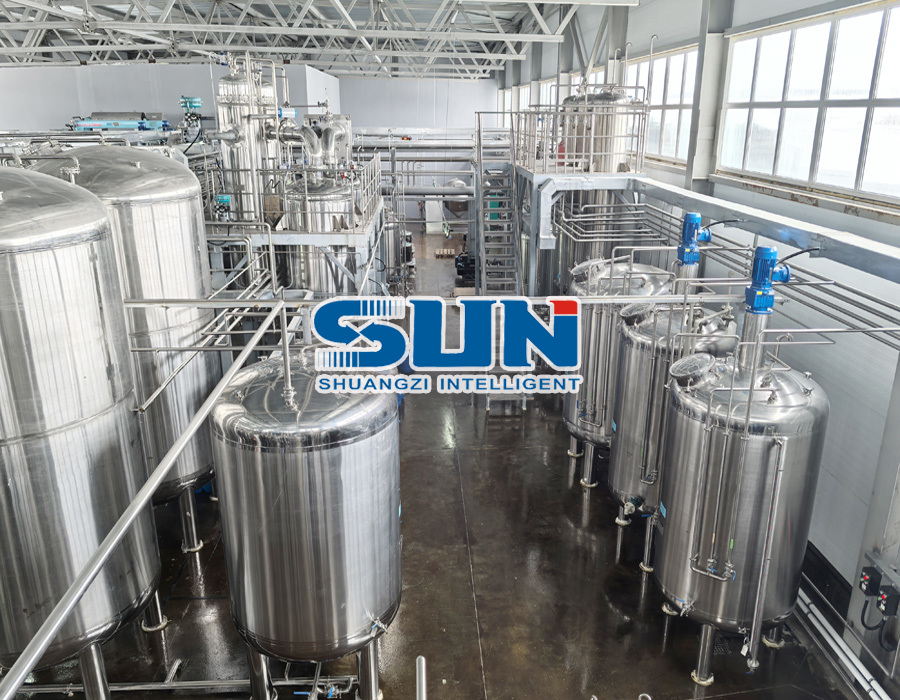
This is why a pilot workshop and an automated GMP-oriented platform line covering extraction, evaporation, precipitation and separation, fermentation and vacuum low-temperature drying are worth insisting on before an order is placed. Trials then run on the same equipment family that will later be installed, and the operating ranges written into the OQ and PQ protocols have measured data behind them rather than extrapolation.
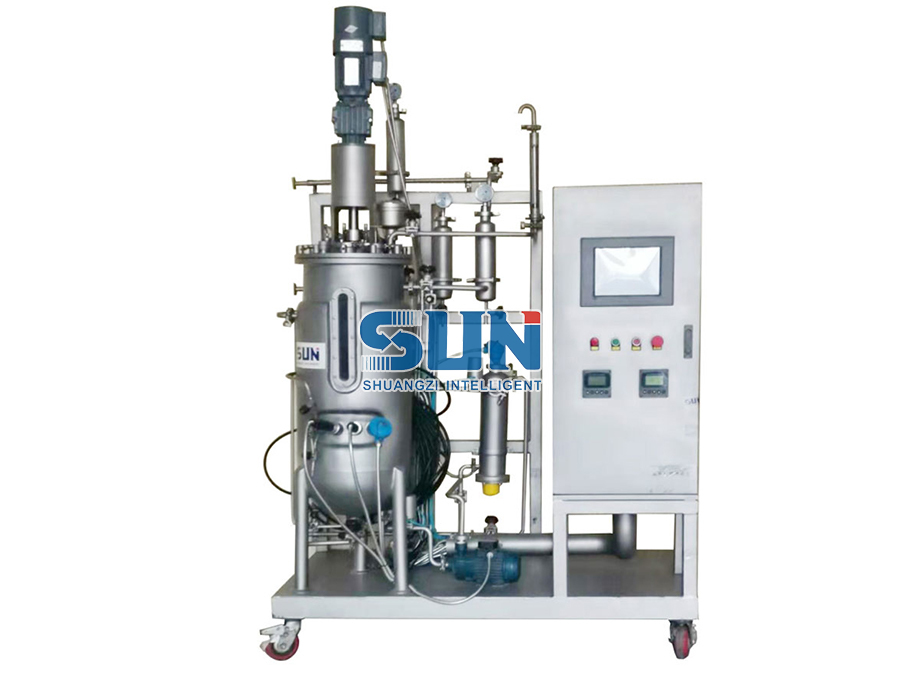 Pilot Scale Mechanical Agitated Stainless Steel Fermenter Lab Microbial Culture FermentatiProduct description:View Product →
Delivered lines tend to follow the same pattern. On the Taxus chinensis extraction line built for a customer in Belgium to extract taxol, the process window established before shipment is what the performance qualification protocol later verifies at the customer site.
Where Validation Projects Slip
Most overruns follow a short list of avoidable causes:
- The user requirement specification is written after the purchase order, so acceptance criteria are reverse-engineered from whatever was delivered.
- Material substitution happens quietly — SUS304 supplied where SUS316L was specified for product contact.
- Instrument ranges do not cover actual operating extremes, invalidating calibration records.
- The factory acceptance test is run with ideal feedstock and ideal utilities, so it proves the machine only under laboratory conditions.
- Capacity is demonstrated on water or solvent rather than the real extract, broth or slurry.
- Deviations are logged during testing but never formally closed out.
- Documentation arrives in one language while the operators who must follow it read another.
- CIP coverage is assumed from drawings instead of being verified with conductivity, temperature and riboflavin or coupon testing.
- Calibration certificates expire before performance qualification even begins.
A Realistic Sequence for a Botanical or Fermentation Line
Timelines differ by project size, but the order rarely should:
- Write the user requirement specification and run the risk assessment — four to six weeks, before any order is placed.
- Review and approve the design qualification against that specification, before manufacturing release.
- Perform the factory acceptance test at the supplier's works, using representative feedstock wherever possible.
- Complete delivery, installation and IQ, including as-built verification and calibration checks.
- Run OQ by challenging limits, alarms, interlocks and the cleaning cycle.
- Run PQ on consecutive production batches under routine conditions, with the deviation log closed.
- Schedule periodic review and requalification, or trigger it through change control when something meaningful changes.
The line that passes validation without drama is not the one with the thickest binder. It is the one whose specification, drawings and test records stayed consistent from the first design review to the last batch record. If you are planning extraction, evaporation, separation, fermentation or drying equipment, ask which qualification documents are included before you compare prices — the answer usually explains a good part of the gap between two quotations.