
 英语
英语 俄语
俄语Content
Why Conventional Evaporators Fail Plant Extract Processing
Flavonoids begin degrading above 60°C. Alkaloids lose potency. Essential oils simply evaporate. For engineers and procurement managers sourcing concentration equipment for plant extract lines, this thermal fragility is the central problem—and most standard evaporators were never designed to solve it.
Falling film and forced circulation evaporators handle water-like liquids well. But plant extracts are rarely water-like. As concentration increases, viscosity climbs, materials stick to heating surfaces, and bioactive compounds cook against hot walls. The result: coking, downtime, and a product that no longer performs as intended.
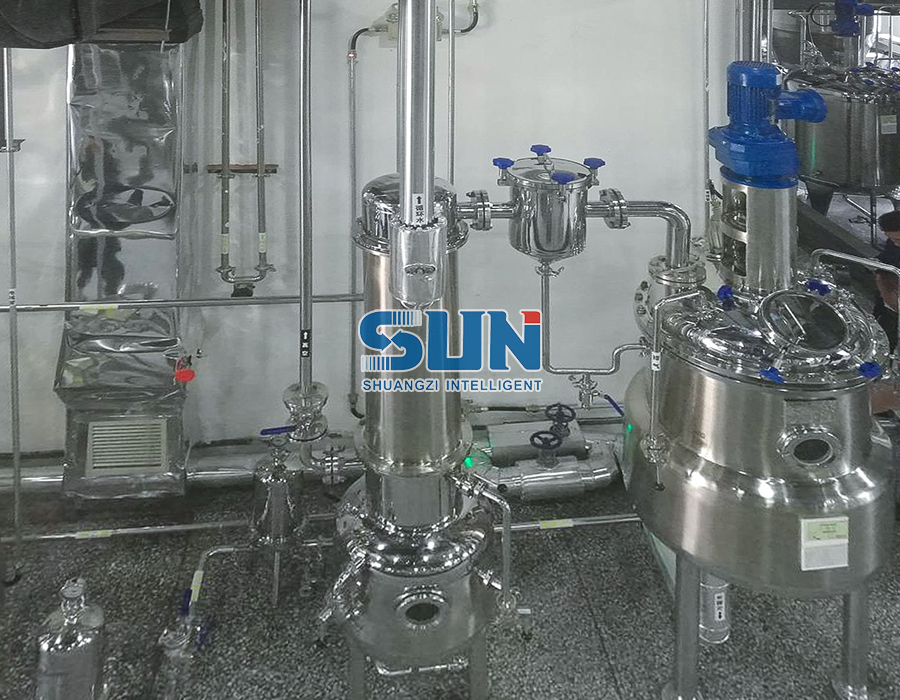
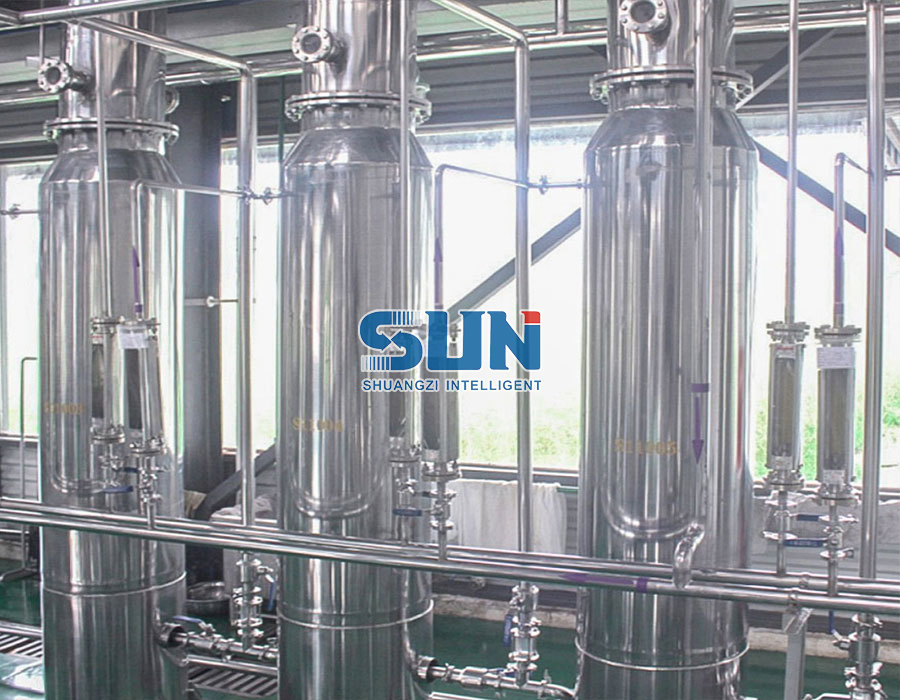
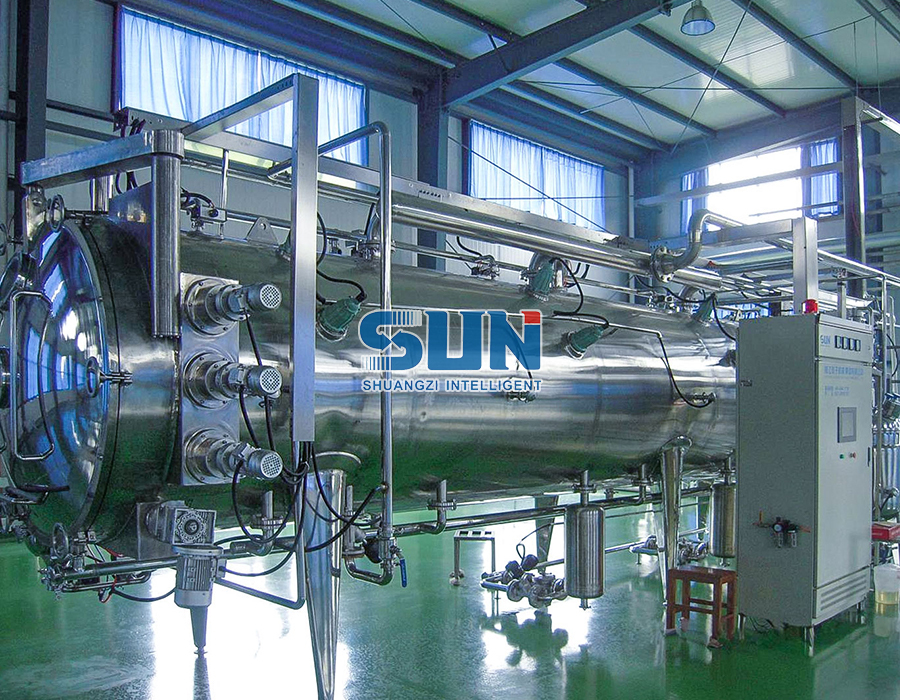
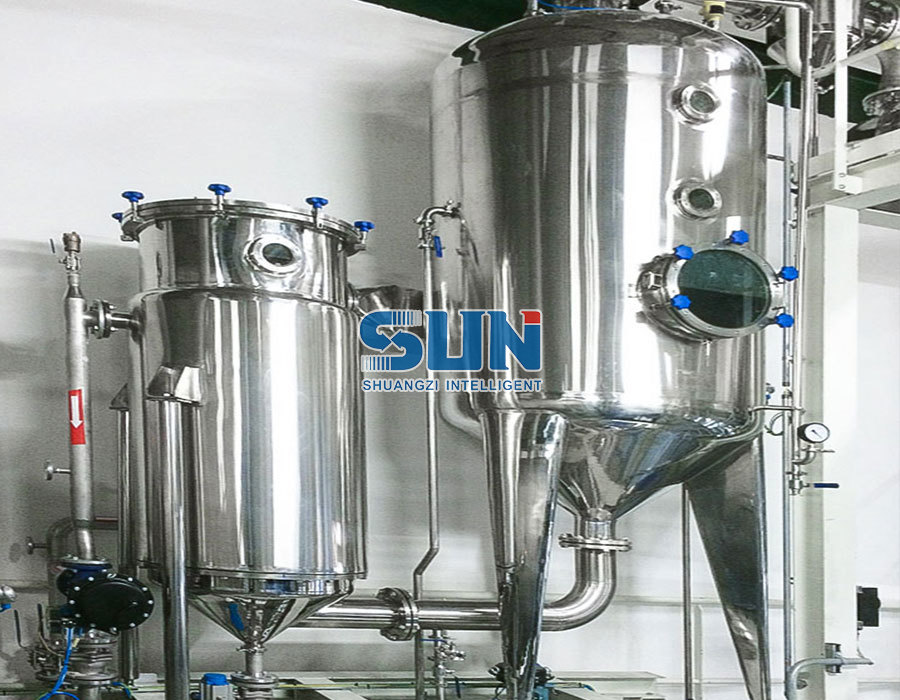
The vacuum scraper evaporator for plant extract is purpose-built for exactly this scenario.
How It Actually Works: Three Mechanisms in Combination
The equipment combines three functions that work together rather than independently.
Vacuum low-temperature evaporation. Under a vacuum of around 0.01 MPa, water-based extracts boil near 40°C rather than 100°C. This alone keeps the material below the threshold where most heat-sensitive compounds begin breaking down, which peer-reviewed research on polyphenol thermal stability consistently places in the 60–80°C range for flavonoids and phenolic acids.
Forced thin-film formation via rotating scrapers. Feed liquid enters the top of the heating cylinder. High-speed rotating scraper blades—typically PTFE or food-grade stainless steel—force the material into a uniform film of 0.5–1 mm against the inner wall. This film moves continuously, maximizing heat transfer while minimizing residence time. No stagnation zones, no local overheating.
Integrated solvent recovery. Vapor generated during evaporation flows to a condenser for recovery. For ethanol-based extraction lines, this is not optional—it directly affects operating cost and regulatory compliance. The closed-loop design keeps solvent loss minimal.
The Four Problems It Eliminates
Switching from a conventional evaporator to a scraper-type system addresses specific operational failures, not just theoretical advantages.
Wall sticking and coking. The scrapers continuously wipe the heating surface, physically preventing buildup. Manufacturers operating high-sugar extracts like stevia or honey-based concentrates report zero coking incidents after switching—compared with 2–3 hours of daily cleaning downtime on falling film units.
Crystallization fouling. Sugar-rich and polysaccharide-heavy extracts tend to crystallize on hot surfaces under conventional systems. The mechanical disruption from the scrapers breaks crystal nucleation before it can accumulate.
Uneven heat distribution. Thick or broken films in conventional equipment create hot spots. The forced thin film achieves a heat transfer coefficient (U-value) of 1,200–1,500 W/m²·K—roughly 30% higher than falling film performance on viscous materials.
Bioactive compound degradation. Low operating temperatures and short contact time are the two levers that protect active ingredients. The scraper evaporator addresses both simultaneously, which is why it has become standard in plant extraction concentration lines handling pharmaceutical-grade materials.
When to Choose a Scraper Evaporator—and When Not To
This equipment is not the right choice for every application. A clear decision framework saves both time and budget.
Choose a scraper evaporator when: your material has a viscosity above 5,000 cP at process concentration; it contains high sugar or polysaccharide content prone to crystallization; the target compounds are heat-sensitive (flavonoids, terpenes, alkaloids, essential oils); or GMP compliance and CIP-ability are required. Common applications include ginseng, stevia, green tea, rosemary, curcumin, and most TCM herbal extracts.
Consider alternatives when: your material is low-viscosity and thermally stable. For those cases, a double-effect external circulation evaporator delivers higher throughput at lower capital cost. Multi-effect falling film systems are also more energy-efficient for simple aqueous concentration at scale.
The deciding factor is almost always material behavior at high concentration—not at the feed stage. Test your extract at target Brix or dry matter content before committing to an evaporator type.
Specifications That Matter for Procurement
For engineering teams comparing equipment, the following parameters are most relevant to plant extract applications specifically.
| Model Volume | Evaporation Capacity (kg/h) | Heating Area (m²) | Motor Power (kW) |
|---|---|---|---|
| 100L | 60 | 0.7 | 0.75 |
| 300L | 100 | 1.2 | 1.5 |
| 500L | 120 | 1.5 | 1.5 |
| 1000L | 200 | 2.5 | 3.0 |
| 2000L | 280 | 3.5 | 4.0 |
All models operate at a standard steam pressure of 0.25 MPa and a consistent scraper speed of 32 RPM—parameters that simplify utility planning and scale-up decisions. Scraper material (PTFE vs. stainless steel) should be specified based on solvent type and required chemical resistance.
For GMP-certified pharmaceutical or nutraceutical lines, confirm CE and FDA compliance at the equipment level, not just at the facility level. Material traceability documentation for all product-contact surfaces is standard practice for regulated environments.
Integration Into a Complete Extraction Line
The scraper evaporator occupies the concentration step—after extraction and primary filtration, before drying. Understanding where it fits prevents bottlenecks upstream and downstream.
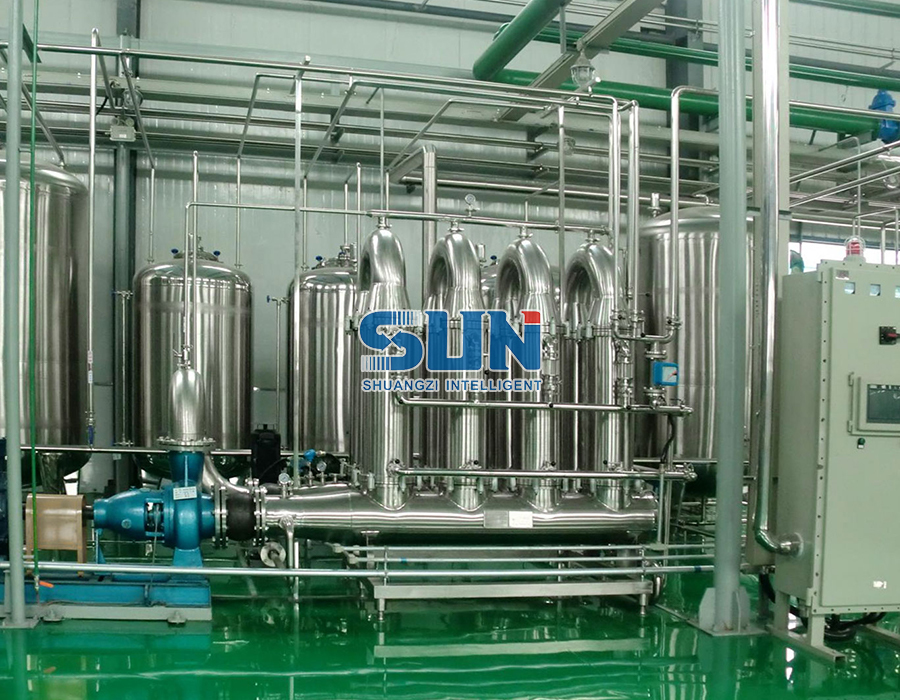
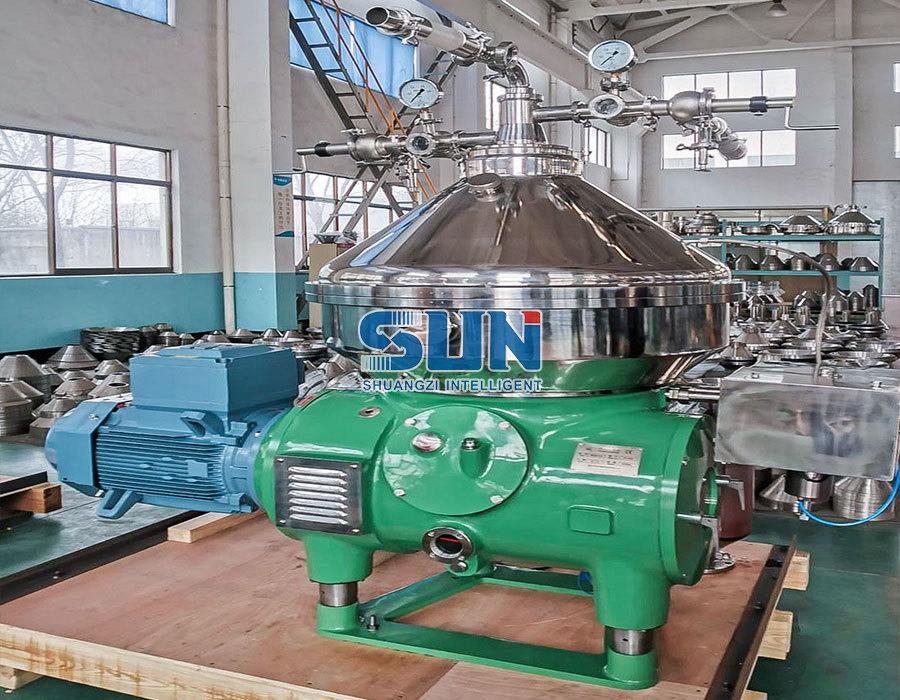
On the feed side, the evaporator handles materials coming from a plant extraction project that may include multifunctional extraction tanks, membrane filtration, or centrifugation. Pre-filtering to remove large particulates protects the scraper blades and extends maintenance intervals.
On the output side, concentrated extract typically moves to a spray dryer, vacuum belt dryer, or freeze dryer depending on final product form. The moisture content leaving the evaporator directly determines dryer sizing—coordinate this specification before equipment selection. Downstream drying equipment selection should always be done in parallel with evaporator sizing, not after.
Scraper evaporators can be deployed as standalone units for batch processing or connected in parallel for continuous production. For operations scaling from pilot to commercial volume, modular configurations allow incremental capacity addition without system replacement.